
Reviewed · FARO TOURS
Cork Factory Tour & Cork Shop
Cork is more than a bottle stopper. This short Faro-area visit shows how oak bark becomes wine closures, household items, and useful gifts. I like the clear factory demonstrations and the chance to ask questions directly. The main drawback is that you see processing, not cork harvesting in the forest.
The tour costs about $21.17 and lasts roughly 70 minutes, so it fits neatly into a busy Algarve day. I also like that the small shop sells quality cork goods, but you should know the factory has no public transportation connection and hotel pickup is not included.
In This Review
- Key points to know before you go
- Why cork makes a worthwhile Faro side trip
- Getting to Eco-Cork Factory at 11:30 a.m.
- Starting with the story of cork oak bark
- Inside the factory: cutting, sorting, and grading
- Water vats and the treatment of cork
- The many uses of cork
- Finishing at the Cork Shop
- Is $21.17 good value for 70 minutes?
- Who will enjoy this factory visit most?
- What to bring and how to prepare
- Should you book the Cork Factory Tour?
- FAQ
- Where does the Cork Factory Tour start?
- What time does the tour begin?
- How long does the experience last?
- Is hotel pickup included?
- Is public transportation available to the factory?
- Is the tour offered in English?
- What is included in the tour?
- Can children and service animals take part?
Key points to know before you go
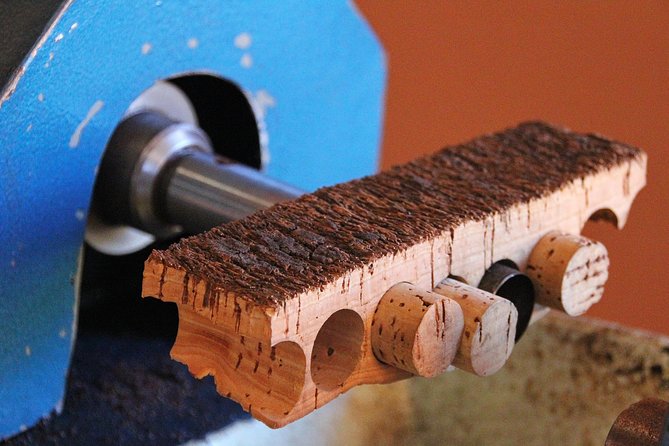
- See cork being cut and graded: Staff demonstrate how large and small pieces of bark are assessed and prepared.
- Learn the full process: The tour explains harvesting, boiling, flattening, grading, and the many uses of cork.
- Expect a hands-on moment: Some visitors get to try cutting cork under staff guidance.
- Ask questions freely: Guides explain the work in plain English and leave time for questions.
- Shop for practical souvenirs: The on-site Cork Shop carries small cork gifts and other products.
- Plan your transport: The tour starts at Eco-Cork Factory at 11:30 a.m. and ends there, with no hotel transfer included.
Why cork makes a worthwhile Faro side trip
Many Algarve visitors focus on beaches, old towns, and seafood. This tour gives you a look at a major Portuguese natural product instead. It is a practical stop, not a grand attraction, but that is part of its appeal. You see a working cork operation and learn why the material turns up in far more places than wine bottles.
I like the way the visit connects the tree to the finished product. You hear about the bark being removed, then see pieces sorted, trimmed, treated, and prepared for sale. The factory setting helps you understand the labor involved. Cork may look simple on a shop shelf, but preparing it takes careful cutting, grading, and handling.
The strongest part is the human explanation. Guides speak English and explain the process step by step. Elena, one guide praised for her clear and friendly presentation, is especially good at making technical points easy to follow. Another staff member demonstrates cutting and grading, and may show impressive knife-sharpening skills while working.
The visit is also useful for families. It is short enough for children, includes a chance to handle or cut cork, and has an easy visual lesson built into it. Child seats are available if requested at booking. Most people can take part, and service animals are allowed.
A few more reviews worth comparing before you book
- 4 Stops | 3 Islands & Ria Formosa Natural Park – From Faro
★ 5.0 · 3,080 reviews - From Faro: Benagil Cave, Marinha Beach, Algar Seco & More
★ 4.7 · 2,027 reviews - Ria Formosa – Boat trip to the 3 Islands: Armona | Culatra Island | Lighthouse
★ 5.0 · 1,872 reviews
Getting to Eco-Cork Factory at 11:30 a.m.
The meeting point is Eco-Cork Factory, also shown as Eco-Fábrica de Cortiça, at Francisco Carrusca, Sítio da Mesquita Baixa, 8150-048, Portugal. The experience begins at 11:30 a.m. and returns to the same location when the visit ends.
This location is the main practical issue. There is no public transportation to the factory, and hotel pickup and drop-off are not included. You need to arrange your own transport and allow enough time to reach the meeting point. If you are staying in Faro or elsewhere in the Algarve, check the route before booking rather than treating this as a walk-up city activity.
The group can include up to 30 people. That is a reasonable size for a factory visit, though a full group may make it harder to hear during the spoken presentation. One complaint concerned a large group and the lack of a microphone. Rain can also be very loud inside the building, which may affect how well you hear the guide.
Confirmation arrives when you book, and the ticket is mobile, so you do not need a printed voucher. The activity is offered in English.
Starting with the story of cork oak bark
The visit begins with an explanation of where cork comes from and how it is harvested. This is an important part of the tour because many people arrive knowing only that cork grows on trees. You learn about the bark, the markings used on trees, and the care involved in removing it.
The factory tour does not take you into a cork field. That limitation is worth noting. If you want to see bark being removed from a living tree, you need a separate cork farm experience. Here, the emphasis is on what happens after the bark reaches the factory.
The introduction may include a short video, followed by a spoken explanation from the guide. This format gives you the basic picture before you walk around the premises. The video is helpful, but the live explanations and demonstrations are where the visit becomes most useful.
You also hear about the role cork plays in Portugal’s economy and why it is treated as an important natural resource. The guide explains that the product has many uses and that the process is much more labor-intensive than it first appears.
Inside the factory: cutting, sorting, and grading
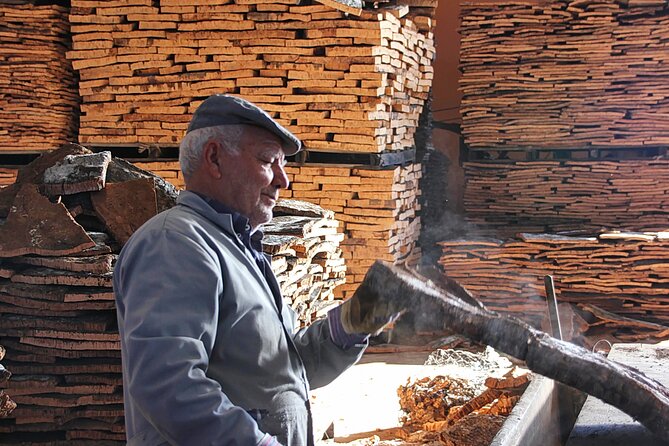
The working part of the visit shows how cork is assessed after harvesting. Staff trim pieces of bark and sort them by quality and size. You see both large and small pieces being handled, with grades linked to different final products.
This is the point where cork stops being an abstract idea and becomes a skilled trade. The assessor needs to judge the material carefully. Shape, thickness, quality, and condition affect what the cork can become. The work requires a practiced eye and a steady hand.
A live cutting demonstration is one of the most praised parts of the experience. In some cases, you can try cutting a piece yourself. For children, this can be the moment that turns a quiet factory explanation into something memorable. It also gives you a better sense of how much handwork goes into an apparently simple object.
The knife-sharpening demonstration adds another bit of old-fashioned craft. It is not a separate attraction, but it helps you see that the factory depends on skilled people, not just machines. The staff take pride in their work, and their explanations connect the tools to the final products.
A different sort of day out around Faro:
- Ria Formosa Natural Park and Islands Boat Cruise from Faro
★ 5.0 · 1,314 reviews - 2 Stop | 2 Islands & Ria Formosa Natural Park – From Faro
★ 5.0 · 1,045 reviews - Faro: Deserta Island and Farol Island Catamaran Boat Trip
★ 4.6 · 955 reviews - From Faro: Benagil, Algar Seco, 7 Hanging Valleys, & Marinha
★ 4.9 · 890 reviews
Water vats and the treatment of cork
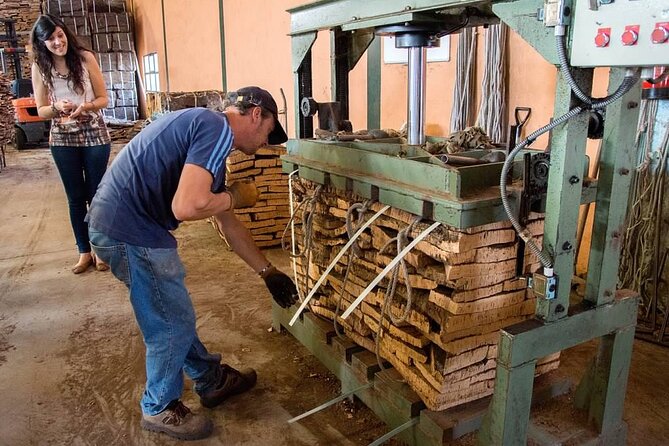
The tour also explains how cork is treated before it is sold or turned into goods. Large water vats are used to boil the material. After this stage, the cork is flattened and prepared for the market.
Seeing the vats is useful because it fills in a gap that a video or shop display cannot. You understand that cork does not simply come off a tree ready to become a stopper, bowl, bag, or placemat. It has to be cleaned, treated, flattened, inspected, and sorted.
The guide also explains the different grades of cork and how quality affects its use. Wine stoppers receive much of the attention, but the visit makes clear that cork has a long list of other applications. The emphasis is largely on the making of stoppers, so visitors hoping for equal detail on every cork product may find the presentation somewhat narrow.
Still, the basic lesson is strong. By the end, you understand why a natural material can serve both a traditional industry and a modern gift market. You also gain a better eye for the difference between a genuine cork item and a product that only resembles cork.
The many uses of cork
The tour’s biggest surprise is the range of products made from cork. You may hear about or see items beyond the familiar wine closure, including decorative and household pieces. One demonstration includes a cork assessor making a hand-crafted bowl, showing how the material can be shaped into something more than a small plug.
This part works best if you are curious about design, craft, or sustainable materials. Cork is light, flexible, and useful, and the factory visit gives those qualities a practical context. You are not simply told that cork has many uses. You see the raw material, the graded pieces, and the finished forms side by side.
The experience also encourages a more careful approach to shopping. A cork product is not automatically the same as every other cork product. Quality, construction, and the amount of handwork can vary. The guide’s explanation of grades helps you make better choices in the shop or elsewhere in Portugal.
One point to keep in mind is that the information about synthetic cork products may not be equally precise. If you want to know exactly how a particular item is made, ask directly before buying. The staff are open to questions, but the presentation focuses mainly on natural cork and its processing.
Finishing at the Cork Shop
The final stop is the Cork Shop at the factory. It is small, but it gives you a convenient chance to see finished products and take home a reminder of the visit. Some shoppers find the prices better than those in local shops, with good quality available at the factory.
I would save a few minutes for this part rather than treating it as an afterthought. The shop gives meaning to the factory work you have just seen. After watching bark being trimmed and graded, you can look at finished objects with a much better understanding of the material behind them.
This is not a large shopping stop, and selection may be limited. If you want a major retail experience, this will feel modest. If you prefer a small, focused shop tied to the product you have just learned about, it works well.
Food and drinks are not included. Do not count on a complimentary drink at the end, since the tour is built around the factory and shop rather than refreshments.
Is $21.17 good value for 70 minutes?
At about $21.17 per person, this is not the cheapest short activity in the Algarve. The value depends on what you want from your day. I think it is fair for an English-language factory explanation, live demonstrations, a chance to ask questions, and access to a shop connected to the work.
The tour earns its price through access and context rather than length. Seventy minutes is enough to explain the process without taking up half your day. You are paying for the staff’s time, the demonstration, and the chance to see a working production setting.
The value is weaker if you expect a cork forest visit, a long factory walk, food, or hotel transportation. None of those are part of the experience. You should also weigh the cost of arranging your own transport, especially if you are not already planning to drive near the factory.
For families, the hands-on cutting activity can make the price feel more worthwhile. For adults interested in Portuguese industry, traditional crafts, or sustainable materials, the tour offers a focused lesson. For someone who only wants a quick souvenir, the shop can be visited without the full educational benefit.
Who will enjoy this factory visit most?
I would recommend the tour to anyone who likes to understand how everyday objects are made. It is particularly suited to families, curious adults, and visitors who want an activity beyond the usual Algarve sightseeing circuit.
It also works well as a follow-up to a cork farm visit. The farm shows the trees and harvesting side, while Eco-Cork explains the next stage. Taken together, the two experiences provide a fuller picture of the cork trade.
You may want to skip it if your schedule is tight and you cannot easily reach the factory. I would also look elsewhere if your main goal is to walk among cork trees or see bark removed in the field. This is a factory and shop visit, not an outdoor nature tour.
The tour has a 4.6 rating from 150 reviews, and 91 percent of bookers recommend it. The praise centers on the guides, the clear explanations, the live cutting and grading, and the surprising number of cork uses. The weaker points are consistent too: the factory setting is plain, the shop is small, and a full group or heavy rain can make the guide difficult to hear.
What to bring and how to prepare
Bring your mobile ticket and arrange transportation before the day of the visit. Since the tour starts at a specific factory address and ends there, you should not plan to be dropped at a different sightseeing stop afterward.
Wear practical clothing for a working factory setting. The information provided does not promise outdoor harvesting, so you should not dress for a forest excursion or expect a long walk through cork trees.
Plan to ask questions. The guides leave time for them, and this is where you can clarify grades, processing, product types, or the difference between natural and synthetic cork. If you need a child seat, request it when booking.
The experience is offered in English and most people can participate. Service animals are allowed. Free cancellation is available if you cancel at least 24 hours before the local start time. Changes or cancellations made later are not accepted for a refund.
Should you book the Cork Factory Tour?
Book it if you want a short, practical look at Portuguese cork production and can arrange your own transport to Eco-Cork Factory. The live demonstrations, friendly English explanations, and small shop make this more than a sales stop.
I would not book it expecting a cork forest, a polished museum, or a food experience. The premises are functional, the tour can feel brief, and a large group may affect the sound. But if you value authentic craft and want to understand the work behind a familiar Portuguese product, this is a worthwhile Faro-area outing.
FAQ
Where does the Cork Factory Tour start?
It starts at Eco-Cork Factory, also called Eco-Fábrica de Cortiça, at Francisco Carrusca, Sítio da Mesquita Baixa, 8150-048, Portugal.
What time does the tour begin?
The scheduled start time is 11:30 a.m.
How long does the experience last?
The visit lasts approximately 1 hour and 10 minutes.
Is hotel pickup included?
No. Hotel pickup and drop-off are not included, and the activity ends back at the factory meeting point.
Is public transportation available to the factory?
The provided information states that there is no public transportation to the factory, so you need to arrange your own way there.
Is the tour offered in English?
Yes. The experience is offered in English.
What is included in the tour?
The visit includes the Eco-Cork factory and the Cork Shop. Food and drinks are not included.
Can children and service animals take part?
Most people can participate, child seats are available if requested at booking, and service animals are allowed.
Just added around Faro
- Faro City Portuguese Wine Tasting and Tapas Guided Tour★ 4.9 · 47 reviews
- Romantic Sunset Tour in the Ria Formosa: From Faro★ 5.0 · 51 reviews
- Private Ria Formosa Natural Park Boat Cruise from Faro★ 5.0 · 52 reviews
- Nature Catamaran Tour from Faro★ 5.0 · 53 reviews
- Small-Group Tour in Faro Islands★ 5.0 · 53 reviews
- Hop On Hop Off 3 Islands: Deserta, Farol and Culatra★ 4.5 · 56 reviews
- Private Half-Day Boat Tour in Ria Formosa from Faro★ 5.0 · 56 reviews
- Short boat trip of the Algarve’s Ria Formosa lagoon from Faro: 1 hour★ 4.5 · 56 reviews
Faro Tours, compared.
4 Stops | 3 Islands & Ria Formosa Natural Park – From Faro
Read our review →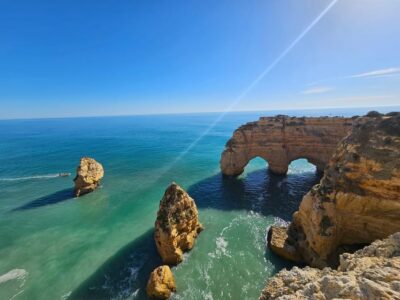
Benagil Cave, Marinha Beach, Algar Seco & More
Read our review →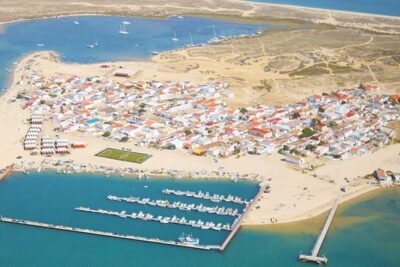
Ria Formosa – Boat trip to the 3 Islands: Armona | Culatra Island | Lighthouse
Read our review →
Ria Formosa Natural Park and Islands Boat Cruise from Faro
Read our review →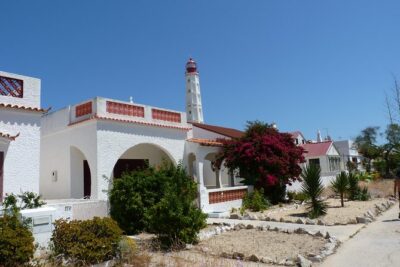
2 Stop | 2 Islands & Ria Formosa Natural Park – From Faro
Read our review →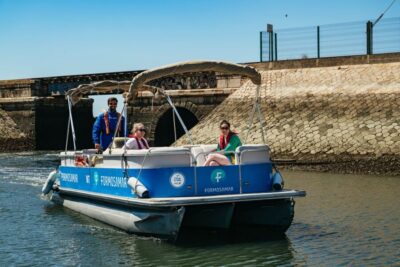
Deserta Island and Farol Island Catamaran Boat Trip
Read our review →
Benagil, Algar Seco, 7 Hanging Valleys, & Marinha
Read our review →
Benagil Cave, Marinha & Carvoeiro Full-Day Tour
Read our review →Browse the lists this tour appears in