
Reviewed · CYCLING TOURS
Experience Porto by Bike: 3-Hour Private Tour
Porto opens up beautifully on two wheels. This three-hour ride links the old riverside quarter with the Atlantic coast, passing churches, bridges, fishing districts, gardens, beaches, and broad bike paths along the way. I especially like the route’s mix of classic Porto and everyday neighborhoods, plus the small private-group format, limited to your own party and up to eight people.
The electric bikes make the city’s occasional climbs far less troublesome, and guides such as Pedro, Philippe, Filipe, Sofia, Arthur, and Helio have received praise for friendly storytelling and an easy pace. The main drawback is that this is not a concentrated tour of Porto’s major monuments. You will see some famous sights, but much of the ride focuses on the river, the coast, and parks. A non-electric bike can also make the distance feel demanding.
In This Review
- Key Points to Know Before You Ride
- Why This Route Shows You More Than Central Porto
- Starting at Biclas & Triclas on Rua Nova da Alfândega
- Miragaia and the Customs Waterfront
- Arrábida Bridge and Cantareira’s Fishing Character
- Passeio Alegre, Foz, and the Atlantic Air
- Castelo do Queijo and Matosinhos Beach
- City Park and Pasteleira’s Green Routes
- Jardim do Cálem and the Return to Ribeira
- Guides, Pace, and the Quality of the Experience
- Is $59.28 a Fair Price?
- Who Should Book This Porto Bike Tour?
- Final Verdict: Book It for Porto’s River and Coast
- FAQ
- How long is the Porto bike tour?
- Where does the tour begin?
- Where does the tour end?
- Is this a private tour?
- Are bicycles and helmets included?
- Are children allowed on the tour?
- Does the tour include hotel pickup?
- What happens if the weather is poor?
Key Points to Know Before You Ride
- A river-to-ocean route: Ride from the Douro near Miragaia to Foz, Matosinhos, and the Atlantic coast before returning through parks and Ribeira.
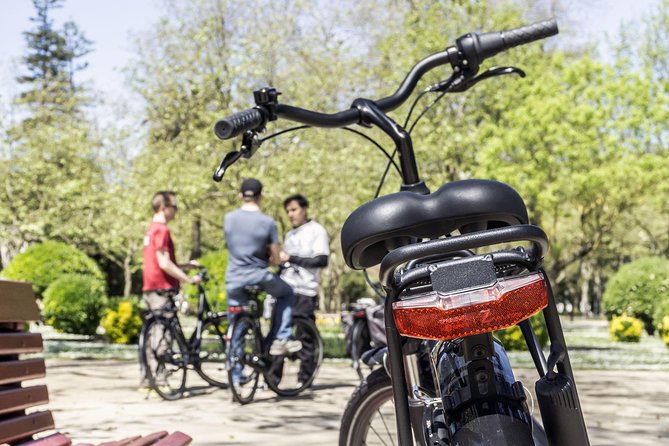
- Electric bikes matter: Porto is hilly, and the assisted bikes can make the roughly 17-mile route much more comfortable.
- Private and small-scale: Your own group takes part, with group sizes capped at eight people.
- A strong family option: Children can join with an adult, and children up to age five must use a child seat.
- The best scenery comes outside the center: Beaches, the river mouth, City Park, and coastal paths are the tour’s real reward.
- Plan for changing weather: The route needs good weather, and the breeze near the water can make a light jacket useful.
Why This Route Shows You More Than Central Porto
Porto’s center is compact but steep. Walking lets you explore its lanes and tiled churches, yet it can leave you climbing one hill after another. This bike route takes a different approach. It begins in the old city, then follows the Douro west toward the Atlantic, where the terrain feels more open and the ride more relaxed.
I like this design because it gives you a quick sense of how Porto is shaped. The river helped build the city, the ocean shaped its fishing and beach districts, and the parks provide a green break from the stone streets. You get several different sides of Porto in one morning or afternoon.
The tradeoff is clear. If your main goal is a close look at Livraria Lello, São Bento Station, Clérigos Tower, or Porto’s grand interior churches, this is not the right route. You pass important central sights, but the guide will not spend long at each one. Think of it as a broad introduction to Porto’s river and coast rather than a detailed old-town tour.
More Bike Tours in Porto
- Porto: City Highlights 3-Hour Guided Electric Bike Tour
★ 4.8 · 3,092 reviews - Porto: 3-Hour Old Town & Riverside Bike Tour – Guided Experience
★ 5.0 · 481 reviews - Porto: Riverside Panoramic E-Bike Tour
★ 4.6 · 312 reviews
Starting at Biclas & Triclas on Rua Nova da Alfândega
You make your own way to Biclas & Triclas, at Rua Nova da Alfândega 108, near the old customs area and a fountain. The shop handles the bikes, helmets, and initial safety briefing. Allow enough time to arrive calmly, especially if you are unfamiliar with Porto’s steep streets and one-way roads.
The opening portion is useful for getting comfortable with the bike. One practical tip is to test the gears and electric assistance before setting off. A past rider specifically found this helpful, since the route includes small climbs and the correct setting can save your legs later.
The tour includes bottled water, a local guide, bicycle use, helmet use, and taxes and handling charges. Food, drinks beyond the included water, hotel transfers, and souvenir photographs cost extra or are not included. A custard tart or café stop may happen during the ride, but you should not treat food as part of the fixed inclusions.
Miragaia and the Customs Waterfront
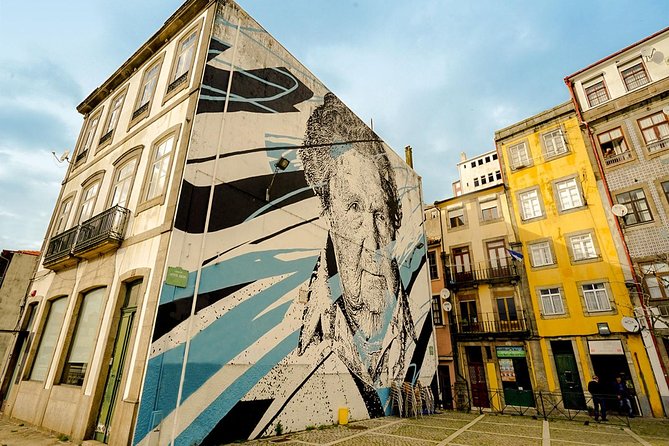
The first neighborhood is Miragaia, a handsome riverside district with cobbled streets, old villas, and small Portuguese restaurants. It feels more residential and less polished than the postcard center, which is part of its appeal. Your guide may pause here to explain how the waterfront changed over time.
The customs complex required a huge pier platform that replaced the old Miragaia beach. That change reshaped the riverfront in the nineteenth century. This is a good early example of the kind of context that makes the route worthwhile: you are not simply passing pretty buildings, you are seeing how trade and engineering altered Porto’s edge.
Nearby, the Porto Tram Museum occupies a former thermoelectric power station at Massarelos. The tour passes the museum, but the itinerary does not include admission or a museum visit. If trams are a personal priority, save the museum for another time.
Arrábida Bridge and Cantareira’s Fishing Character
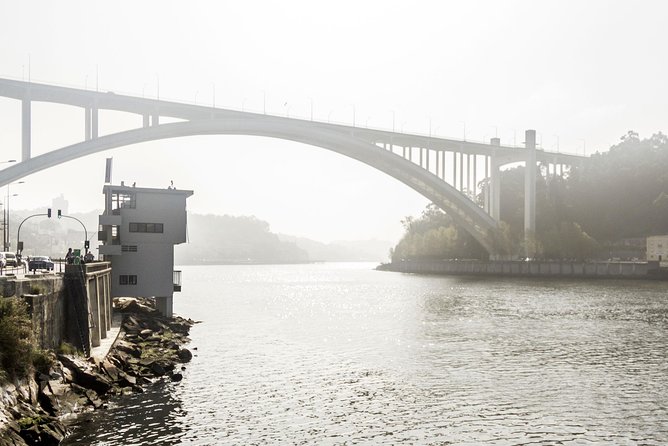
The Arrábida Bridge carries traffic across the Douro between Porto and Vila Nova de Gaia. When built in 1963, its reinforced-concrete arch was the largest of its kind in the world. You stop only briefly, but the bridge gives you a sense of the scale of the river and the modern infrastructure that supports the city.
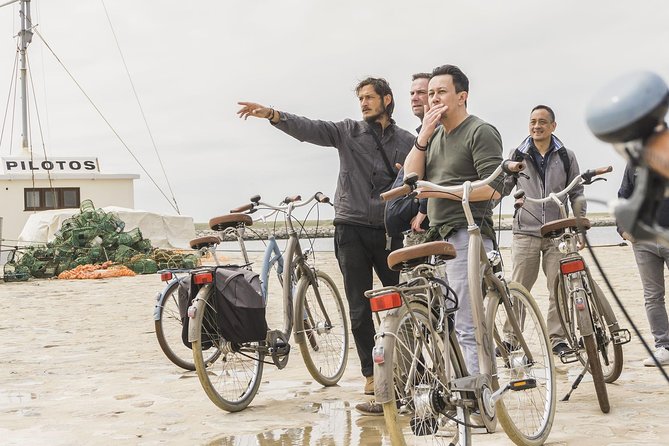
The route continues to Cantareira, once known for the fountains where people collected water in pitchers. It remains tied to the river’s fishing traditions, with small boats and fishing equipment around the waterfront. Across the Douro, you can look toward Afurada and Cabedelo near the river mouth.
This section is one of my favorite parts of the ride because it feels less like a checklist of monuments. You see working waterfront details and the gradual shift from city riverfront to open estuary. The guide usually stops for short explanations and photographs, so the pace is active but not rushed.
More rides on two wheels:
- Porto: Highlights in 3 Hours E-Bike Tour
★ 4.9 · 290 reviews - Porto: 3-Hour Bike Tour
★ 4.8 · 260 reviews - Lisbon: Hills, Alfama, and Mouraria Tour by Electric Bike
★ 4.8 · 3,438 reviews - Lisbon E-Bike Tour Commerce Square, Mouraria and Alfama
★ 4.5 · 1,688 reviews
Passeio Alegre, Foz, and the Atlantic Air
At Jardim do Passeio Alegre, the route reaches Foz do Douro, where the river meets the Atlantic. The garden is a pleasant pause with nearby monuments and heritage buildings. From here, the atmosphere changes quickly. The water feels broader, the air cooler, and the city center seems far away.
The São João Baptista da Foz Fortress guards the river entrance. Its position makes sense once you see the narrow approach from the water. The stop is short, but it adds military history to a ride that has already covered trade, bridges, and fishing.
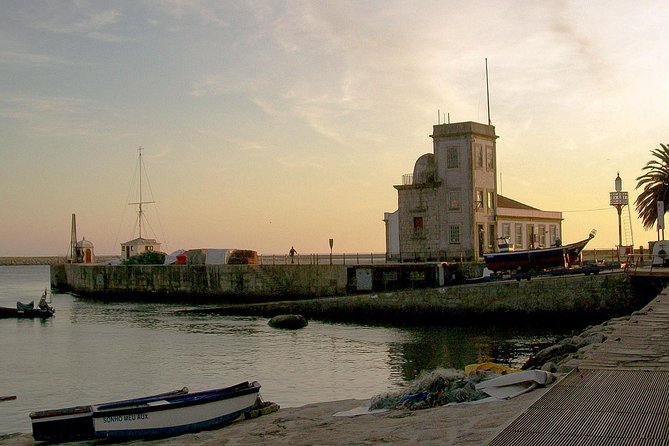
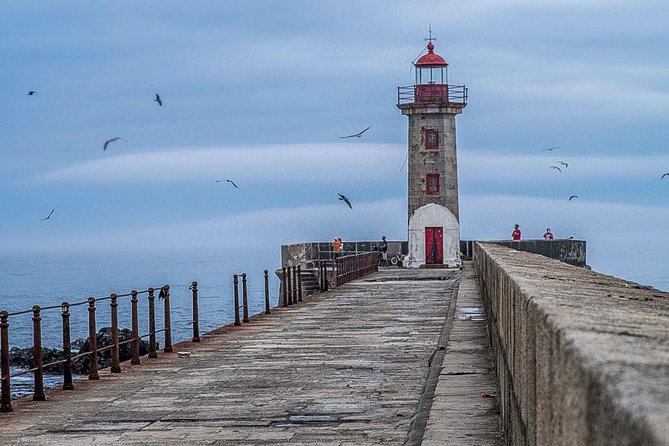
At the Felgueiras Lighthouse, built at the end of a pier, you get one of the tour’s most memorable coastal views. The lighthouse sits where the Douro runs into the ocean, and waves can make the edge feel dramatic. Keep your attention on the riding surface around the pier and waterfront rather than treating every stop as a long sightseeing visit.
The Pergola da Foz area covers the beaches of Ourigo, Ingleses, and Luz. These beaches give Porto a distinctly seaside character. The route is especially pleasant in good weather, though the ocean breeze can be strong. I would bring a light jacket even on a warm day and use sunscreen in summer.
Castelo do Queijo and Matosinhos Beach
The route then reaches Praia do Castelo do Queijo, named for the cheese-shaped rocky hill beneath its seventeenth-century fortress. The fort was built to help protect the coast from pirates from North Africa. It is a compact, photogenic stop, and the unusual name makes it easy to remember.
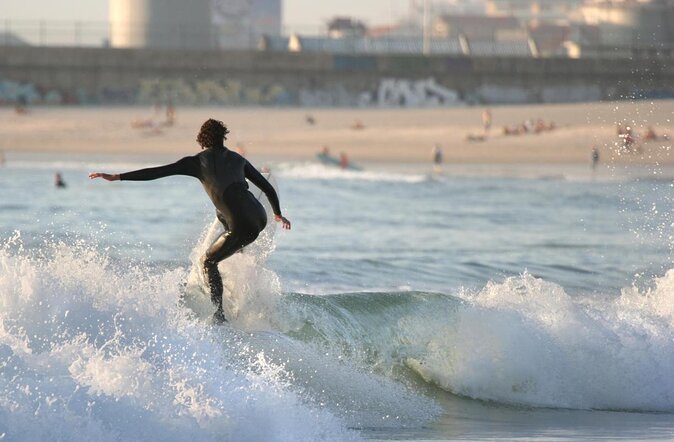
Matosinhos Beach is broader and more open, with golden sand and waves suitable for surfing. It is one of the most accessible large beaches from central Porto, so this part of the ride helps you understand how locals use the coast beyond the old center.
The beach section is scenic, but it can also reveal the tour’s limitation. If you expect a long stop for swimming, sunbathing, or a full meal, check the day’s timing with your guide. The published route includes brief stops, and three hours must cover a great deal of ground.
Several riders have enjoyed a pause at a pastry shop or beach café, including a stop for a custard tart. That sounds like a welcome local touch, but it is not guaranteed as a formal inclusion. Bring a little spending money if you want a snack.
City Park and Pasteleira’s Green Routes
After the beaches, the ride turns inland through Porto City Park. Designed by landscape architect Sidónio Pardal, the park covers 83 hectares and includes about 10 kilometers of paths, lakes, plants, and wildlife areas. The route through here is a major reason to choose this experience instead of staying entirely in the historic center.
I like the change of pace. After the stone streets, bridges, and oceanfront, City Park gives you shaded paths and open space. It also makes the ride feel less like an urban traffic exercise. The park is integrated into Porto, yet it has enough room to create a genuine break from buildings.
The tour also passes Pasteleira Urban Park, divided into two wooded sections connected by three wooden pontoons. This is another quiet stretch, with paths and trees replacing the waterfront. You may find this portion especially useful if you are traveling with children, since the route includes space away from the densest city streets and opportunities for brief pauses.
The ride is described as suitable for a range of fitness levels, but that should not be confused with effortless. The full route can reach roughly 17 miles, depending on the exact path. Electric assistance helps a lot, while a standard bike requires more work. If you have a choice, I would select the electric option for comfort.
Jardim do Cálem and the Return to Ribeira
Jardim do Cálem sits close to the mouth of the Douro and offers river views framed by tall black poplars. It is a small stop, but it helps connect the coastal section with the return toward central Porto.
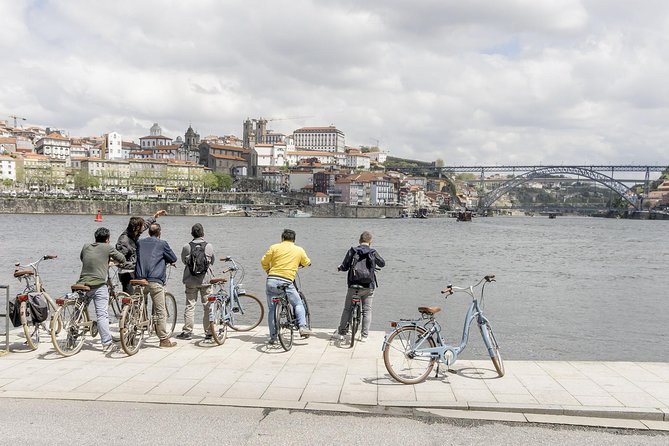
The route then brings you back toward the city’s signature river crossing, the Ponte de Dom Luís I. Locals commonly call it Dom Luís I, although its official name is simply Luiz I. The bridge has been part of Porto’s UNESCO World Heritage area since 1996 and remains one of the city’s defining views.
The itinerary also includes views connected with Porto’s wine cellars, which sit across the river in Vila Nova de Gaia. Do not expect a wine tasting or cellar visit. The value here is visual and geographic: from the bridge and riverfront, you see how Porto and Gaia face each other across the Douro.
The final major stop is Praça da Ribeira, one of Porto’s oldest squares. It has been recorded in royal documents since 1389 and grew through its connection with river commerce. A bronze relief recalls the Ponte das Barcas disaster of 1809, when more than 4,000 people died during an attack by French troops.
Ribeira can be crowded and busy, so riding through it requires care. The stop is brief, but it gives you a strong closing image of the old city before you return to Biclas & Triclas.
Guides, Pace, and the Quality of the Experience
The guide can make or break this tour. Pedro has been praised for warmth, city knowledge, and enthusiasm. Philippe and Filipe have also been singled out for clear explanations, friendly conversation, and good route choices. Sofia is noted for patience and for carrying apples and water, while Arthur received praise for watching the group and keeping the pace comfortable.
The strongest pattern is an engaging, flexible guide who knows when to explain and when to keep moving. That matters on a three-hour ride. Too much commentary turns the tour into a string of lectures, while too little leaves you wondering why you stopped.
The feedback is not perfect. One poor experience described a guide who was dismissive, easily irritated, and unable to answer basic questions. The operator apologized and said it would address the problem. That account appears unusual beside the many positive comments, but it is still worth acknowledging because guide quality affects both safety and enjoyment.
The ride itself includes city streets, cycle paths, parks, and waterfront stretches. Good guides keep an eye on the group, but you still need to ride responsibly and follow the safety briefing. Ask questions early, especially about electric assistance, gears, and the planned route.
Is $59.28 a Fair Price?
At $59.28 per person, I see reasonable value if you want more than a short central-city loop. You receive a bicycle, helmet, bottled water, guide, and three hours of route planning. The tour covers riverfront districts, the Atlantic coast, beaches, several parks, major bridges, and Ribeira. Seeing all of that independently would take more time and require you to work out a safe, efficient route.
The private format improves the value for families and small groups. You are not adapting to a large coach or waiting for dozens of people at every stop. A group discount may also reduce the cost for larger parties.
The price is less convincing if your only goal is Porto’s central monuments. You will spend much of the tour outside the old quarter, and food, hotel pickup, and optional photographs are not included. If you dislike cycling or want lengthy visits inside churches and museums, put your money toward a walking tour instead.
Who Should Book This Porto Bike Tour?
I would recommend it to families, active couples, and first-time visitors who want a broad introduction to Porto. It is especially good near the start of a trip, since the route helps you understand the relationship between the old center, the Douro, Foz, Matosinhos, and the parks.
It also works well for mixed-age groups. A six-year-old, a twelve-year-old, and a grandmother were all able to enjoy the route together, with the guide adjusting the pace and allowing time for playground stops. Children must be accompanied by an adult, and children up to age five need a child seat.
I would hesitate if you want a monument-heavy itinerary, have serious cycling limitations, or are booking during uncertain weather. The experience depends on good conditions, and it can be breezy near the ocean. Free cancellation is available up to 24 hours before the start time. If poor weather cancels the ride, you can receive a different date or a full refund.
Final Verdict: Book It for Porto’s River and Coast
Book this tour if you want to pedal from Porto’s old customs waterfront to the Atlantic, with beaches, parks, bridges, and local districts along the way. Choose an electric bike if available, wear sunscreen, carry a light layer, and arrive ready for a substantial ride rather than a gentle five-minute spin.
Skip it if your priority is detailed sightseeing inside the historic center. For most active visitors, though, this is a well-priced way to see the parts of Porto that are easy to miss on foot. The best guides add humor, local stories, and a comfortable pace, while the route gives you a memorable picture of the city from river to ocean.
FAQ
How long is the Porto bike tour?
The experience lasts approximately three hours.
Where does the tour begin?
It begins at Biclas & Triclas, R. Nova da Alfândega 108 R/C, 4050-431 Porto, Portugal, near a fountain.
Where does the tour end?
The ride ends back at the original meeting point at Biclas & Triclas.
Is this a private tour?
Yes. Only your group participates, and the small-group format is limited to eight people.
Are bicycles and helmets included?
Yes. Bicycle use and helmet use are included, along with bottled water, a local guide, and all taxes, fees, and handling charges.
Are children allowed on the tour?
Yes. Children must be accompanied by an adult. Children up to five years old must use a child seat.
Does the tour include hotel pickup?
No. You make your own way to the meeting point, and hotel pickup and drop-off are not included.
What happens if the weather is poor?
The experience requires good weather. If the operator cancels because of poor conditions, you will be offered another date or a full refund.
More 3-Hour Experiences
- Experience Porto’s Charm: 3-Hour Guided Walking Tour
★ 5.0 · 2,432 reviews - Porto: 3-Hour Guided City Highlights Walking Tour
★ 4.8 · 2,050 reviews - Porto: 3-Hour Food Tour
★ 4.9 · 807 reviews - Porto: Guided 3-Hour Best of Tour by Segway
★ 4.9 · 479 reviews
Just added around Porto
- Matosinhos: Conservas Pinhais Factory Tour★ 4.8 · 173 reviews
- Private Geres National Park Tour with Lunch and Transfers★ 5.0 · 174 reviews
- Porto: Tour on the Douro River in a Classic Boat★ 5.0 · 178 reviews
- Porto: Santiago de Compostela and Valença do Minho Day Trip★ 4.5 · 181 reviews
- Porto: 6 Bridges Port Wine River Cruise with 4 Tastings★ 4.8 · 182 reviews
- Private Rafting Experience in Melgaço★ 5.0 · 186 reviews
- Tile Painting and Cocktails in Downtown Porto★ 5.0 · 187 reviews
- Porto: Combined Ticket for WOW Cultural District★ 4.7 · 188 reviews
Cycling Tours, compared.
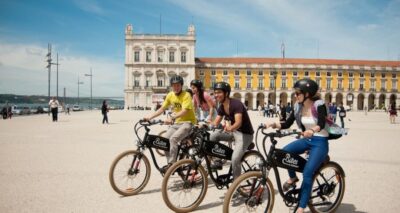
Hills, Alfama, and Mouraria Tour by Electric Bike
Read our review →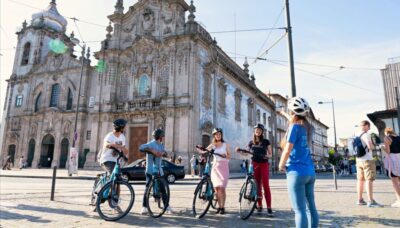
City Highlights 3-Hour Guided Electric Bike Tour
Read our review →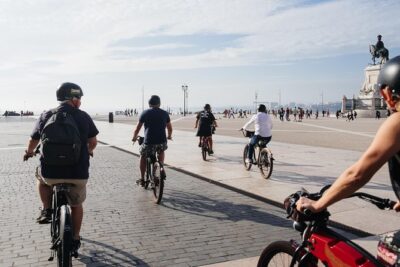
Lisbon E-Bike Tour Commerce Square, Mouraria and Alfama
Read our review →

Quad Biking – Sete Cidades from North Coast (Half Day)
Read our review →
Browse the lists this tour appears in