
Reviewed · FATIMA, NAZARE & OBIDOS TOURS
Fátima and Coimbra Full-Day Tour from Porto
Faith and learning meet on one long Portuguese day. This 10-hour outing links Fátima’s Marian sanctuary with Coimbra’s old university quarter, giving you two very different views of Portugal in a single trip. I like the well-planned mix of guided sightseeing and free time, and I like that the minibus keeps the group smaller than a standard coach tour. The trade-off is time: Fátima and Coimbra both deserve longer visits, so the afternoon can feel brisk.
The guides are a major strength. José Carvalho, Daniel, Felipe, Valdemar, Paulo, Maia, Orlando, and others have been praised for clear history lessons, careful driving, and thoughtful help during free time. I also like the chance to visit the homes of Francisco, Jacinta, and Lúcia, but you should know that Coimbra’s university, library, and cathedral entrances cost extra.
In This Review
- Key points at a glance
- Why combine Fátima and Coimbra?
- Leaving Porto in a comfortable minibus
- The shepherds’ homes near Fátima
- Fátima’s sanctuary and the Apparitions Chapel
- Lunch in Fátima: convenience over ceremony
- Walking through Coimbra’s old university quarter
- The Old Cathedral and Portugal’s medieval past
- The return to Porto and what the long day feels like
- The guide can shape the entire experience
- Who should book this Fátima and Coimbra tour?
- Should you book it?
- FAQ
- Where does the tour meet in Porto?
- How long does the tour last?
- Which languages are available?
- Is lunch included?
- Are the Coimbra University and library entrances included?
- Can I visit the shepherds’ homes in Fátima?
Key points at a glance
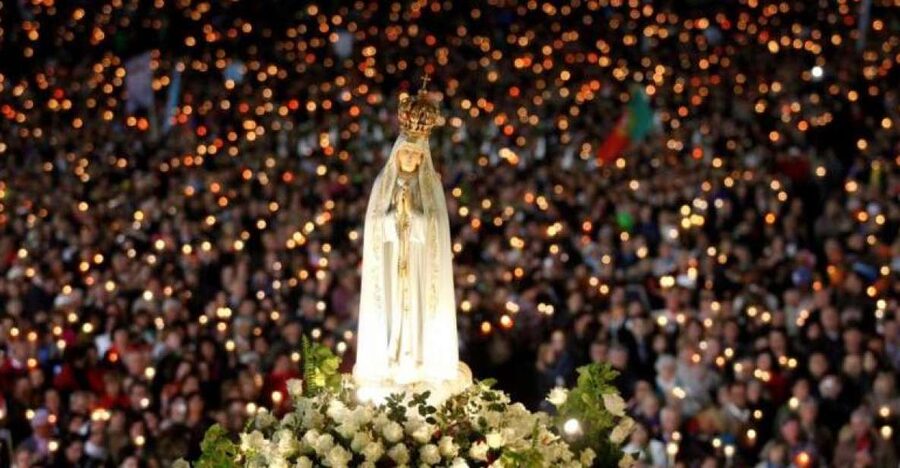
- Two major Portuguese centers in one day: Visit the country’s most important Catholic shrine, then walk through one of Europe’s oldest university cities.
- Fátima has personal human history: The homes of the three shepherd children add context beyond the grand basilicas and open plaza.
- Coimbra is best explored on foot: The guided route covers the historic center and Pátio das Universidades, with free time afterward.
- Small groups can make a big difference: Some departures have had only six to eight people, though the minibus can carry up to 27.
- Lunch needs a little planning: A buffet lunch option has been praised for value, but skipping it may give religious pilgrims more time at the sanctuary.
- Expect a full day on the road: The drives are comfortable, yet this is a packed excursion rather than a slow-paced visit.
Why combine Fátima and Coimbra?
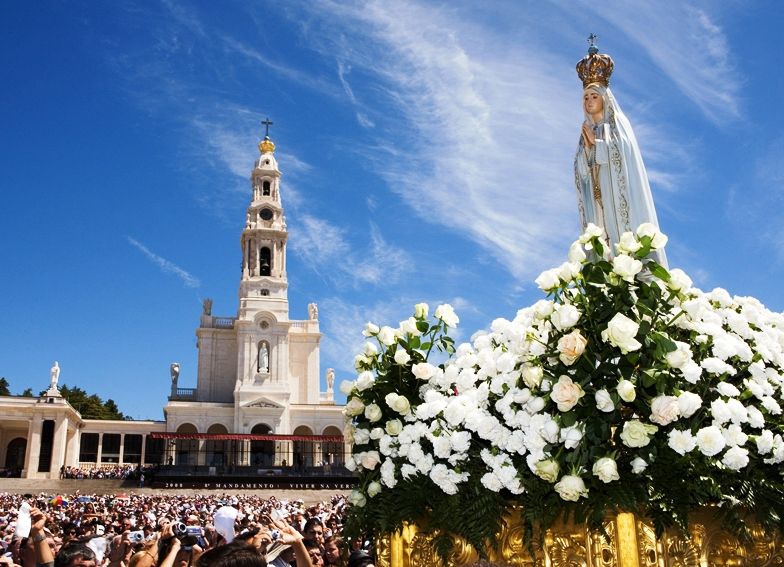
At first glance, Fátima and Coimbra seem like an odd pair. One is a modern pilgrimage center shaped by events from 1917. The other is an old academic city with steep lanes, Romanesque stonework, and a university founded in 1290.
That contrast is exactly why the route works. Fátima introduces you to Portugal’s spiritual life, while Coimbra shows the country’s intellectual and architectural side. You are not spending the whole day looking at similar churches or monuments.
The tour costs about $81 per person. That is a fair price if you want transportation from Porto, a professional guide, and a structured visit to places that are awkward to combine independently in one day. The value is strongest when your Porto stay is short and you want a broad taste of central Portugal.
It is less compelling if you prefer lingering over lunch, browsing at your own pace, or spending several hours inside Coimbra’s university buildings. The tour gives you an efficient overview, not a slow regional stay.
More Fatima, Nazare and Obidos day trips:
- Porto to Lisbon Up to 4 Stops: Aveiro, Nazare, Fatima & Obidos
★ 5.0 · 810 reviews - From Porto: Fátima and Coimbra Full Day Tour
★ 5.0 · 304 reviews - Three Cities in One Day: Porto, Nazare and Obidos from Lisbon
★ 4.5 · 3,572 reviews
Leaving Porto in a comfortable minibus
The meeting point is on Calçada da Vandoma, beside Porto Cathedral. Living Tours staff wear red and check you in before introducing you to the guide. The exact starting time depends on the selected departure, so check the schedule carefully.
The first drive lasts about two hours. That is a substantial ride, but the air-conditioned minibus makes it easier than managing several train connections or arranging a private car. The driving has received repeated praise, with guides such as Valdemar, Cristian, and Paulo noted for smooth, careful service.
Group size varies. Some departures have been very intimate, with six, seven, or eight people in a Mercedes people carrier. The stated maximum is 27, so you should not assume every date will be a tiny group. A smaller group means easier questions and less waiting, while a full minibus can make the fixed schedule feel tighter.
Tours are generally conducted in one language, but a second language may be used. English, Spanish, French, and Portuguese are available. Guides including Daniel and Valdemar have handled mixed English and Spanish groups well, and Daniel has also been praised for moving between English, Spanish, and French.
The shepherds’ homes near Fátima
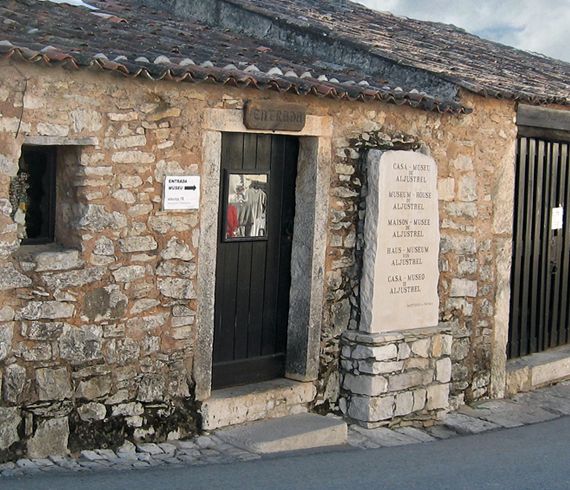
The first meaningful stop is a visit to the homes associated with Francisco, Jacinta, and Lúcia, the three children connected with the Marian apparitions. You have around 30 minutes here, including time to look around.
This stop gives the Fátima story a more personal scale. The sanctuary is monumental, with a huge open esplanade and grand religious buildings. The homes are much more modest. Seeing the places connected with the children helps you understand that the story began in a rural setting, not in a purpose-built pilgrimage complex.
The visit is included, which improves the value of the tour. It also keeps the morning from becoming only a quick stop at the main shrine. You can use this time to focus on the people behind the story and ask your guide about the local setting.
Thirty minutes is enough for a compact visit, but not for a long, quiet examination of every detail. If you want a reflective experience, resist the temptation to rush through the stop simply because the sanctuary comes next.
Fátima’s sanctuary and the Apparitions Chapel
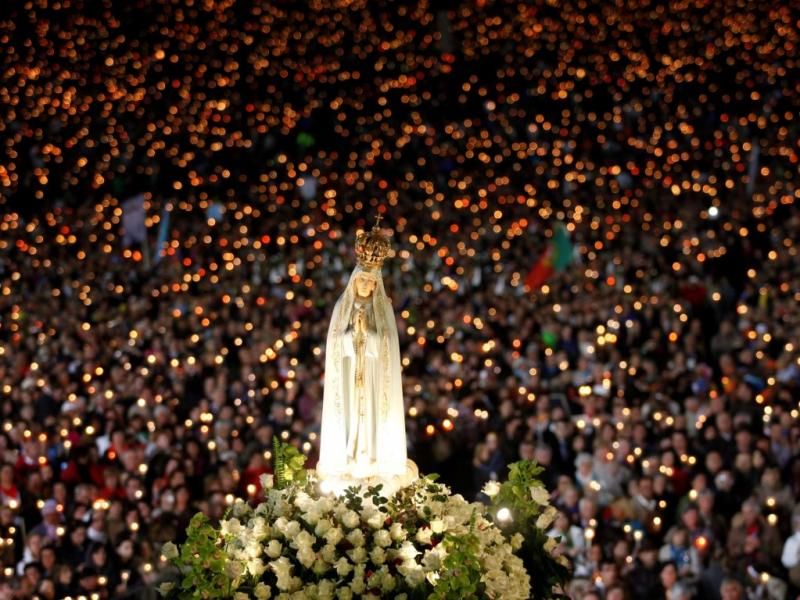
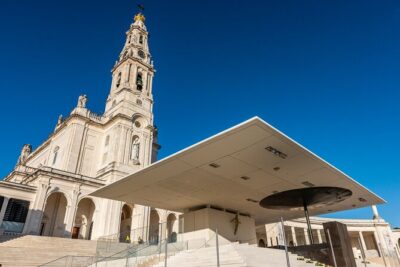
The Sanctuary of Our Lady of Fátima is the emotional center of the morning. You get about 90 minutes of free time for religious activities, personal reflection, photographs, or a walk around the complex.
The site commemorates the Marian apparitions first reported on May 13, 1917. The Apparitions Chapel marks the place where the Virgin Mary is said to have appeared to the children. For Catholic visitors, this is the key point of the visit. It is the place to pause, attend Mass if the schedule permits, light a candle, or follow part of the pilgrims’ route.
You can also see the basilica and the tombs associated with Francisco and Jacinta. The open scale of the sanctuary can be striking, but it may also feel formal and exposed compared with the intimate chapel. Give yourself a few minutes without trying to turn every moment into sightseeing.
The time allocation is sensible for a general visit, but it may not satisfy every purpose. A visitor who wants to attend more than one service, pray at length, visit the shops, and see every religious feature will probably feel pressed. One useful strategy is to decide before arrival what matters most. Some pilgrims have used the time for Mass, the sanctuary, the children’s tombs, the Berlin Wall section, candles, and traditional religious shops, but fitting all of that in requires a clear plan.
If Fátima is the main reason you are booking, consider choosing lunch carefully. A buffet lunch option can be convenient, but skipping lunch may leave you more time at the sanctuary, depending on the day’s schedule.
A few more reviews worth comparing before you book
- From Porto: Braga and Guimarães Full-Day Trip
★ 4.6 · 3,951 reviews - Small Group Geres National Park Full Day with picnic from Porto
★ 5.0 · 846 reviews - Porto: Douro Valley Full-Day Boat, Train, and Lunch Tour
★ 4.7 · 787 reviews - Porto Full Day City Tour Wine Tasting and Six Bridges Cruise
★ 4.5 · 682 reviews
Lunch in Fátima: convenience over ceremony
Lunch lasts about one hour. Food and drinks are not automatically included unless you select an option that includes them, so check the booking details before you leave Porto.
The lunch option has generally been described as a good-value buffet, with a range of food and local wine. One account praised the selection and wine, while another found a hotel meal less successful, with dry meat and chewy fish. That is a useful warning: the lunch is practical, but it is not the central cultural event of the day.
I would choose the lunch option if you want a predictable meal and do not want to spend time finding a restaurant in Fátima. I would skip it if Fátima has personal religious importance and you want every available minute at the sanctuary.
The schedule then allows roughly 45 minutes by road to Coimbra. It is a welcome break after the morning’s concentration and gives the guide room to explain Portugal’s wider past, local customs, and sometimes subjects such as Fado music.
Walking through Coimbra’s old university quarter
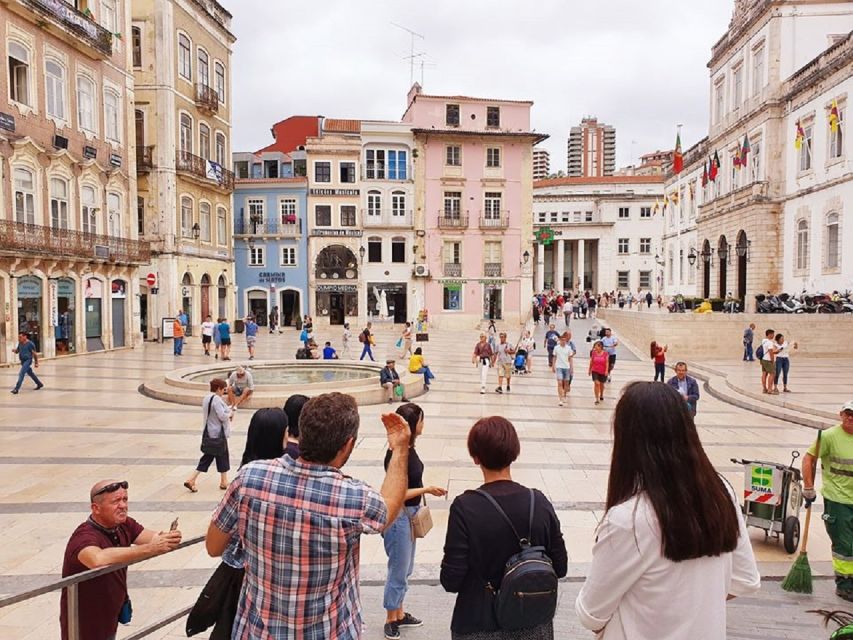
Coimbra receives about 90 minutes, divided between a guided walk and free time. The route covers the historic center and Pátio das Universidades, the university courtyard and surrounding district.
Coimbra is a city of slopes and old streets, so comfortable clothing and practical shoes matter. The university quarter sits above the lower historic center, and the walk gives you a sense of how the city’s academic life shaped its character. The reward is not just one monument. It is the combination of lanes, stone buildings, views, and student atmosphere.
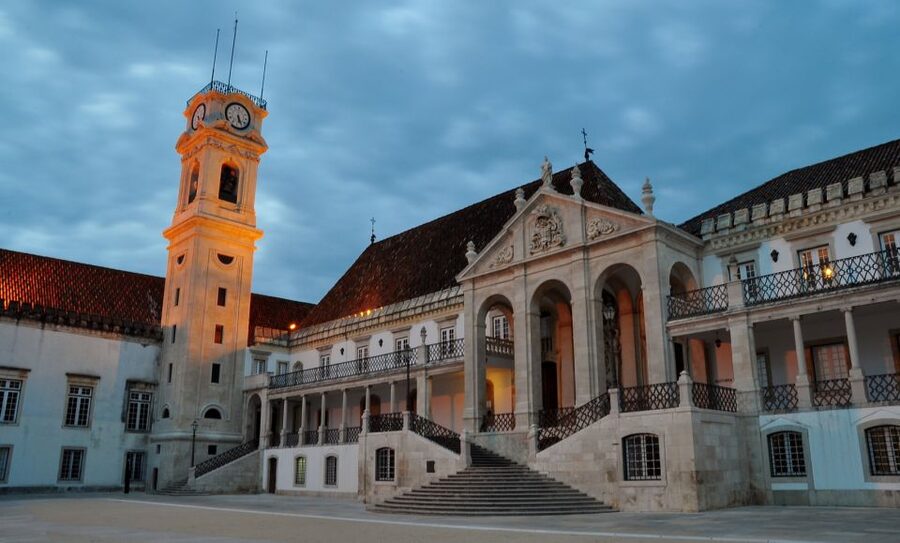
The University of Coimbra dates to 1290 and is a UNESCO World Heritage Site. Its best-known interior is the Joanina Library, a Baroque masterpiece. The important catch is that entrance to the library, university, and cathedral is not included.
That omission keeps the basic tour price down, but it also creates a decision point. If the Joanina Library is high on your list, tell the guide early. One guide, José Carvalho, made an effort to help a visitor see the library despite difficult weather and timing. Still, you should not rely on an interior visit being possible every day. Availability and the fixed schedule can affect what you manage to see.
For many people, the guided walk is enough to make Coimbra worthwhile. Guides have been praised for explaining the city’s history in an accessible way and for giving clear suggestions on how to use free time. I would pay close attention during the initial walk, then use the remaining time for the site that matters most to you.
Some people have wished for more time among the university gardens and buildings. That is fair. Coimbra can easily fill a full day, especially if you want interior visits, relaxed café time, and a closer look at the old streets.
The Old Cathedral and Portugal’s medieval past
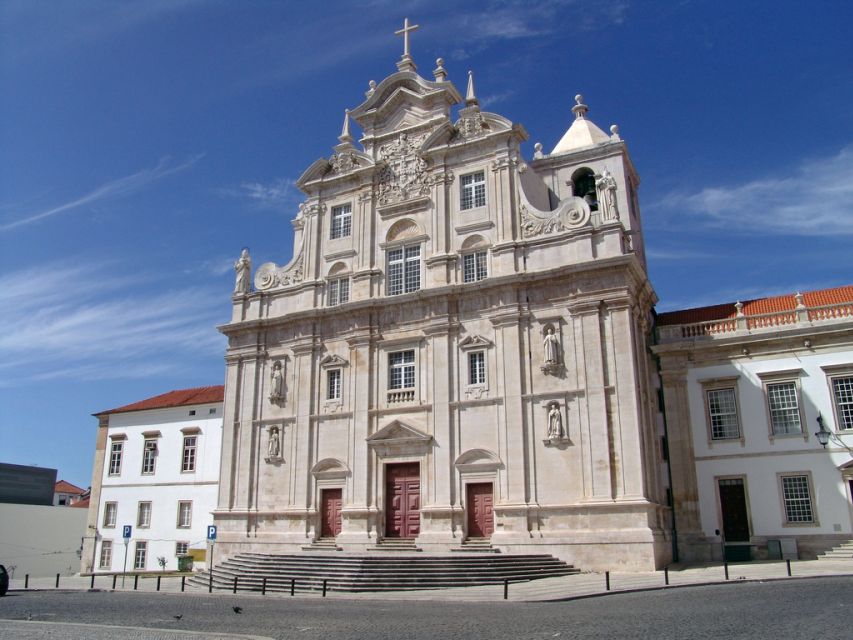
The Old Cathedral of Coimbra, or Sé Velha, is one of the city’s strongest exterior sights. Built in the 12th century, it has a fortress-like Romanesque form, heavy stonework, and carved decoration.
The cathedral is especially valuable for visitors who want to see medieval Portugal rather than only the university. Its sturdy appearance reflects a period when religious buildings also needed to feel defensive. The carvings reward a slower look, even if the group schedule does not allow one.
Entrance is not included, so decide if you want to pay separately during free time. If you do, keep an eye on the meeting time. The tour cannot hold the return journey for late arrivals, and one past departure was delayed by people returning late from stops. Your guide should give clear instructions, but it is your responsibility to be back on time.
The walk through Coimbra is a highlight for many kinds of visitors. You do not need a special interest in academic history to enjoy it. The city’s appeal comes from its scale and old stone streets, while the university adds a strong sense of place.
The return to Porto and what the long day feels like
The return drive takes about 75 minutes, followed by drop-off at one of three Porto locations, including Calçada da Vandoma and points near central Porto. By then, the 10-hour day will feel full.
That length is the main drawback. One person suggested cutting an hour from the experience, while others felt they had enough time at both stops. The difference comes down to priorities. If you want a broad introduction, the timing works. If you want a quiet pilgrimage or a full university visit, you may find the schedule too tight.
The included Porto walking tour is available from the day after the experience. It is conducted daily in English and Spanish at 9:30 a.m. and 4:30 p.m., starting at the Living Tours agency on Rua Mouzinho da Silveira. This is a useful extra for anyone who wants more orientation in Porto, though it is separate from the Fátima and Coimbra day itself.
The guide can shape the entire experience
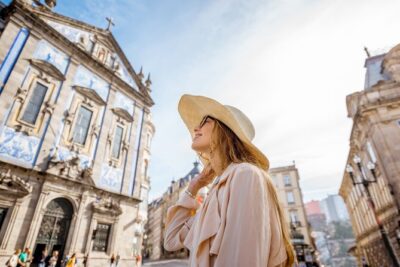
The most consistently praised part of this outing is the guide. That matters on a long day with substantial driving and two complicated destinations.
José Carvalho has been praised for warmth and flexibility, including adapting the plan during heavy rain. Felipe received praise for historical detail and for helping people make good use of free time. Valdemar has been noted for both his driving and his ability to explain Portugal to a mixed-language group.
Daniel is another name worth noting. He has been described as organized, friendly, and attentive from check-in through the return. Guides such as Maia, Paulo, Orlando, Cristian, André Vidal, and Isabelle have also received strong praise for clear explanations and care with individual needs.
You cannot usually choose your guide in advance, so book for the route and service rather than for one particular person. Still, the pattern is encouraging: the guide is not simply there to point at buildings. The better guides help you decide how to spend limited free time, explain religious subjects with sensitivity, and keep the day moving.
Who should book this Fátima and Coimbra tour?
I would recommend it to you if you are based in Porto, have only one free day for central Portugal, and want both spiritual and cultural sites without renting a car. It is also a good match for first-time visitors who prefer having transport, timing, and historical context handled for them.
Catholic visitors may find the Fátima portion especially meaningful, particularly if they plan ahead for Mass or prayer. You should tell the guide your priorities at the beginning, then use the free time with purpose.
History lovers will appreciate Coimbra’s old cathedral and university quarter, but anyone hoping to tour the Joanina Library should budget separately and confirm what can fit that day. Food-focused visitors may prefer to skip the organized lunch and find their own meal, while people who value convenience will likely appreciate the buffet option.
This tour is not suitable for people with mobility impairments. The day includes walking through historic areas, and Coimbra’s old streets can be demanding. Comfortable clothing is specifically recommended, and supportive shoes are a sensible choice.
Should you book it?
Book this tour if you want an efficient, well-supported day from Porto and accept that both destinations will be introductions rather than complete visits. The $81 price is reasonable for transport, a guide, the shepherds’ homes, and organized access to two distant cities.
Skip it if you want to linger at Fátima, tour every university interior, or eat a leisurely local lunch. For everyone else, this is a strong day trip, especially when the group is small and the guide brings the history to life. Plan your priorities before departure, stay prompt at each meeting point, and you will get the most from a very full Portuguese day.
FAQ
Where does the tour meet in Porto?
The meeting point is Calçada da Vandoma, next to Porto Cathedral, also called Sé do Porto. Living Tours staff wear red and are clearly identified.
How long does the tour last?
The experience lasts about 10 hours. The schedule includes roughly two hours to reach the first area, about 45 minutes from Fátima to Coimbra, and around 75 minutes for the return to Porto.
Which languages are available?
The tour is offered in French, Spanish, English, and Portuguese. It is usually conducted in one language, though a second language may be used.
Is lunch included?
Food and beverages are not included unless specified by the selected option. A lunch option is available, and it has been described as a buffet with a range of food and local wine.
Are the Coimbra University and library entrances included?
No. Entrance to the Coimbra Library, University, and Cathedral is not included in the tour price.
Can I visit the shepherds’ homes in Fátima?
Yes. The experience includes a visit to the homes of Francisco and Jacinta, as well as Lúcia’s house. You also receive free time at the Sanctuary of Our Lady of Fátima for religious activities.
Just added around Porto
- Matosinhos: Conservas Pinhais Factory Tour★ 4.8 · 173 reviews
- Private Geres National Park Tour with Lunch and Transfers★ 5.0 · 174 reviews
- Porto: Tour on the Douro River in a Classic Boat★ 5.0 · 178 reviews
- Porto: Santiago de Compostela and Valença do Minho Day Trip★ 4.5 · 181 reviews
- Porto: 6 Bridges Port Wine River Cruise with 4 Tastings★ 4.8 · 182 reviews
- Private Rafting Experience in Melgaço★ 5.0 · 186 reviews
- Tile Painting and Cocktails in Downtown Porto★ 5.0 · 187 reviews
- Porto: Combined Ticket for WOW Cultural District★ 4.7 · 188 reviews
Fatima, Nazare & Obidos Tours, compared.
Three Cities in One Day: Porto, Nazare and Obidos from Lisbon
Read our review →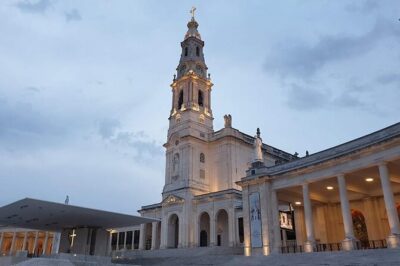
Fátima, Nazaré, Batalha, and Óbidos Guided Tour
Read our review →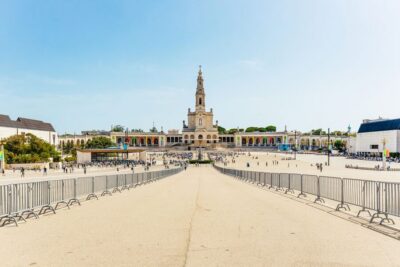
Fatima Batalha Nazaré & Óbidos Small-Group Tour
Read our review →
Fatima, Batalha, Nazare, Obidos – Small Group
Read our review →
Fatima, Nazare, Obidos 8-People Small Group, Day-Tour from Lisbon
Read our review →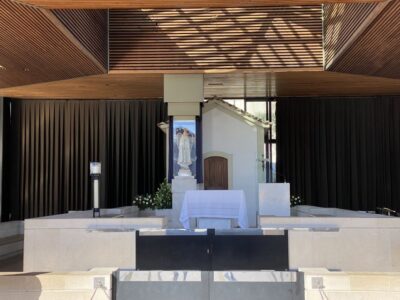
Fátima, Batalha, Nazaré, and Obidos Tour by Van
Read our review →Browse the lists this tour appears in