Reviewed · TICKETS
Lisbon: Gulbenkian Collection+Centro de Arte Moderna Ticket
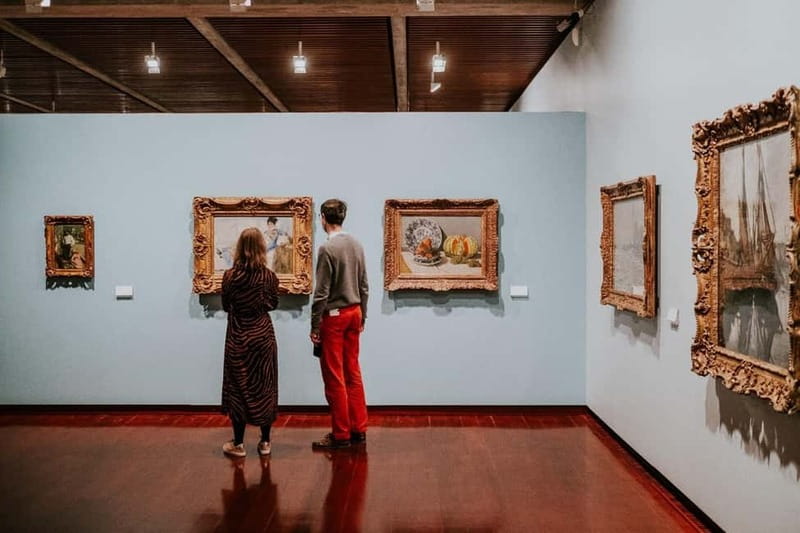
Art and gardens share the spotlight. This one-day ticket links Lisbon’s Gulbenkian Collection with the Centro de Arte Moderna, giving you art from ancient Egypt and Mesopotamia alongside Portuguese modernism and contemporary work. I like the 5,000-year span of the main collection, and I like having the Gulbenkian Gardens between the two buildings for a quiet break.
The $16 price is appealing because it covers both permanent collections and the gardens, with an audio guide app in six languages. The main consideration is that displays can change, and the modern art access may be limited to the permanent collection or current exhibition space available that day.
In This Review
- Key points at a glance
- Two museums, one leafy setting
- The Gulbenkian Collection spans 5,000 years
- Rembrandt, Rubens, Turner, and Lalique
- CAM brings Portuguese modern art into focus
- Paula Rego and Adriana Varejão
- A walk through the Gulbenkian Gardens
- How much time should you allow?
- Is $16 a good value?
- Audio guide and practical preparation
- Who will enjoy this experience most?
- A few limitations to keep in mind
- Should you book the Gulbenkian and CAM ticket?
- FAQ
- Where is the Calouste Gulbenkian Foundation?
- Which bus lines serve the foundation?
- How much does the ticket cost?
- How long is the ticket valid?
- What does the ticket include?
- Is the audio guide available in English?
- What should I bring?
- Is the foundation wheelchair accessible?
- Can I take flash photographs?
- Is admission free on Sundays?
- What are the opening hours?
Key points at a glance
- Two different art worlds: Move from Rembrandt, Rubens, ancient objects, and René Lalique to modern Portuguese art by Paula Rego and Amadeo de Souza-Cardoso.
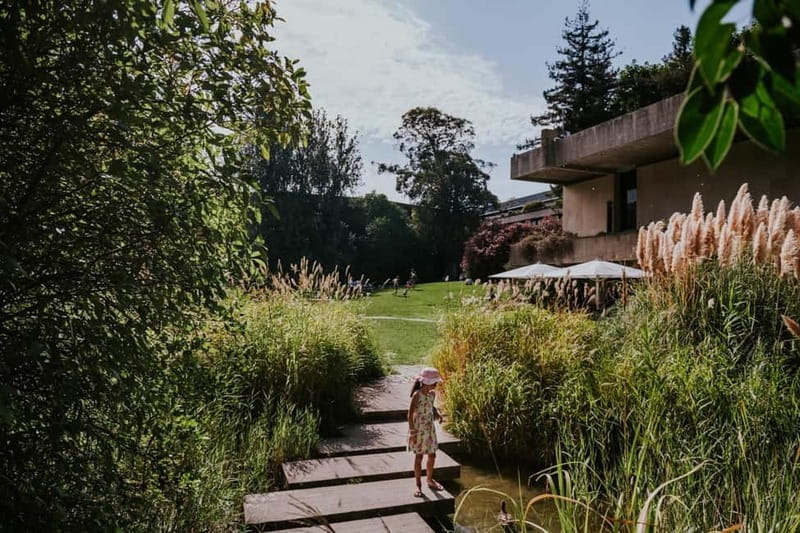
- A garden break between galleries: Winding paths, ponds, and varied plantings give you room to rest after the indoor displays.
- Good value at $16: The ticket includes the Gulbenkian Collection, CAM Collection, selected exhibitions, and garden access.
- Allow a full day, but plan your energy: Your ticket is valid for one day, so you can take your time rather than rush through both buildings.
- Bring your own headphones: The audio guide works through your charged smartphone and is available in English, Spanish, French, Italian, German, and Portuguese.
- Check the current display before booking: Access to the main museum and CAM exhibition areas can vary, and temporary shows may require a separate ticket.
Two museums, one leafy setting
The Calouste Gulbenkian Foundation is in central Lisbon, close to S. Sebastião metro station on the Blue and Red lines and Praça de Espanha on the Blue Line. Bus routes 713, 716, 726, 742, 746, and 756 also serve the area.
The setting matters. You are not moving between unrelated city blocks. The two art spaces sit within the same foundation grounds, with the Gulbenkian Gardens providing a natural pause between them. I would treat the visit as a half-day cultural outing, though art lovers can easily spend most of a day here.
The ticket is valid for one day rather than a fixed short time slot. That gives you useful freedom. You can begin with the collection, pause in the gardens, visit CAM, and return to a section that deserves more time.
One practical point can save frustration: you may need to exchange your virtual ticket for a physical ticket before entry. Do not assume the phone voucher alone takes you straight through the doors. Keep your booking ready and allow a few extra minutes for that exchange.
A few more reviews worth comparing before you book
- Sintra: Pena Palace and Park Entrance Ticket
★ 4.2 · 17,410 reviews - Lisbon: Jerónimos Monastery Entrance Ticket
★ 4.1 · 14,164 reviews - Lisbon: Oceanário de Lisboa Entrance Ticket
★ 4.6 · 9,943 reviews
The Gulbenkian Collection spans 5,000 years
The main collection is built around the private holdings of Calouste Sarkis Gulbenkian. Its great strength is range. You are not seeing only one national school or one period of art. The displays move across ancient civilizations, Islamic art, European painting, decorative arts, and early twentieth-century design.
The collection includes objects connected with:
- Ancient Egypt
- Greece and Rome
- Mesopotamia
- The Islamic Orient
- Armenia
- The Far East
- European art from later centuries
That range gives the museum a clear sense of movement through time. The arrangement is chronological and geographical, so you can follow changing styles and materials without needing a specialist background.
I like this approach for a first museum visit in Lisbon. It gives you a broad cultural frame before you turn to Portugal’s modern and contemporary artists at CAM. You may begin with small, highly crafted objects from the ancient world, then move toward paintings and decorative pieces where individual artists become the focus.
The age of the collection is one of its strongest hooks. A 5,000-year-old object asks you to slow down and look at details that can be easy to miss in a room full of famous names. The story is not only about grand paintings. It is also about objects, techniques, belief systems, and trade between distant places.
Rembrandt, Rubens, Turner, and Lalique
The European section includes major names such as Rembrandt, Rubens, Turner, and René Lalique. These works give the collection extra weight, but I would not plan the visit around a single famous painting.
The pleasure here comes from contrast. Rembrandt and Rubens represent very different approaches to European painting, while Turner brings another mood and handling of light. Lalique shifts the focus again toward design, glass, and decorative art.
This variety makes the museum useful for mixed-interest groups. One person can linger over painting, another can focus on objects from antiquity, and someone else may prefer the fine detail of decorative pieces. You do not need to be an expert to get something from the visit, because the collection keeps changing its visual language.
The displays are arranged to help you make those connections. Still, give yourself permission to skip a room. With thousands of years represented, trying to absorb every object can turn a pleasant visit into an endurance test.
CAM brings Portuguese modern art into focus
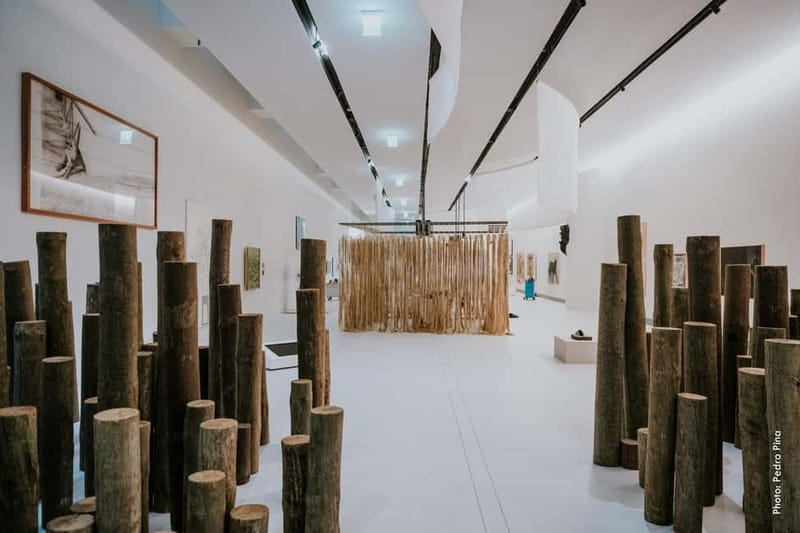
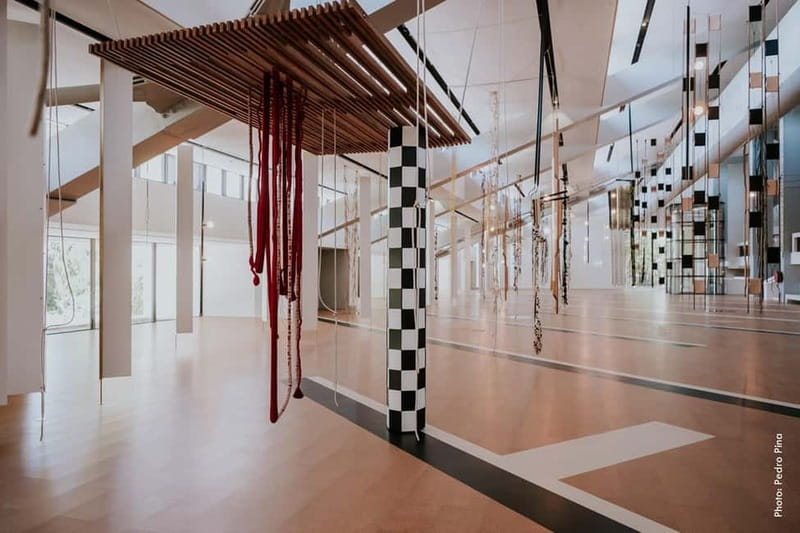
The Centro de Arte Moderna, known as CAM, covers Portuguese modern and contemporary art from the early twentieth century to the present. This is the place to focus on Portugal’s own artistic story.
Important Portuguese artists named for the collection include Almada Negreiros, Amadeo de Souza-Cardoso, and Paula Rego. The collection also includes English, French, and Armenian creators, so the presentation is not closed off within national borders.
That wider mix is useful. Portuguese art developed through contact with other ideas and cultures, and CAM places those connections beside the country’s own artists. You get a better sense of exchange rather than a simple march through isolated national styles.
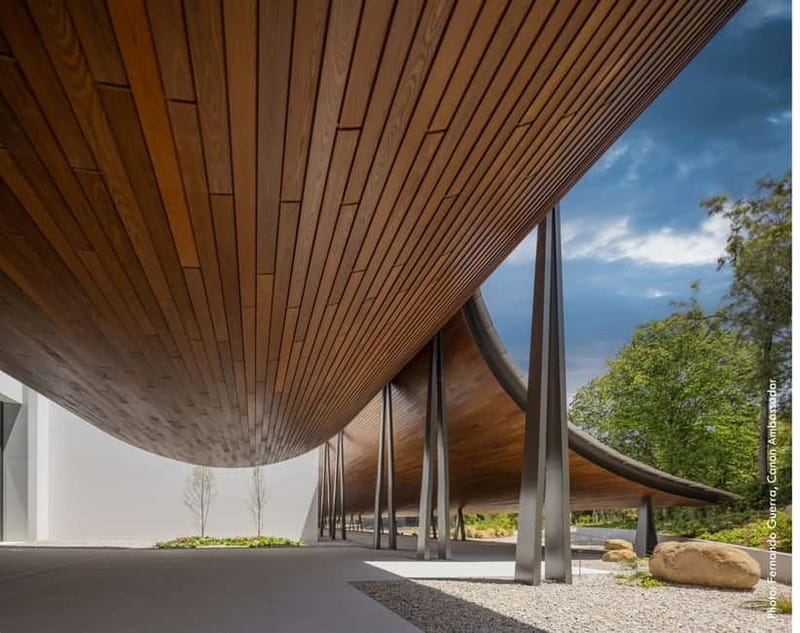
The building was recently renovated by architect Kengo Kuma. The architecture gives CAM a newer feel than the main collection building, and the change in atmosphere helps separate the two parts of the visit.
There is an important practical qualification. Access at CAM may focus on the lower-floor permanent collection, while temporary displays can be separate or change over time. The experience depends partly on what is open during your visit, so check the current exhibition details if a particular artist or show is important to you.
A different sort of day out around Portugal:
- The Unvanquished Tour in Porto City Center
★ 5.0 · 26,497 reviews - Lisbon City Center Tour – The Unmissable Lisbon
★ 5.0 · 22,234 reviews - Lisbon: Sintra, Pena, Regaleira, Cabo da Roca & Cascais
★ 4.7 · 19,656 reviews - From Porto: Douro Valley w/ Boat Tour, Wine Tasting & Lunch
★ 4.7 · 19,061 reviews
Paula Rego and Adriana Varejão
The ticket includes the Paula Rego and Adriana Varejão exhibition. Their inclusion adds a more focused contemporary element to the broader CAM collection.
Paula Rego is one of Portugal’s most important artists, and her work gives you a strong reason to spend time at CAM even if modern art is not usually your first choice. Adriana Varejão adds another voice to the exhibition program, helping show how the center places Portuguese art in a wider international conversation.
Temporary exhibitions can make a museum visit feel different from one date to the next. That is also the drawback. You cannot assume every room or display will be identical throughout the year. If you are visiting for a specific show, confirm what the ticket covers before you arrive, since some temporary exhibitions may need separate admission.
A walk through the Gulbenkian Gardens
The gardens are not just an add-on at the end. They are a useful part of the visit, especially after the concentration required by the galleries.
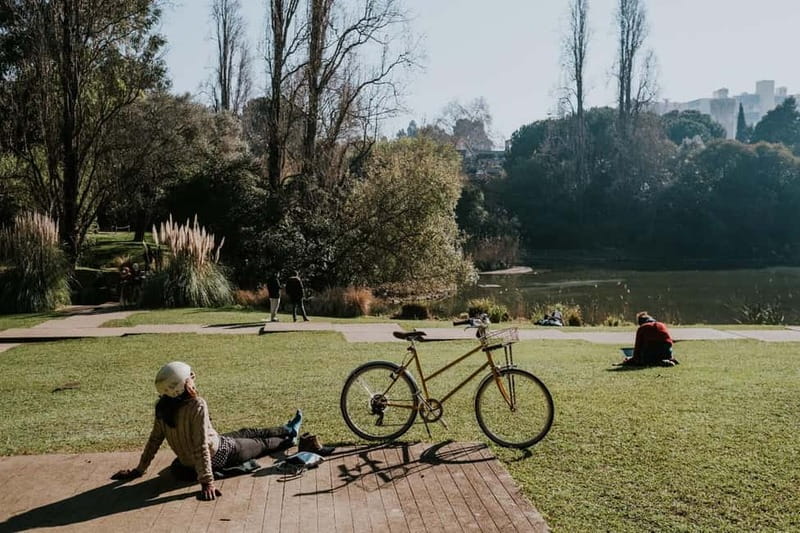
The paths wind through the grounds rather than sending you along a straight formal route. You will find ponds, changing plant life, and places suited to quiet reflection. The design was planned to work with the modern architecture, so the garden and buildings feel like parts of one setting.
I would visit one collection, then use the garden to reset before entering the second building. That simple pause can help you notice more in the next gallery. It also makes this ticket a good choice if you want culture without spending the entire day indoors.
The garden gives the experience a calmer rhythm than a standard museum stop. You can walk for a few minutes, sit and collect your thoughts, or simply take a break from labels and display cases. Since access is included, there is no reason to rush through it.
How much time should you allow?
The ticket is valid for one day, but no fixed visit duration is supplied. Your timing depends on how closely you look at the collections and how long you spend outside.
For a quick visit, you could see the key rooms in both buildings and take a short garden walk. That would give you a taste of the foundation, but it may feel hurried.
I would allow several hours if you have room in your Lisbon schedule. The main collection alone spans ancient civilizations through the early twentieth century, and CAM adds modern and contemporary Portuguese work. The garden gives you a natural pause, so you do not need to treat the visit as one uninterrupted indoor session.
A sensible order is:
- Start with the Gulbenkian Collection.
- Walk through the gardens.
- Visit CAM and the included exhibitions.
- Return to the garden if you want a final break.
The order can change if one building has a line or if you arrive close to a scheduled opening period. The foundation is open Wednesday through Monday from 10 a.m. to 6 p.m. It is closed on Tuesday according to the supplied schedule, so check the date before you plan this as a fixed part of your day.
Is $16 a good value?
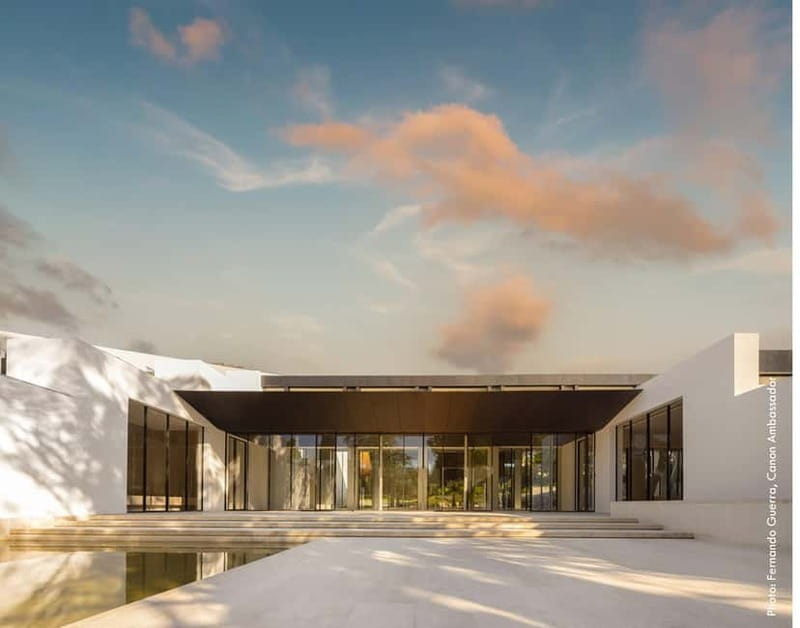
At $16 per person, I consider this a strong museum value if you plan to see both buildings. The ticket includes the Gulbenkian Collection, the CAM Collection, the Paula Rego and Adriana Varejão exhibition, the garden, and a digital audio guide.
The value is less clear if you only want one small section. You are paying for the connection between several art experiences, not for a short single-gallery visit. The ticket works best when you make time for both collections and the grounds.
It can also be cheaper than paying the entrance fee in person, based on the supplied ticket information. Still, confirm what is open and included on your date, since temporary exhibitions may be priced separately.
Free admission is available on Sundays from 2 p.m. That changes the calculation. If your schedule allows a Sunday afternoon visit, compare the free entry period with the convenience of booking this ticket. The paid ticket may still suit you if you want to secure your plans or use the flexible reserve-now, pay-later option, but the Sunday offer is worth knowing about.
Audio guide and practical preparation
The audio guide is provided through the Bloomberg app. It is available in English, Spanish, French, Italian, German, and Portuguese.
Bring headphones and a charged smartphone. Those are not minor suggestions. Without them, the audio portion of the ticket will be less useful, and a long museum visit can drain a phone faster than expected.
The audio guide can help you decide where to spend your attention, particularly in the main collection where the time span is so broad. You do not need to listen to every entry. I would use it selectively for artists or objects that catch your eye.
Flash photography is not allowed. Plan to look rather than photograph every room, and follow the museum’s rules if other photography restrictions are posted on site.
The foundation has a cloakroom, Wi-Fi, and wheelchair access. Those facilities make the visit easier for people who want to spend several hours inside or who prefer to travel light through the galleries.
Who will enjoy this experience most?
I would recommend this ticket to you if you like museums that cover more than one period or country. The main collection offers ancient art and European masters, while CAM gives you a direct look at modern and contemporary Portuguese work.
It also suits couples or families with different interests. The range means one person can focus on Rembrandt or Rubens, another can look for Paula Rego, and everyone can meet in the garden afterward.
You should think twice if your Lisbon schedule is extremely tight or if you only want a single famous artwork. The foundation rewards time and curiosity. A rushed visit could leave you with an incomplete sense of both buildings.
The ticket is also a good fit for visitors who want a quieter cultural stop. The garden changes the pace, and the setting feels less demanding than a full day of crowded central attractions.
A few limitations to keep in mind
The biggest issue is the changing museum setup. The main Gulbenkian Museum has had periods when parts of the collection were closed, with only some works available on one floor. CAM access can also focus on the lower-floor permanent collection, depending on the current arrangement.
That does not make the ticket poor value, but it means you should avoid booking with a rigid idea of exactly which rooms you will see. Check the latest information from the foundation if a specific exhibition is the main reason for your visit.
Temporary shows can also require a separate ticket. The included Paula Rego and Adriana Varejão exhibition is a helpful addition, but do not assume every temporary display in either building is included.
Finally, the Sunday free-entry period may be a better deal for some schedules. At other times, the $16 ticket is a practical way to cover both collections and the garden in one visit.
Should you book the Gulbenkian and CAM ticket?
Book it if you want a broad, thoughtful museum visit with ancient art, European masters, Portuguese modernism, contemporary work, and a garden walk in one setting. The strongest reasons are the unusual 5,000-year span, the Portuguese focus at CAM, and the fair price for access to both sides of the foundation.
I would book with two checks in mind: confirm which galleries and exhibitions are open on your date, and remember to exchange the virtual voucher for a physical ticket if required. Bring headphones and a charged phone, then allow enough time to use the garden as part of the visit rather than treating it as a quick exit route.
If you are visiting on Sunday after 2 p.m., check the free admission option first. For everyone else, this is a worthwhile Lisbon stop, especially when you want art with room to breathe.
FAQ
Where is the Calouste Gulbenkian Foundation?
It is in the Lisbon District, near S. Sebastião metro stations on the Blue and Red lines and Praça de Espanha on the Blue Line.
Which bus lines serve the foundation?
Bus lines 713, 716, 726, 742, 746, and 756 serve the area.
How much does the ticket cost?
The listed price is $16 per person.
How long is the ticket valid?
The ticket is valid for one day.
What does the ticket include?
It includes the Gulbenkian Collection, the Centro de Arte Moderna Collection, the Paula Rego and Adriana Varejão exhibition, access to the Gulbenkian Gardens, and a digital audio guide app.
Is the audio guide available in English?
Yes. The audio guide is available in English, Spanish, French, Italian, German, and Portuguese.
What should I bring?
Bring headphones and a charged smartphone for the digital audio guide.
Is the foundation wheelchair accessible?
Yes, wheelchair accessibility is listed among the available facilities.
Can I take flash photographs?
No. Flash photography is not allowed.
Is admission free on Sundays?
Admission is free on Sundays from 2 p.m.
What are the opening hours?
The foundation is open Wednesday through Monday from 10 a.m. to 6 p.m. The supplied schedule does not list Tuesday as an opening day.
Just added around Portugal
- Private boat tour of the islets in Vila Franca do Campo★ 5.0 · 46 reviews
- Sete Cidades Azores 4×4 Day Tour from Ponta Delgada★ 4.9 · 46 reviews
- 4 Hours Adventure Jeep Tour in Central Madeira Portugal★ 5.0 · 46 reviews
- Rabaçal / 25 Fonts★ 4.5 · 46 reviews
- From Arouca: Paiva River Canoe Rafting Adventure Tour★ 5.0 · 46 reviews
- Tuk tuk tour in Belem area★ 5.0 · 46 reviews
- Jewish Walking Tour of Porto★ 4.5 · 46 reviews
- West Coast Van Tour (Half Day) | Terceira Island★ 4.9 · 46 reviews
Tickets, compared.



Quinta da Regaleira Skip-the-Ticket-Line Entry & Audioguide
Read our review →
Luz Stadium Tour & SL Benfica Museum Ticket w/Scarf
Read our review →