
Reviewed · COASTEERING
Madeira: Coasteering Adventure with Snorkeling, w/pick-up
Madeira rewards a little nerve. This five-hour coasteering trip mixes cliff jumps and sea caves with snorkeling along the rocky shore at Ponta de São Lourenço. I like the careful progression from smaller jumps to bigger ones, and I like that guides such as Marcos, Charlie, Rafa, and Matilde keep the mood upbeat without forcing anyone into a leap. The main consideration is physical: scrambling over wet rocks, swimming, and handling heights require moderate fitness and a calm head.
You pay $72 per person, including transport from Funchal or Caniço, equipment, insurance, and photos and videos. That is fair value for an active half-day, especially since the free images save you from worrying about your phone. Still, this is not a gentle sightseeing trip. If you do not swim, have back or heart problems, or dislike heights, choose another way to see Madeira’s coast.
In This Review
- Five things to know before you book
- Why coasteering suits Madeira so well
- From Funchal pickup to the eastern coast
- Getting fitted for the water
- Building confidence one jump at a time
- Swimming through pools and sea caves
- What the three-hour coastal route demands
- Safety without losing the fun
- Free photos make the $72 price easier to accept
- Who will enjoy this Madeira coasteering trip
- Booking details worth knowing
- Should you book it?
- FAQ
- How long does the Madeira coasteering experience last?
- Where can I meet the pickup van?
- Is pickup included in the price?
- What equipment is provided?
- What should I bring?
- Do I have to do the 13-meter jump?
- Is snorkeling part of the experience?
- What is the minimum age?
- Is this suitable for non-swimmers or people with medical conditions?
Five things to know before you book
- The biggest jump is 13 meters: Smaller jumps and alternative routes are available, so you can set your own limit.
- Ponta de São Lourenço is the setting: Expect three hours on a rugged shore, with rock scrambling, swimming, natural pools, and sea caves.
- Marcos is a frequent guide: His warm, encouraging style comes through in the many accounts of people overcoming fear and trying flips.
- Your gear is supplied: Wetsuit, helmet, life vest, snorkeling equipment, and neoprene footwear are provided.
- Photos and videos are included: Guides record the action and share the files after the trip.
- Transport takes about an hour total: Pickup and return are offered at the CR7 Museum, Funchal Cable Car, or Sport Zone Cancela.
Why coasteering suits Madeira so well
Madeira is famous for steep mountains, levadas, and dramatic viewpoints. But the island is just as interesting at water level, where black volcanic rock meets the Atlantic in ledges, pools, cracks, and small caves.
Coasteering lets you move through that edge zone under your own power. You walk and scramble along the rocks, swim around sections you cannot cross on foot, and jump into the sea where the route allows it. The activity gives you scenery, but it also makes you part of it.
That mix is the reason this outing feels different from a standard boat trip or beach stop. You are not simply looking at the coast. You are clambering across it, swimming through it, and entering places that are easy to miss from land.
The route is at Ponta de São Lourenço, the long eastern peninsula of Madeira. Its exposed rock formations and open sea views provide a strong backdrop for the activity. The coast is the star here, while the jumps give the day its pulse.
More coasteering routes:
- Madeira: Half-Day Coasteering Tour
★ 4.9 · 131 reviews - Coasteering Tour – Cliff jumping, swimming, scrambling.
★ 5.0 · 69 reviews - Coasteering Adventure with Snorkeling from Funchal
★ 5.0 · 60 reviews
From Funchal pickup to the eastern coast
You can meet the van at one of three points: Portugal’s CR7 Museum, the Funchal Cable Car, or Sport Zone Cancela. Free pickup covers the Funchal and Caniço area, and the ride to Ponta de São Lourenço takes about 30 minutes.
That short transfer is useful if you are staying in Funchal and do not want to arrange a taxi or rental car. You wait beside the road at the agreed point, so arrive ready and keep an eye out for the vehicle.
Pickup outside Funchal and Caniço may be possible for an extra €15 per person, depending on the location. Check that cost before booking if your accommodation is elsewhere.
The van returns to the same three drop-off points after the activity. With three hours at the coast and about an hour of driving, the full outing lasts roughly five hours. That leaves room in your day for lunch, a quiet afternoon, or another short activity.
Getting fitted for the water
At the coast, you receive the equipment you need for the session. This includes a wetsuit, helmet, life vest, and snorkeling gear. Accounts from families and first-time participants also mention neoprene socks and boots, which help protect your feet on rough volcanic rock.
Bring your own swimwear and towel. You should also carry water, since the activity involves repeated swimming, climbing, and jumping. Alcohol, drugs, and smoking are not allowed.
The guides begin with a safety briefing. They explain how to move over the rocks, how to enter the water, and how to approach the jumps. A warm-up may also be part of the preparation. One detailed account specifically praised a dynamic warm-up before the group began jumping, a sensible touch when your body is about to work hard.
The supplied gear matters. A wetsuit helps with the water temperature, while a helmet and life vest add protection and flotation. The equipment does not remove every risk, but it lets you focus on the route instead of bringing your own technical kit.
Building confidence one jump at a time
The jump sequence is designed to build confidence. You start with lower options, then decide if you want to move up. The top advertised jump is 13 meters, but smaller jumps are available throughout the route.
This choice is one of the best features of the experience. You can be part of the group without matching its boldest member. If a ledge looks too high, the guides can offer a lower jump, a swim, or another way around.
That does not mean the outing is effortless. You still need to climb, balance, swim, and follow instructions. A detailed family account noted that the children enjoyed the challenge, while another participant pointed out that the rock climbs are not always easy. Moderate fitness is a sensible requirement.
The guide team’s role is important here. Marcos is often singled out for being calm, funny, encouraging, and attentive. Charlie, Rafa, Matilde, and other guides are also praised for keeping the activity friendly and organized. The best kind of encouragement helps you make your own choice, and that is the tone you should expect.
You may also learn how to add style to a jump. Guides can show you how to attempt a front flip or backflip, and you can invent your own move if you feel ready. Do not confuse this with a lesson in stunt work. Treat the tricks as optional extras, not as the point of the trip.
A few more reviews worth comparing before you book
- Madeira: Ponta de São Lourenço Snorkeling Boat Trip
★ 4.8 · 199 reviews - Kayak and Snorkeling Tour in Underwater Nature Reserve Garajau
★ 4.5 · 111 reviews - Caniço, Madeira: Marine Reserve Kayak & Snorkelling Tour
★ 4.3 · 104 reviews - Funchal: Snorkeling Adventure in Eco-Park / Shore or by Boat
★ 4.5 · 71 reviews
Swimming through pools and sea caves
The jumps are easy to remember, but the swimming sections give the outing its character. You move through natural pools, look beneath the surface, and explore rock formations shaped by the sea.
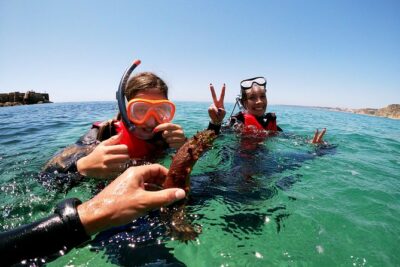
The snorkeling usually comes toward the end, which makes it a pleasant change of pace after the more active sections. You can look for colorful fish and inspect the underwater rock around the coast. Some accounts describe swimming through caves and snorkeling inside them, adding a quieter moment to an otherwise energetic route.
This final section also gives you time to appreciate Madeira’s coast without immediately thinking about your next landing. If you prefer nature to adrenaline, the swimming and snorkeling may be your favorite part.
Water conditions can affect the exact route and the highest available jump. One outing reached an 11-meter jump rather than the advertised 13 meters. That is not a shortcoming. It is a reminder that a sea-based activity must respond to the actual conditions on the day.
What the three-hour coastal route demands
The guided section lasts about three hours. During that time, you should expect a steady mix of activities rather than one long series of jumps.
You walk over uneven rock, scramble up and down ledges, swim around obstacles, and pause at suitable places before continuing. The distance covered may be around a kilometer, based on one detailed description, but the effort comes from the terrain rather than the mileage.
Wet rock requires care. You should listen closely when the guides explain where to place your hands and feet. The helmet and footwear help, but good judgment remains part of the equipment.
The route can feel more tiring than the five-hour headline suggests. The transfer is relaxed, but the coastal portion is active. If you have spent the morning hiking Madeira’s steep trails, you may prefer to schedule this on a separate day rather than stack it onto another demanding excursion.
You should also tell the provider about an injury in advance. The guides can then plan around it. People with back problems or heart problems should not take part, and non-swimmers are not suitable for this activity. The minimum age is eight.
Safety without losing the fun
Safety is not treated as an afterthought. You receive a briefing, wear a life vest and helmet, and stay with experienced guides. Insurance required under Portuguese law is included in the price.
The most reassuring detail is the freedom to skip a jump. The guides can suggest smaller options, and several accounts describe support without pressure. That makes a difference if you are nervous about heights or have never jumped from a rock into the sea.
Still, do not book this expecting a risk-free attraction. You are in open water on uneven volcanic rock, and the activity includes real exertion. Listen to the instructions, move at your own pace, and do not let the group’s excitement make decisions for you.
Parents should judge each child honestly. Children aged eight and older can participate, but age alone does not guarantee readiness. A child needs to be comfortable in the water, able to follow instructions, and willing to handle a physically active route.
Free photos make the $72 price easier to accept
At $72 per person, this is not the cheapest way to spend half a day in Madeira. The price makes more sense when you count what is included: transport, guides, wetsuit, helmet, life vest, snorkeling kit, insurance, and the photo and video package.
The images are especially useful. You cannot safely film yourself while climbing and jumping, and carrying a phone near rocks and seawater is a poor plan. Having the guides record the activity means you can concentrate on the route and still take home proof of the backflips, swims, and scenery.
The value depends on how much of the activity you use. If you skip every jump and dislike scrambling, $72 will feel steep. If you enjoy an active outing and want a guided way to see the coast, the combination of equipment and media makes the cost reasonable.
Transport adds another bit of value for people based in Funchal or Caniço. You do not need to arrange a separate ride to the peninsula. The included insurance is also worth noting when comparing this with an informal, self-guided attempt at similar activities.
Who will enjoy this Madeira coasteering trip
I would recommend it most strongly to:
- Active couples and friends who want more than viewpoints and sightseeing.
- Families with children aged eight and older who are comfortable in water.
- First-time coasteers who want patient instruction and lower alternatives.
- Confident swimmers who enjoy a mix of rock scrambling and sea time.
- Anyone who likes having action photos and videos included.
I would be more cautious if you have a strong fear of heights, poor fitness, or little confidence in the water. You can avoid the biggest jumps, but you cannot avoid the swimming and rocky terrain altogether.
The activity also suits people who want a memorable final morning or afternoon in Madeira. One participant used it on the last day of a holiday and considered it the best activity of the trip. Just leave enough time afterward to dry off and change before heading to the airport or another appointment.
Booking details worth knowing
The tour is offered in English, Portuguese, and Spanish. You can cancel up to 24 hours before the start for a full refund, and a reserve-now, pay-later option keeps your plans flexible.
Bring swimwear, towel, and water. Pickup is included in Funchal and Caniço, with possible paid pickup beyond those areas. The meeting point is roadside, so do not wander inside a museum, cable-car station, or shopping center expecting the van to find you.
The advertised duration is five hours, with 30 minutes each way in the van and about three hours at Ponta de São Lourenço. Check the available start times before booking, especially if you want to fit this around dinner, a flight, or another tour.
Should you book it?
Book this Madeira coasteering experience if you want to feel the island’s eastern coast rather than simply photograph it. The strongest reasons are the flexible jump sizes, attentive guides, full equipment, and free photos and videos.
I would book it for a confident swimmer who wants a lively half-day with real scenery and some controlled nerve testing. I would skip it if you are looking for a relaxed coastal walk, cannot swim, or have medical issues involving your back or heart.
The 13-meter jump is optional, not a requirement. That single fact makes the trip workable for a wider range of people, while the rock scrambling and swimming keep it genuinely adventurous. At $72, it is a good buy for the right person, especially if Marcos or another of the supportive guides helps you turn first-jump nerves into a story worth taking home.
FAQ
How long does the Madeira coasteering experience last?
The activity lasts five hours in total. About 30 minutes is spent traveling to Ponta de São Lourenço, about three hours on the guided coastal route, and another 30 minutes returning.
Where can I meet the pickup van?
Pickup is available at Portugal’s CR7 Museum, the Funchal Cable Car, and Sport Zone Cancela. You should wait beside the road at the selected meeting point.
Is pickup included in the price?
Free pickup is included in the Funchal and Caniço area. Pickup outside those areas may be available for an additional €15 per person, depending on the location.
What equipment is provided?
The activity includes a wetsuit, helmet, life vest, and snorkeling equipment. Neoprene footwear may also be provided as part of the supplied kit.
What should I bring?
Bring swimwear, a towel, and water. Bathing suits and towels are not included.
Do I have to do the 13-meter jump?
No. The highest advertised jump is 13 meters, but smaller jumps and alternative options are available. You can choose according to your comfort level.
Is snorkeling part of the experience?
Yes. The route includes snorkeling in the sea, with opportunities to see fish, rock formations, natural pools, and sea caves.
What is the minimum age?
The minimum age is eight years old. Children under eight cannot take part.
Is this suitable for non-swimmers or people with medical conditions?
No. The activity is not suitable for non-swimmers or people with back or heart problems. If you have an injury, tell the provider in advance so the guides can plan accordingly.
Just added around Madeira
- 4 Hours Adventure Jeep Tour in Central Madeira Portugal★ 5.0 · 46 reviews
- Rabaçal / 25 Fonts★ 4.5 · 46 reviews
- Jeep Tour To Santana: Old Forest Full-Day East-Side★ 4.5 · 46 reviews
- Private Jeep Tour: Amazing West Full-Day Tour incl Natural Pools★ 4.5 · 47 reviews
- Stairway to Heaven: Pico do Areeiro in Madeira Island★ 4.7 · 47 reviews
- Scenic Route – Nuns Valley Tour★ 4.5 · 47 reviews
- Madeira Stairway to Heaven to Larano Hike Mountain to Sea★ 4.9 · 47 reviews
- Madeira s highest Peaks★ 4.0 · 47 reviews
Coasteering, compared.
Sesimbra/Arrábida Natural Park Coasteering Adventure
Read our review →
Sagres: Coasteering – Swimming, Cliff Jump & Rock Climbing
Read our review →
Arrábida: Setubal, Sesimbra Coasteering & Speedboat Tour
Read our review →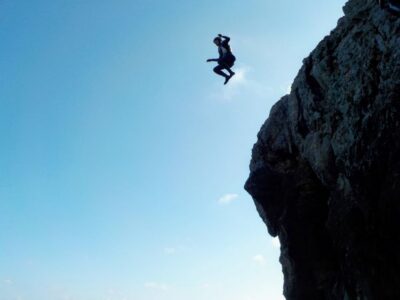
Coasteering Algarve: Cliff Jump, Swim & Climb in Sagres
Read our review →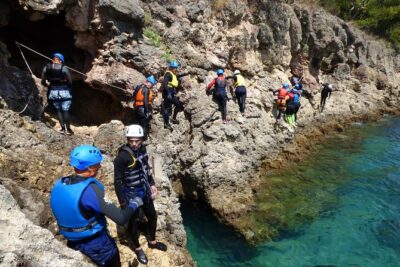
Browse the lists this tour appears in