
Reviewed · AZORES TOURS
Pico island: Climb Mount Pico, highest mountain in Portugal
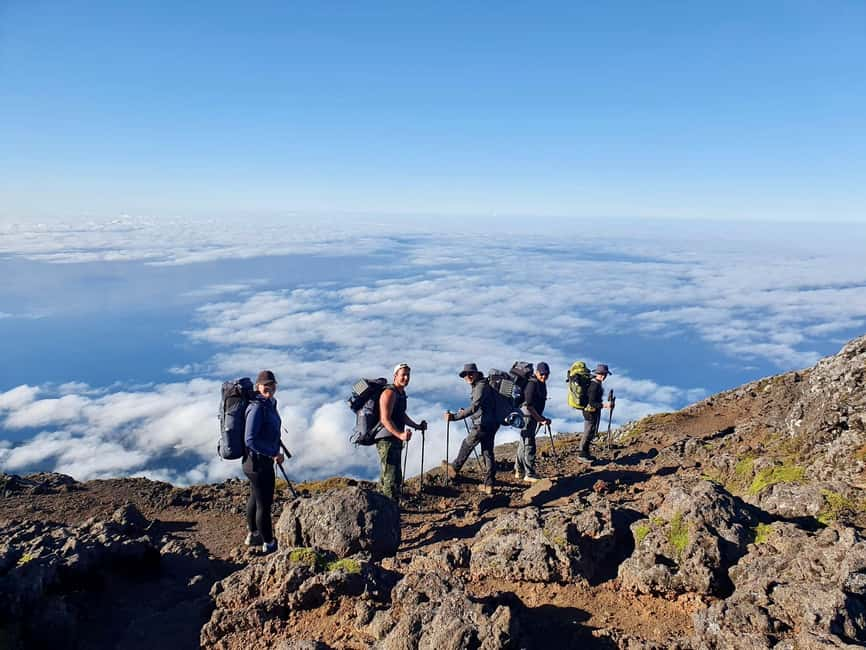
Reach Portugal’s highest point on foot. This demanding eight-hour climb up Mount Pico combines volcanic rock, native plants, expert guidance, and a huge 360-degree view from 2,351 metres above sea level. I like the way the experience teaches you about Pico’s geology as you climb, rather than treating the mountain as a simple uphill slog. I also like the careful pacing and personal attention praised in the guiding, especially from Steffie and Petro.
The main caution is simple: this is a serious mountain day. The descent can be harder than the climb, and the loose rock, sand, mud, steep slopes, and final hands-on section will test your legs. Good physical preparation and proper hiking footwear are essential, not optional extras.
In This Review
- Key things to know before climbing Mount Pico
- Starting at the Mountain House at 1,250 metres
- The first hours through Pico’s native plants and volcanic rock
- Reaching the crater after about three hours
- The final 15 minutes to Piquinho
- Why the descent takes three to four hours
- What the $91 price includes
- Who should book this climb
- Practical packing advice for the eight-hour day
- My verdict on Mount Pico with Hominis natura
- FAQ
- How long does the Mount Pico climb take?
- How high is Mount Pico?
- How far is the route?
- Is a guide included?
- What footwear do I need?
- Is the climb suitable for children?
- What should I bring?
- Can the climb be cancelled because of weather?
- What is included in the $91 price?
- Can I cancel the booking?
Key things to know before climbing Mount Pico
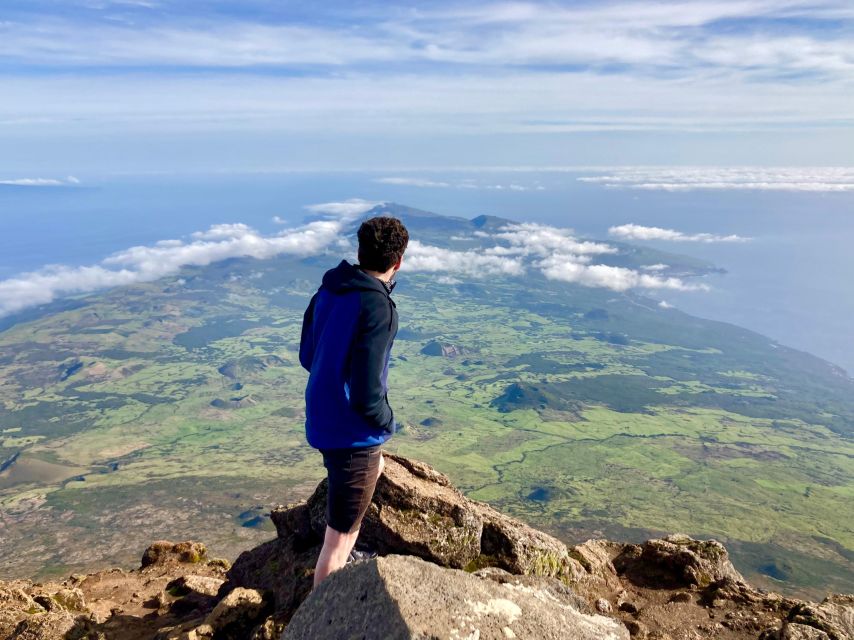
- The summit is 2,351 metres high: On a clear day, you may see the other islands of the central Azores group.
- The full outing lasts about eight hours: Plan for roughly three hours up, time around the crater and Piquinho, then three to four hours down.
- The route changes constantly: Expect mud, firm rock, loose volcanic rock, and sand across about 8 kilometres.
- The last 15 minutes use your hands: The final climb to Piquinho is steep enough that hand support helps with balance.
- The guide matters most on the descent: Certified guides set the pace, watch group safety, and show you how to move over unstable ground.
- The price includes key mountain costs: For $91 per person, you get the guide, reserve access, hiking poles, insurance, and a certificate.
Starting at the Mountain House at 1,250 metres
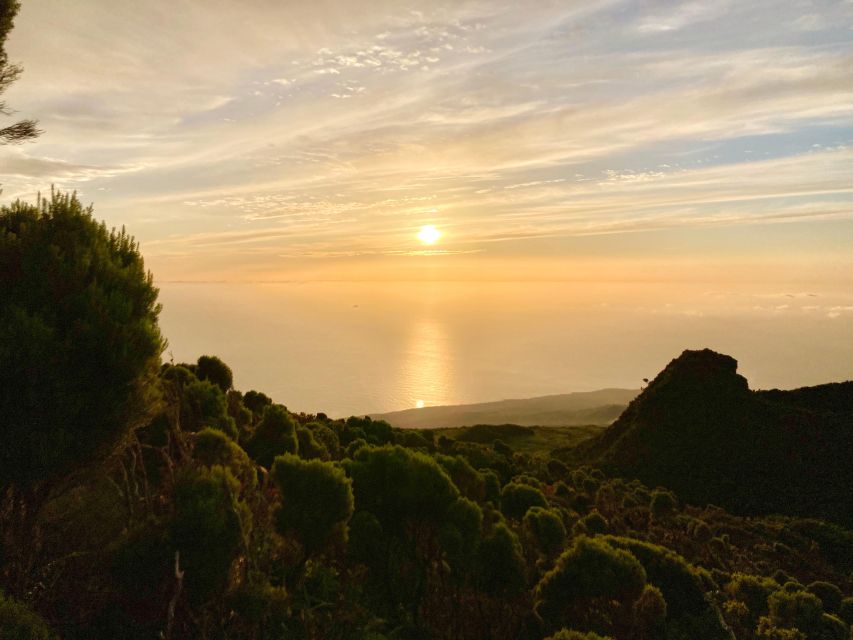
Your day begins at the Mountain House, the meeting point for the climb. Your guide will be inside, and the first formal step is a safety briefing lasting about 20 minutes.
That briefing is more important than it may sound. The first part of the route acts as a practical fitness check. If you struggle badly at this early stage, the guide may advise you to stop for your own safety and for the rest of the group. That can be disappointing, but it is a sensible rule on a mountain where the return trip can be harder than the ascent.
You should arrive ready to walk. Bring food, water, rain gear, sun protection, sunglasses, and clothing suited to changing weather. A daypack keeps your hands free, which becomes especially useful near the summit.
The mountain reserve also enforces its footwear rules. You must wear hiking boots or hiking shoes with a good grip. Sports shoes are not allowed, and the Natural Park can refuse access to anyone without suitable footwear. This is one rule you should take seriously. Smooth soles are a poor match for mud, loose stone, and volcanic sand.
A few more reviews worth comparing before you book
- From Ponta Delgada: Whale and Dolphin Watching Trip
★ 4.7 · 4,109 reviews - Azores Whale Watching & Islet Boat Tour
★ 4.6 · 2,146 reviews - São Miguel West: Full-Day Van Tour with Lunch
★ 4.9 · 1,948 reviews
The first hours through Pico’s native plants and volcanic rock
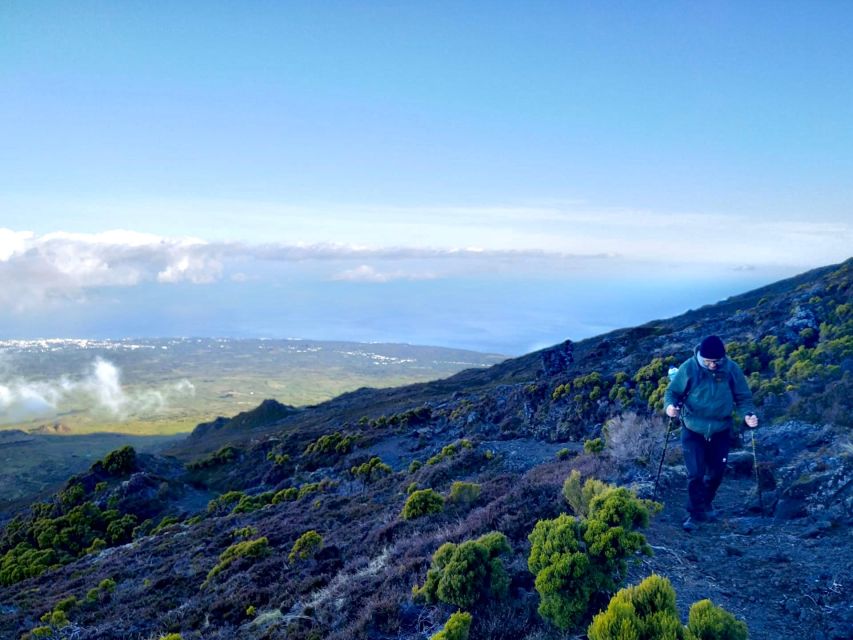
The climb begins among native vegetation, giving you a gentler introduction before the route grows steeper. Your guide explains the local plants and the geological shapes around you, so the walk has an educational side as well as a physical one.
I like this part because it gives the mountain some meaning. You are not simply counting metres to the top. You can watch the setting change as plant life gives way to more exposed volcanic ground and larger rock formations.
The terrain does not remain consistent for long. You may cross muddy sections, firm rock, loose stones, and sand. That variety is part of the appeal, but it also means your feet and ankles must keep adjusting. A hiking pole, included with the experience, can help with balance and reduce some strain on the way up.
The route gains about 1,100 metres from the starting elevation of 1,250 metres to the summit. That is a substantial amount of climbing in one day. A steady pace is far more useful than racing ahead early. The guide’s job is not simply to lead from the front. The strongest praise for the guiding focuses on setting a suitable pace for people moving at different speeds and helping the group stay together.
Guides speak English, Dutch, and Portuguese. Steffie is noted for explaining Pico’s history and sharing interesting facts about the mountain, while Petro is praised for good conversation and a friendly approach. The exact guide depends on the date, but these details give you a feel for the human side of the outing.
Reaching the crater after about three hours
The climb to the crater takes around three hours, though the exact time depends on weather, group pace, and how the terrain affects everyone. By this point, the gentle opening is behind you and the route has become a steep mountain hike.
The physical effort is rated difficult, while the technical difficulty is rated medium to difficult. That distinction is useful. You do not need advanced climbing skills, but you do need strength, balance, and comfort on uneven ground.
As you gain height, the scenery becomes more open and the geological character of Mount Pico becomes clearer. The solid rock sections require careful foot placement. Loose rock and sand require slower movement because your feet can slide or sink. The guide’s instructions matter here, especially if you are unused to volcanic terrain.
The group may include people with different levels of fitness. A good guide will adjust the pace without turning the outing into a race. Steffie is specifically praised for paying attention to different walking speeds, which is exactly the sort of practical care you want during a long climb.
You should also expect the weather to affect the experience. The activity can be cancelled just before departure if conditions are unsafe. Clear skies may give you the grandest views, but cloudy weather does not automatically ruin the climb. Reaching the summit and seeing the mountain close up can still be rewarding when the wider view is limited.
The final 15 minutes to Piquinho
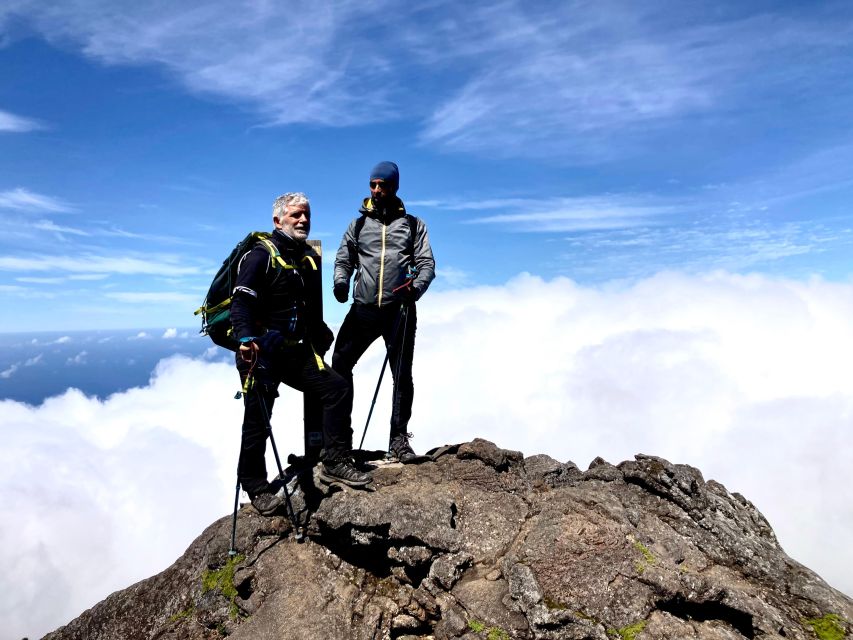
The summit section is called Piquinho, and the last 15 minutes require using your hands for greater stability. This is not a technical rock climb in the information provided, but it is more demanding than ordinary hiking.
You will want to keep your daypack secure and make sure your hands are free. Move slowly, follow the guide’s instructions, and do not treat the final section as a sprint. Fear of heights is listed as a reason not to take this outing, so you should be honest with yourself before booking.
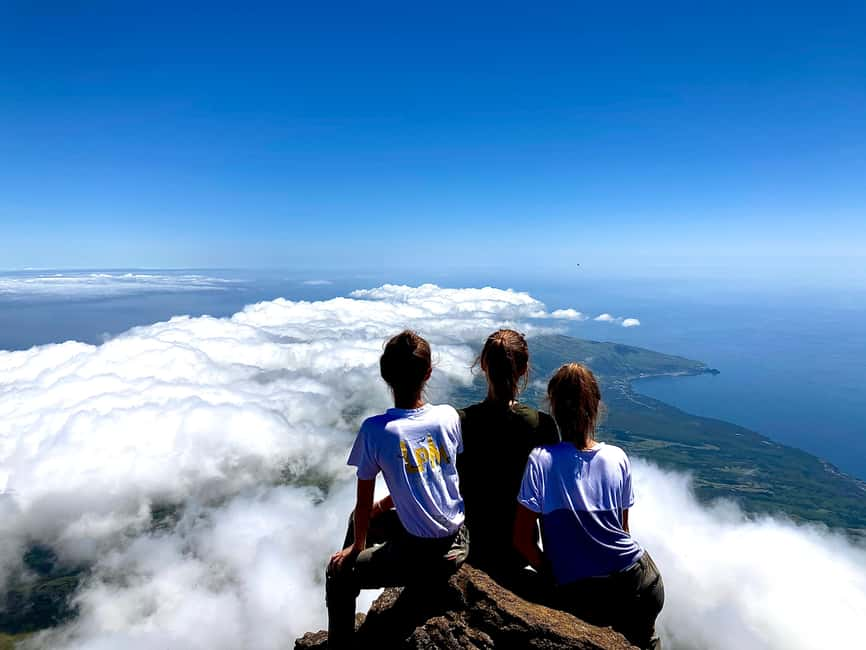
Once you reach the top, the reward is a 360-degree view from Portugal’s highest point. Depending on weather conditions, you may see all the islands in the central group. Even if clouds cover some of the view, the summit gives you a strong sense of the mountain’s scale and isolation.
This is the emotional high point of the day, but do not forget that you still have the descent ahead. Take time to enjoy Piquinho, but keep enough energy and water for several more hours on foot.
A different sort of day out around Azores:
- São Miguel West Full Day Tour with Setes Cidades Including Lunch
★ 5.0 · 1,391 reviews - São Miguel East Van Tour with Lunch: Furnas & Nordeste
★ 5.0 · 1,210 reviews - São Miguel East: Full-Day Van Tour with Lunch
★ 4.9 · 1,124 reviews - Azores Whale Watching & Islet Boat Tour
★ 4.5 · 1,059 reviews
Why the descent takes three to four hours
The descent follows the same route, yet it can be the hardest part of the day. Tired legs make balance more difficult, and loose rock and sand behave differently when you are moving downhill.
This is where the guide’s practical advice becomes especially valuable. You may need to shorten your steps, lower your centre of gravity, and place your feet carefully rather than simply walking down. A mild slip on the way downhill was handled promptly by Steffie, according to the supplied feedback, which highlights the sort of immediate support a guided group can provide.
Do not judge your readiness only by how well you climb. Many fit people find downhill movement harder on their knees and ankles. If you have back, heart, or respiratory problems, recent surgery, or a low fitness level, this activity is not suitable. It is also not suitable for pregnant women, wheelchair users, or children under 12.
The hiking poles included in the price are useful on this return section. Proper boots matter even more now because loose ground can shift beneath you. Rain can add mud and make already steep areas harder to manage.
The hike ends back at the Mountain House. There is no separate transport segment included, so plan your day around arriving at and returning to this meeting point.
What the $91 price includes
At $91 per person, this is a fair price for a regulated mountain climb with a certified guide. The fee includes access to the Mount Pico Natural Reserve, which is important because the reserve limits the number of people allowed on the mountain each day.
You also receive hiking poles, Allianz personal accident insurance, and a certificate at the end. The certificate is a small touch, but it gives you a physical reminder of completing Portugal’s highest peak.
The best value comes from the guide. Going independently might appear cheaper, but you would lose the route advice, safety oversight, pacing, geological explanations, and help on difficult ground. The mountain’s descent is specifically described as challenging for inexperienced hikers, so the guide is not just a formality.
You must provide your name, date of birth, and nationality when booking. This information is needed to reserve your place at the Mountain House, and the daily limit means you should not leave registration until the last minute.
The experience offers free cancellation up to 24 hours before departure and a reserve-now, pay-later option. The weather can still cause a cancellation just before the climb, so keep your wider Pico Island plans flexible.
Who should book this climb
I would recommend it to fit hikers who want a demanding full-day adventure and value instruction along with the summit. You should be comfortable walking for eight hours and handling steep, uneven ground.
It suits you particularly well if you want to understand Pico’s plants and volcanic geology while climbing. The guiding adds context without taking away the effort. You still earn the summit with your own legs.
It is not a good choice for a relaxed day out, a casual sightseeing group, or anyone hoping for a quick walk with a view. The physical effort is rated difficult, and the return journey can be the toughest section.
If your fitness is uncertain, think honestly about the first few hours and the need to descend for three to four hours afterward. The guide may stop someone who cannot safely continue, which protects the whole group but can make an unprepared booking an expensive disappointment.
The climb is also a poor fit if you dislike heights, struggle with respiratory conditions, or have any of the medical limitations listed for the activity. Ask a medical professional for advice if you are unsure about strenuous exercise at altitude.
Practical packing advice for the eight-hour day
Keep your packing simple and useful. Your daypack should hold enough food and water for the full outing, plus rain gear even if the morning looks clear.
Wear layers and choose clothing suited to the forecast. Pico’s conditions can change, and the activity may be cancelled when weather makes the route unsafe. Sunscreen and sunglasses are needed even on a cool day.
Your most important item is footwear. Use hiking boots or hiking shoes with a solid grip. Do not arrive in ordinary sports shoes, since access to the reserve can be refused.
A drone requires registration with ANAC, the Portuguese Civil Aviation Authority. If you plan to bring one, handle that registration before the activity rather than assuming you can use it on the mountain.
My verdict on Mount Pico with Hominis natura
I like this experience because it treats Mount Pico as both a physical challenge and a place worth understanding. You get a certified guide, reserve access, poles, accident insurance, and a certificate for $91, while the route gives you native vegetation, volcanic formations, crater views, and the highest point in Portugal.
The main weakness is not the provider. It is the mountain itself. Eight hours, 1,100 metres of ascent, steep loose terrain, and a difficult descent demand real preparation.
Book it if you are fit, properly equipped, and eager to work for a spectacular summit. Skip it if you want an easy scenic walk or have a medical condition that makes strenuous mountain activity unsafe. For the right hiker, the guided format offers strong value and useful support where it matters most.
FAQ
How long does the Mount Pico climb take?
The activity lasts about eight hours. The ascent to the crater takes around three hours, and the descent takes about three to four hours, with time at the summit included.
How high is Mount Pico?
The summit reaches 2,351 metres above sea level. The hike begins at about 1,250 metres.
How far is the route?
The route covers about 8 kilometres, with approximately 1,100 metres of ascent and 1,100 metres of descent.
Is a guide included?
Yes. A certified Pico Mountain Guide leads the climb. The available guiding languages are English, Dutch, and Portuguese.
What footwear do I need?
You must wear hiking boots or hiking shoes with a good grip. Sports shoes are not allowed, and the Natural Park may refuse access without suitable footwear.
Is the climb suitable for children?
The activity is not suitable for children under 12.
What should I bring?
Bring sunscreen, a daypack, hiking shoes, weather-appropriate clothing, food, rain gear, sunglasses, and water.
Can the climb be cancelled because of weather?
Yes. The activity depends on weather conditions and can be cancelled shortly before it begins.
What is included in the $91 price?
The price includes a certified guide, Mount Pico Natural Reserve access, hiking poles, Allianz personal accident insurance, and a certificate.
Can I cancel the booking?
You can cancel up to 24 hours in advance for a full refund. A reserve-now, pay-later option is also available.
Just added around Azores
- Private boat tour of the islets in Vila Franca do Campo★ 5.0 · 46 reviews
- Sete Cidades Azores 4×4 Day Tour from Ponta Delgada★ 4.9 · 46 reviews
- West Coast Van Tour (Half Day) | Terceira Island★ 4.9 · 46 reviews
- Full Day Guided Tour to Furnas with Lunch Included★ 5.0 · 46 reviews
- Full Day Outdoor Nordeste & waterfall Tour with Lunch★ 5.0 · 46 reviews
- São Miguel Island: Full-Day Sete Cidades Tour★ 4.9 · 46 reviews
- Half Day Guided Tour of Sete Cidades from Ponta Delgada★ 5.0 · 46 reviews
- Full-Day Sete Cidades Crater Lake and Fire Crater Lake Private Tour★ 5.0 · 47 reviews
Azores Tours, compared.
São Miguel West: Full-Day Van Tour with Lunch
Read our review →
São Miguel West Full Day Tour with Setes Cidades Including Lunch
Read our review →
São Miguel East Van Tour with Lunch: Furnas & Nordeste
Read our review →
São Miguel East: Full-Day Van Tour with Lunch
Read our review →
São Miguel Azores: Half-Day Whale Watching Trip
Read our review →Browse the lists this tour appears in