
Reviewed · PORT WINE CELLAR TOURS
Port Wine class with 3 or 5 Port tasting and pairings
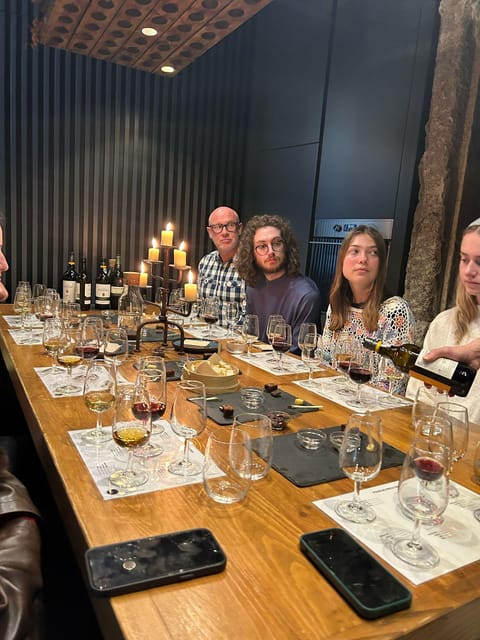
Port wine makes more sense after one good tasting. This compact class puts three or five Port styles beside Portuguese snacks in a small room across from Porto’s Palácio da Bolsa. I like the central location and the way the host explains both the wine and the story behind it. The main tradeoff is simple: this is a shop-based class, not a tour of a traditional Port cellar.
I also like the small groups of up to 10 people, which leave room for questions and conversation. Hosts such as Rui, Ruan, João, José, and Pedro have been praised for mixing clear explanations with humor, music, and warmth. If you want vineyard views or a longer visit in the Douro Valley, this one-hour-to-90-minute tasting will feel limited.
In This Review
- Key points to know before booking
- A Port class in the heart of Porto
- The opening lesson: how Port came to be
- Choosing three or five Port wines
- Pairings that make the tasting easier
- Why the small group matters
- The hosts bring more than bottle facts
- What the class does not include
- Is $23 a good price in Porto?
- Who should book this Porto experience?
- My practical booking advice
- Should you book the Port wine class?
- FAQ
- Where does the Port wine class take place?
- How do I find the tasting room?
- How long does the experience last?
- How many Port wines are included?
- What food is served with the Port?
- Is this a cellar tour?
- What language is the class offered in?
- How large is the group?
- Is the experience wheelchair accessible?
- Can I cancel my booking?
Key points to know before booking
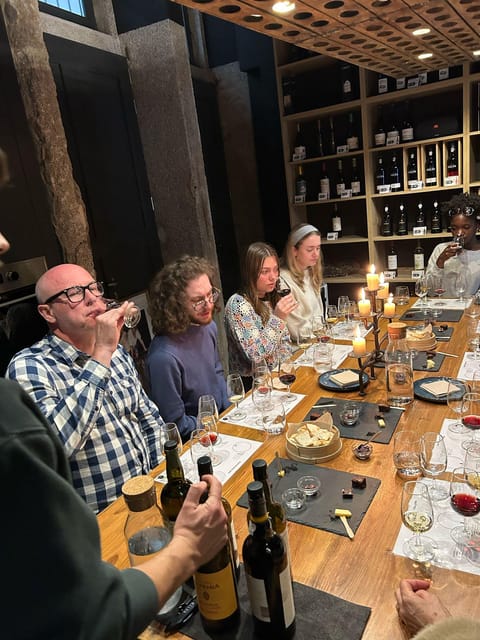
- Five pours give the best introduction: The longer option includes two White Ports, Tawny, Ruby Reserve, and Late Bottled Vintage Port.
- The class takes place in central Porto: You sit across from Palácio da Bolsa, rather than crossing the river to a Port cellar.
- Portuguese snacks are part of the lesson: Olives, fruit, chocolate, cheese, and brownie are matched with the wines.
- The host shapes the experience: Rui, Ruan, João, José, Pedro, and other hosts have been praised for humor, clarity, and personal attention.
- Small groups make questions easy: The maximum is 10 participants, and some sessions have only two to four people.
- The five-Port choice is better for curious drinkers: The three-Port version lasts about 45 minutes, while five Ports take about 1 hour and 15 minutes.
A Port class in the heart of Porto
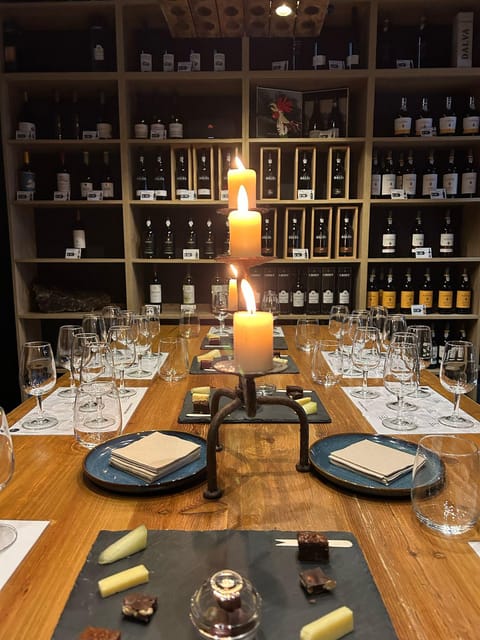
The setting is wonderfully convenient. The tasting room is in the same building as the wine shop, directly opposite Palácio da Bolsa in Porto’s city center. That puts you close to several major sights, so you can fit the class between sightseeing stops instead of giving up half a day for transport.
There is one practical detail to watch. You are asked to check in at the tourist office because the class room is inside the same building. The meeting point is described as the shop in front of Palácio da Bolsa, but the storefront may not look exactly like a dedicated wine cellar. I would arrive a few minutes early and look for the tourist office or shop entrance rather than wandering around searching for barrels and tasting rooms.
This is an indoor experience, with air conditioning noted as a welcome break on a sunny Porto afternoon. The room is intimate and arranged for a small group. One participant found the long benches less comfortable than chairs, so comfort is not the main selling point. The real attraction is the close contact with the host.
More Food Tours in Porto
- From Porto: Douro Valley w/ Boat Tour, Wine Tasting & Lunch
★ 4.7 · 19,061 reviews - Douro Valley Small-Group Tour with Wine Tasting, Lunch and Boat
★ 5.0 · 3,642 reviews - Porto: Cálem Cellar Tour, Fado Show & Wine Tasting
★ 4.4 · 3,530 reviews
The opening lesson: how Port came to be
The class begins with an introduction to Port wine. You learn how and why Port was created, then follow its development to the present day. That background matters because Port is not simply sweet red wine poured after dinner. Its production, styles, and place in Portuguese culture all help explain why the bottles taste so different.
The best part of this opening is that it gives you a way to understand the glasses in front of you. Instead of tasting five unrelated wines, you get a framework for comparing color, sweetness, texture, age, and style. The hosts also explain how the wine is produced, where the grapes are grown, and how Port connects Porto with Vila Nova de Gaia and the Douro Valley.
The teaching style seems to be conversational rather than formal. Rui has been singled out for combining information with jokes and easy conversation, while João has been praised for clear, professional explanations. Ruan is described as especially entertaining, with one account calling him a kind of Swiss Army knife because of his many talents. That playful tone is useful if you are new to wine classes and do not want a lecture packed with technical terms.
You should still expect the quality of the session to depend partly on the host and the mood of the group. Some guides add music or a surprise at the end, but those extras are not guaranteed as part of the fixed program. Think of them as possible bonuses, not promises.
Choosing three or five Port wines
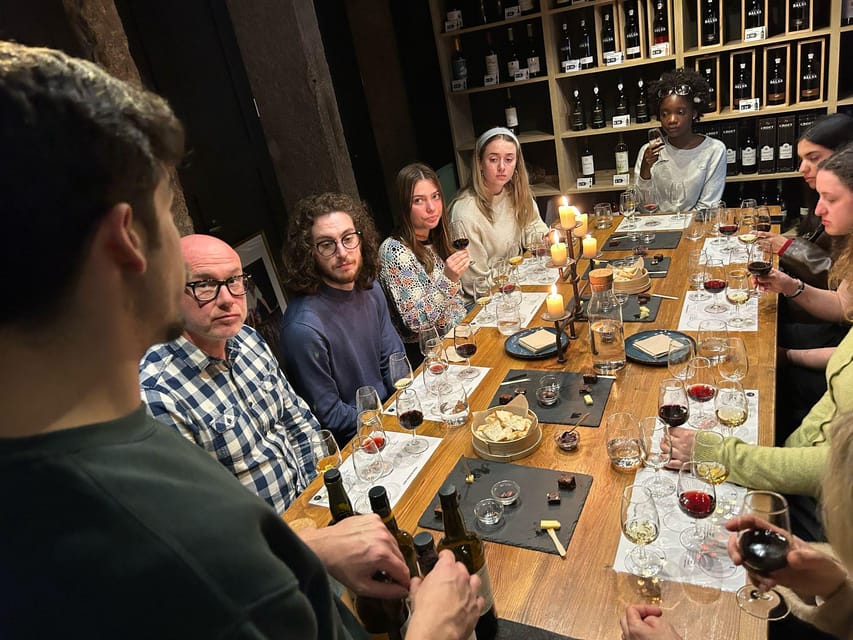
You can select a tasting of three or five Ports. The three-Port option takes around 45 minutes. The five-Port option usually takes about 1 hour and 15 minutes, though questions can stretch the session toward 90 minutes.
The five-wine lineup includes:
- Two White Ports
- One Tawny Port
- One Ruby Reserve Port
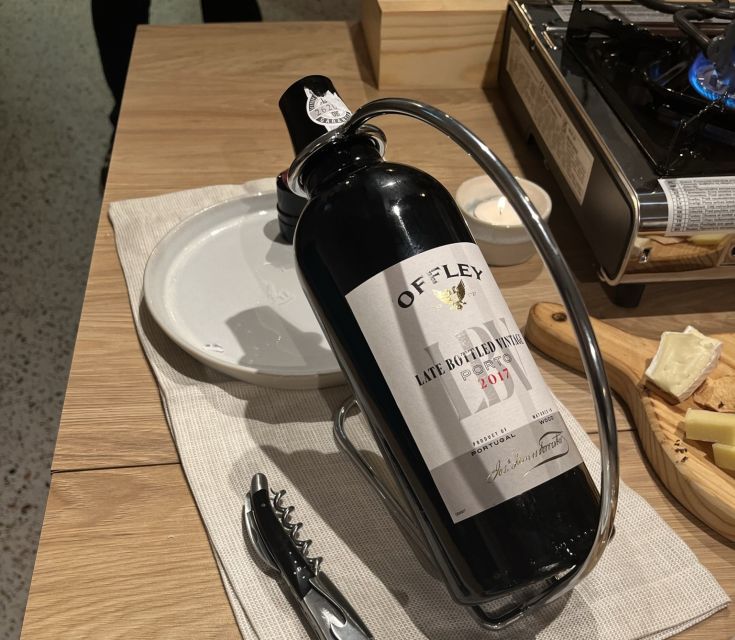
- One Late Bottled Vintage Port
This is a useful spread for a first introduction. You get to see that Port is not limited to the dark, sweet style many people first imagine. The two White Ports let you compare variations within one family, while Tawny, Ruby Reserve, and LBV show different approaches to color, age, and flavor.
The exact three-Port selection is not specified, so I would choose five if your schedule and interest allow. One person who booked the shorter tasting enjoyed it but wished they had selected the five-Port option. That is a fair warning: the three-glass class is a quick orientation, while the five-glass class gives you a much better sense of Port’s range.
The pours have also been described as generous, with enough wine to make meaningful comparisons. A few sessions included a top-up of a favorite drink. That is a pleasant possibility, but it should not be treated as a guaranteed part of every booking.
Pairings that make the tasting easier
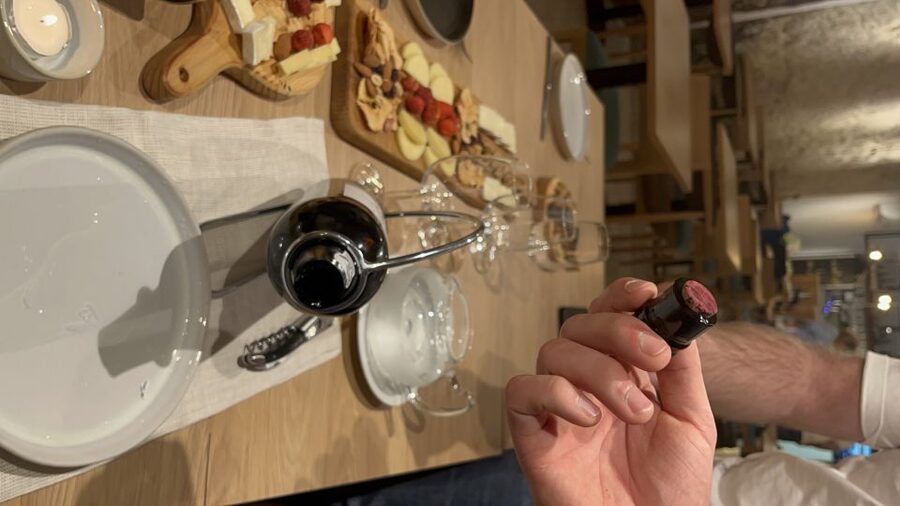
Each Port is served with Portuguese snacks. The pairings include olives, fruit, chocolate, cheese, and brownie. These are not just filler on the table. Food changes how you perceive sweetness, acidity, and weight, so tasting with a bite gives you a better idea of how to serve Port outside the class.
The pairings also keep the tasting from becoming a parade of sweet sips. Chocolate and brownie make sense with fuller Port styles, while cheese, fruit, and olives offer different contrasts. Several participants praised the quality and presentation of the food, and one person who normally avoids olives was surprised by how much they enjoyed them.
I like this approach because it gives you practical information for later meals. You can begin to notice which Port works with dessert, which can balance salty food, and which style you prefer on its own. The snacks are included in the $23 price, so you are not paying extra for the food that makes the tasting more useful.
Still, this is a tasting, not a full meal. The portions have been called good and generous, but you should not book it as a substitute for lunch or dinner.
More Wine Tours in Porto
- Complete Douro Valley Wine Tour with Lunch, Wine Tastings and River Cruise
★ 5.0 · 12,920 reviews - Porto: Live Fado Show with Glass of Port Wine
★ 4.8 · 6,498 reviews - Douro Valley: Wine Tour with Lunch, Tastings & River Cruise
★ 4.6 · 6,081 reviews - Douro Valley: Historical Sites, Wine Experience, Lunch & Cruise
★ 5.0 · 5,133 reviews
Why the small group matters
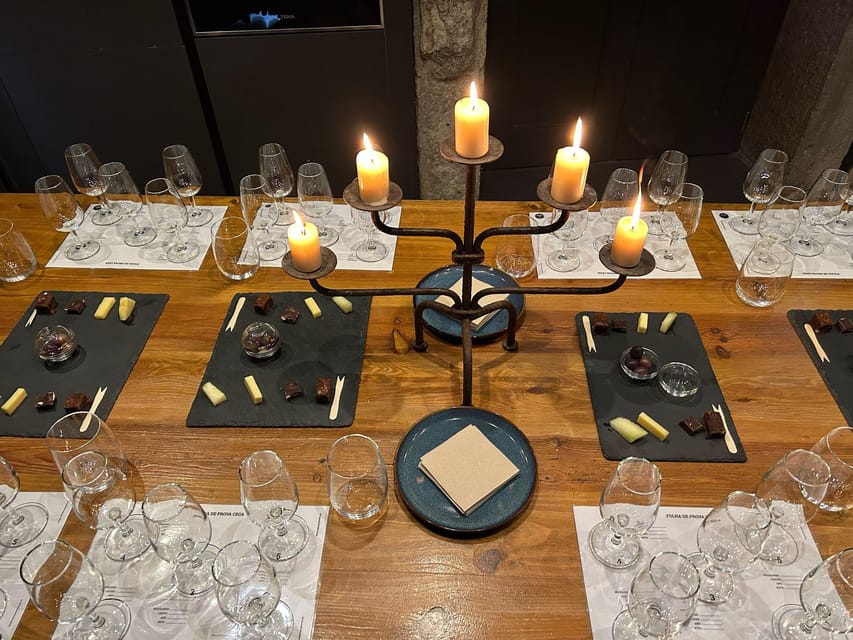
The class is limited to 10 participants. That number is small enough for the host to answer questions, move around the table, and involve people in the discussion. It also gives solo visitors an easy way to meet others without signing up for a large bus tour.
The social side seems to be one of the strongest features. Solo participants have ended up sharing the table with couples and other independent visitors, and some groups continued on for drinks afterward. The international mix can include people from the United Kingdom, the United States, Norway, Japan, Italy, Sweden, Canada, and elsewhere.
Of course, a small group does not guarantee instant friendship. A quiet group will create a calmer class, while an outgoing one may turn the hour into a lively conversation. The host appears to play a big part in setting that tone. Rui, Ruan, João, and others are repeatedly praised for making everyone feel involved rather than speaking only to the wine experts.
For a private experience, this is not quite the same as booking a private class. You may share a table with up to nine other people. But because the maximum is low, it should feel far more personal than a large commercial tasting.
The hosts bring more than bottle facts
The most highly praised part of this class is the hosting. The guides are described as warm, funny, generous, and passionate about Porto and Port wine. That combination matters. A technically correct tasting can still feel stiff, while a friendly host helps you ask basic questions without feeling out of place.
Rui receives particular praise for holding a good conversation and making the group laugh. Ruan is described as both entertaining and informative. João is praised for explaining the wines with clarity and enthusiasm, while José and Pedro are also noted for their strong presentation.
Some sessions have included unexpected entertainment. One host played guitar and sang flamenco and fado after the tasting. Another account mentions a surprise ending, but the details are best left unknown. These touches can make the class feel like a small Porto cultural experience rather than a simple flight of wine.
The sensible expectation is to book this for the wine instruction first. If music or another flourish appears, enjoy it as an extra. The core program is the history lesson, the tasting, and the food pairing.
What the class does not include
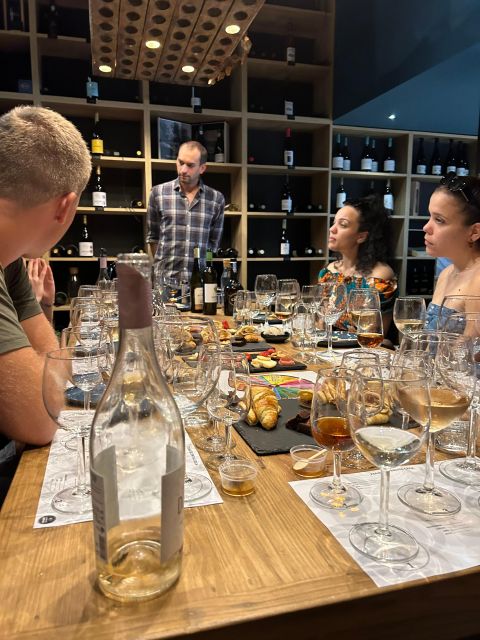
The biggest limitation is the location. You are not visiting a Port-making cellar, vineyard, or aging warehouse. You are in a room inside a central Porto shop, which makes the class easy to reach but removes the atmosphere of a traditional cellar.
You also do not travel into the Douro Valley. One participant said they would have liked a longer tour in the wine area, while another recommended looking into a separate Douro trip or hike. That is useful planning advice: use this class to learn the basics, then add a dedicated wine-region excursion if you want vineyards and rural scenery.
The experience is also conducted in English. An English-speaking host or greeter is provided, and the listed language is English. If you need another language, this activity may not fit your plans.
The room is wheelchair accessible. Seating may be on benches rather than individual chairs, so anyone who needs a particular type of seat should keep that in mind.
Is $23 a good price in Porto?
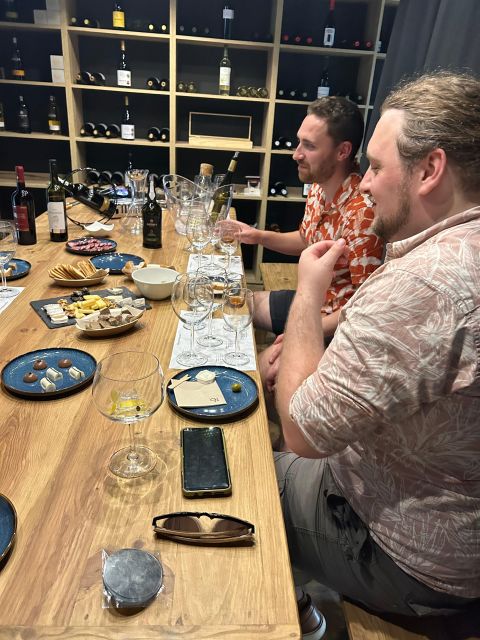
At $23 per person, the value is strong if you want an organized introduction to Port. You receive three or five pours, Portuguese snacks, a history lesson, and access to a host who can explain differences between styles and production methods.
The five-Port option makes the price especially appealing. It gives you five distinct reference points without requiring a trip across the river or a longer wine tour. You also save the time and transport cost of reaching a cellar outside the center.
The three-Port option is better if your schedule is tight or you want a short introduction before dinner. It is enough to learn the basic story and sample several styles, but the shorter format leaves less room for comparison. I would pay for five unless you have another tasting planned or a packed sightseeing day.
The rating of 4.9 from 441 reviews supports the idea that the class delivers consistent value, though no tasting suits every palate. If you already have strong Port knowledge, you may find the history section familiar. For a first-time drinker, the price is easier to justify.
Who should book this Porto experience?
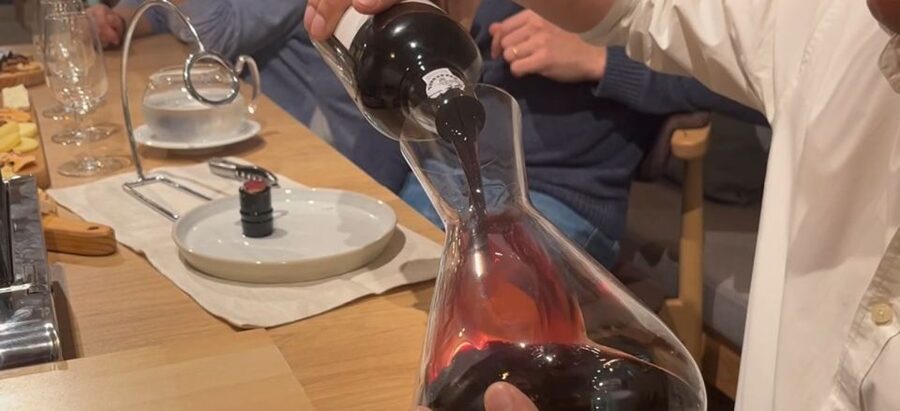
I would recommend it most strongly for:
- First-time Port drinkers who want an easy introduction
- Couples looking for a relaxed indoor activity
- Solo visitors who enjoy meeting people around a shared table
- Wine fans with limited time in Porto
- Anyone who wants to compare White, Tawny, Ruby Reserve, and LBV styles
- Visitors who prefer explanation and conversation over a large group tour
Families with children may find the alcohol-centered format less suitable, though the activity is wheelchair accessible. People seeking a cellar tour, vineyard visit, or full meal should choose a different experience or add one afterward.
The central location also makes it useful on a rainy day or during hot weather. You can learn about Port without spending time on transport. Just remember that the convenience comes at the cost of a cellar setting.
My practical booking advice
Choose five Ports if you can spare about 75 minutes. The wider range is where the class earns its keep, and it gives you a better chance of finding a style you genuinely like.
Arrive early enough to locate the correct entrance. Check in at the tourist office in the building, and remember that the room is connected to the shop across from Palácio da Bolsa. Do not assume you should be looking for a separate cellar.
Bring questions. The session can last longer when people ask about production, grape growing, Porto, Gaia, or the Douro Valley. If you want a quiet, fixed-length tasting with no discussion, this may feel less predictable.
You can cancel up to 24 hours before the activity for a full refund, and the reserve-now, pay-later option keeps your plans flexible. Starting times vary, so check availability for your date.
Should you book the Port wine class?
Yes, if you want a friendly and affordable first lesson in Port right in central Porto. The five-wine option offers the best value, and the mix of White, Tawny, Ruby Reserve, and LBV gives you a useful range to compare.
Skip it if your priority is a real cellar, vineyard scenery, or a full-day Douro experience. For everyone else, this is a smart way to understand the drink that gives Porto much of its identity, with good snacks, a small table, and hosts who know how to keep the lesson lively.
FAQ
Where does the Port wine class take place?
It takes place inside a shop in Porto city center, directly across from Palácio da Bolsa. The tasting room is in the same building as the tourist office.
How do I find the tasting room?
Check in at the tourist office in the building. The meeting point is the shop located in front of Palácio da Bolsa.
How long does the experience last?
The three-Port option takes about 45 minutes. The five-Port option takes about 1 hour and 15 minutes, with the full activity lasting between one hour and 90 minutes depending on questions.
How many Port wines are included?
You can choose between three or five Port tastings. The five-Port option includes two White Ports, one Tawny Port, one Ruby Reserve Port, and one Late Bottled Vintage Port.
What food is served with the Port?
The wines are paired with olives, fruit, chocolate, cheese, and brownie.
Is this a cellar tour?
No. The experience takes place in a room inside a central Porto shop, not in a Port wine cellar.
What language is the class offered in?
The listed language is English, and an English-speaking host or greeter leads the activity.
How large is the group?
The activity is limited to a maximum of 10 participants.
Is the experience wheelchair accessible?
Yes, the activity is listed as wheelchair accessible.
Can I cancel my booking?
Yes. You can cancel up to 24 hours in advance for a full refund. A reserve-now, pay-later option is also available.
More Vineyard Visits and Tastings
- Authentic Small Group Douro Wine Tour with Lunch & River Cruise
★ 5.0 · 4,775 reviews - Douro Valley Tour: 2 Vineyard Visits, River Cruise, Winery Lunch
★ 5.0 · 3,542 reviews - Porto: Douro Valley Tour with Wine Tasting, Cruise and Lunch
★ 4.7 · 2,714 reviews - Douro Valley Tour: Wine Tasting, Cruise and Lunch from Porto
★ 4.5 · 2,645 reviews
More Port Cellar Visits
- Porto: Cockburn’s Port Lodge Tour and Tasting
★ 4.8 · 3,360 reviews - Porto: Bridges Cruise with Wine Cellar Tour or Sunset Option
★ 4.1 · 2,758 reviews - Porto: Authentic Fado Show, Port Wine & Handmade Instruments
★ 4.8 · 2,737 reviews - Porto: City Train Tour, River Cruise & Wine Cellar
★ 3.9 · 2,601 reviews
Just added around Porto
- Matosinhos: Conservas Pinhais Factory Tour★ 4.8 · 173 reviews
- Private Geres National Park Tour with Lunch and Transfers★ 5.0 · 174 reviews
- Porto: Tour on the Douro River in a Classic Boat★ 5.0 · 178 reviews
- Porto: Santiago de Compostela and Valença do Minho Day Trip★ 4.5 · 181 reviews
- Porto: 6 Bridges Port Wine River Cruise with 4 Tastings★ 4.8 · 182 reviews
- Private Rafting Experience in Melgaço★ 5.0 · 186 reviews
- Tile Painting and Cocktails in Downtown Porto★ 5.0 · 187 reviews
- Porto: Combined Ticket for WOW Cultural District★ 4.7 · 188 reviews
Port Wine Cellar Tours, compared.

Live Fado Show with Port Wine in Historic Center
Read our review →
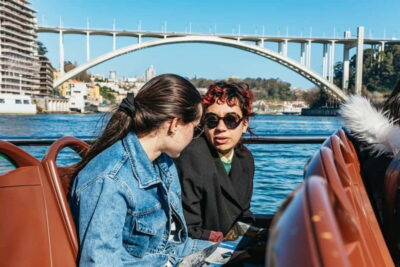
Bridges Cruise with Wine Cellar Tour or Sunset Option
Read our review →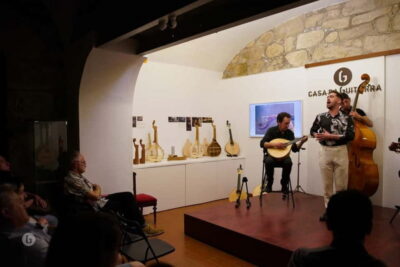
Authentic Fado Show, Port Wine & Handmade Instruments
Read our review →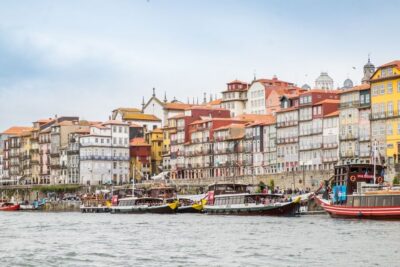
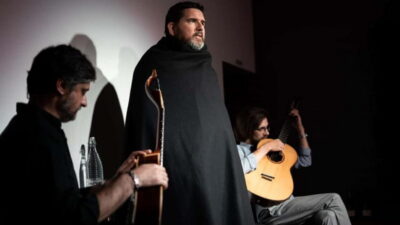
Live Fado Concert with Glass of Tawny Port Wine
Read our review →
Port Wine Lodges Tour Including 7 Port Wine Tastings (English)
Read our review →Browse the lists this tour appears in