
Reviewed · FOOD & DRINK
Porto: Burmester Cellar Tour with Tasting & Pairing Options
Port tastes better with a story. At Burmester Cellars, you get a compact lesson in Port wine, a handsome setting beside the Luiz I Bridge, and a tasting that fits neatly into a busy Porto day. I like the clear explanation of Port production and the chance to try styles including white, ruby, and tawny. I also like the friendly guides, with Hugo, Bruno, and Fernando singled out for their humor and strong presentations.
The main caution is that this is a short, popular tour, not a quiet private cellar visit. Groups can reach around 50 people, and noise in the tasting room may make it hard to hear. The actual cellar talk can last about 25 to 30 minutes, followed by the tasting, so choose it for a useful introduction rather than a long wine study.
In This Review
- Key points to know before you go
- Why Burmester works well for a first Port tasting
- Finding the cellar beside the Luiz I Bridge
- What happens during the 25-minute cellar visit
- The tasting: white, ruby, and tawny Port
- Group size and the sound factor
- Is $25 a fair price?
- The guides make the short format work
- Who should book Burmester Cellars?
- Practical tips for a better visit
- FAQ
- Where does the Burmester Cellar tour start?
- How long does the experience last?
- How many Port wines are included?
- Does the premium option include chocolate?
- Which languages are available?
- Can children drink the Port?
- Should you book this Porto wine experience?
Key points to know before you go
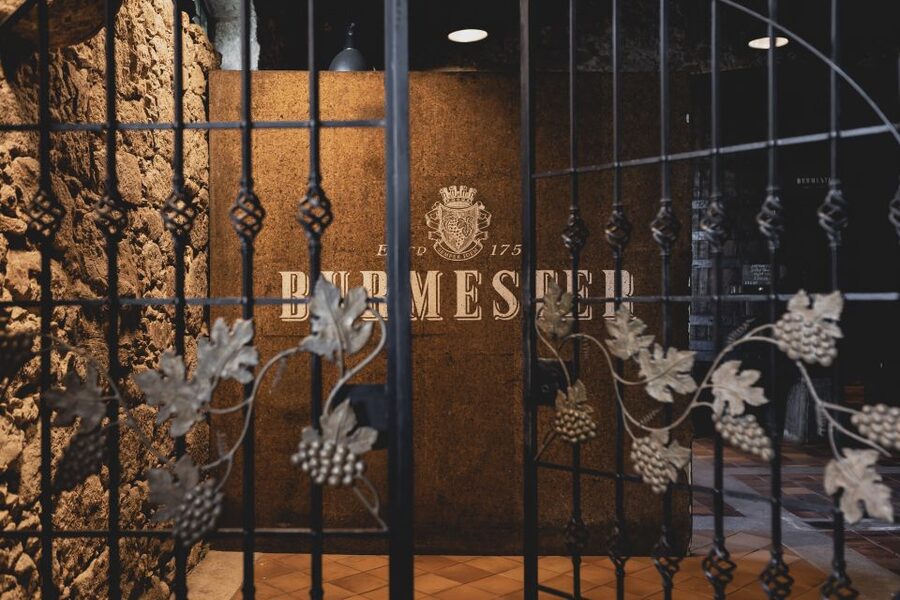
- A prime Gaia location: Burmester Cellars sits at Largo Dom Luís I, right beside the Luiz I Bridge.
- About one hour total: Expect a short cellar visit followed by a tasting, with some tastings lasting longer at your table.
- Two tasting levels: The standard option includes two Port wines; the premium choice includes three and chocolate.
- Strong guide-led experience: Hugo, Bruno, and Fernando are among the guides praised for clear, lively explanations.
- Good for first-time Port drinkers: You learn the basic production process and taste several Port styles without giving up half a day.
- Potential crowd noise: A large group or a noisy party in the next tasting room can affect how well you hear the guide.
Why Burmester works well for a first Port tasting
Port wine can seem simple until someone explains the difference between ruby, tawny, white, and older styles. Burmester gives you that basic framework without asking you to commit to a full winery day in the Douro Valley.
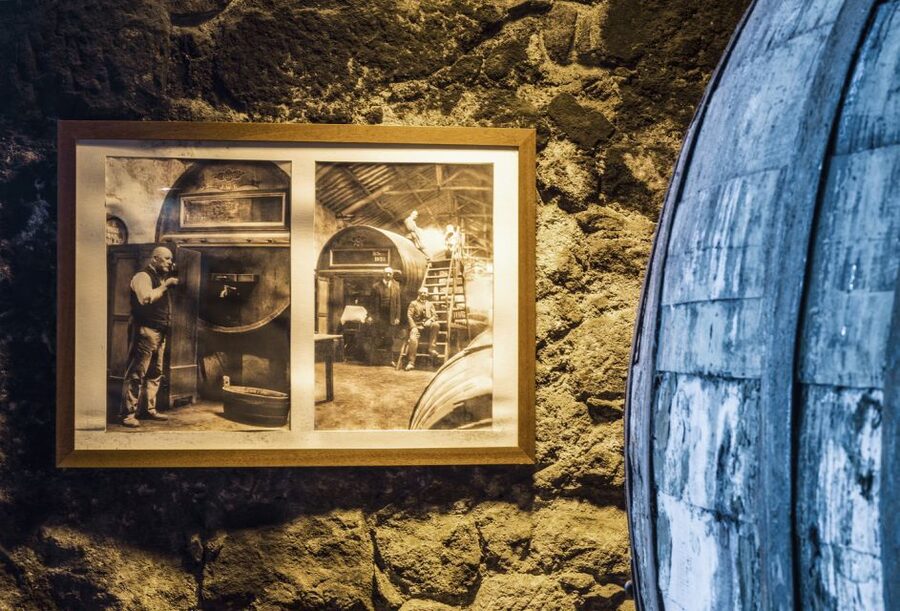
The company began in London in 1730, when Henry Burmester joined John Nash to form Burmester, Nash & Co. The business later operated from Vila Nova de Gaia, where Port firms traditionally stored and shipped their wines. That setting matters. You are not only hearing about a famous Portuguese drink. You are standing in the part of Porto built around its aging, blending, and export trade.
I especially like the way the experience joins history to tasting. A long list of dates would be dull, but the story helps explain why Gaia has so many Port cellars and why the riverfront is such an important part of Porto’s identity.
Burmester also makes Douro DOC wines. The Douro DOC designation refers to the controlled wine region and its regulated production. Your guide explains how Port is made and how the production process connects the vineyards of the Douro with these cellars in Gaia.
Do not expect a technical winemaking seminar. The strength here is the accessible introduction. You can ask questions, learn the main terms, and then taste the wines with a better sense of what is in your glass.
More Portuguese food and wine outings:
- From Porto: Douro Valley w/ Boat Tour, Wine Tasting & Lunch
★ 4.7 · 19,061 reviews - Winner 2025 Undiscovered Lisbon Food & Wine Tour by Eating Europe
★ 5.0 · 6,390 reviews - Porto: Cálem Cellar Tour, Interactive Museum & Wine Tasting
★ 4.5 · 4,113 reviews
Finding the cellar beside the Luiz I Bridge
The meeting point is Caves Burmester, Largo Dom Luís I, 4400-111 Vila Nova de Gaia. The location is one of the best parts of the experience because the cellar sits next to the Luiz I Bridge, one of Porto’s most recognizable structures.
Allow a little time to get your bearings around the bridge. The address is easy to locate once you are at the Gaia riverfront, but the area can be busy with people crossing between Porto and Vila Nova de Gaia. The bridge itself gives you a fine visual introduction to the two-city setting of the Port trade.
You return to the same place after the tour. That makes Burmester easy to pair with a walk along the Gaia riverfront, another cellar visit, or time near the bridge. Since the organized portion lasts only about an hour, it does not swallow your afternoon.
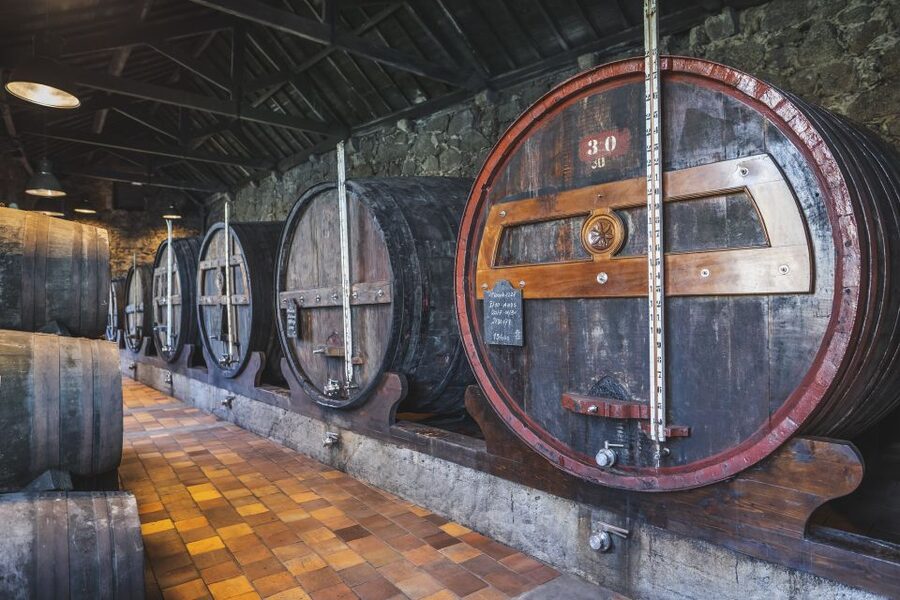
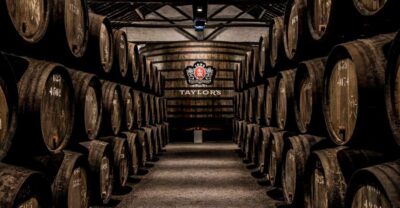
The cellar setting has a rustic, welcoming feel, according to the descriptions of the experience. You should expect a working wine venue rather than a polished modern museum. That is a plus if you want atmosphere, though the compact rooms can feel crowded when several groups arrive together.
What happens during the 25-minute cellar visit
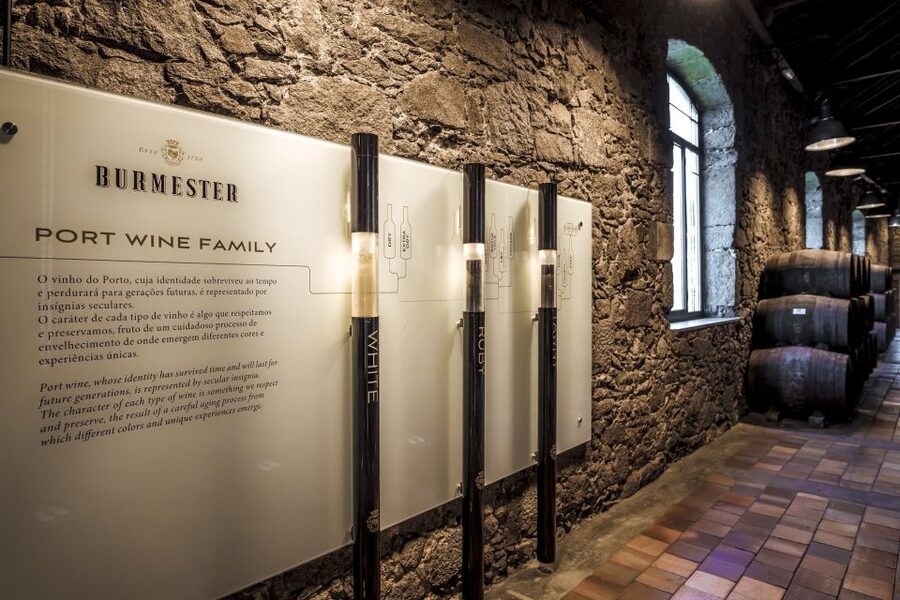
The tour starts with an expert guide leading you through Burmester Cellars. The cellar portion generally lasts about 25 to 30 minutes, though the full visit runs close to an hour once the tasting is included.
Your guide introduces Burmester’s past and explains the connection between the company, Porto, and the Douro Valley. You then learn the broad stages of Port production. The talk gives you useful context for the tasting, especially if Port is new to you.
Guides are central to the quality of this experience. Hugo is praised for an engaging presentation that helped one group discover a new liking for white Port. Bruno is described as lively and clear, while Fernando received strong praise for making the story easy to follow. Other guides are reported to be friendly, funny, and passionate about the subject.
That personal touch is important because the physical cellar visit is fairly brief. You are not spending hours among barrels. The guide supplies much of the value by turning the rooms, wines, and company story into something you can understand.
You may see barrels and parts of the wine operation, but the supplied information does not promise a particular production display or bottling demonstration on every visit. Go in expecting an explanation of the cellar and the Port process, not a full behind-the-scenes factory tour.
There is also a staircase leading to the tasting room. If stairs are a concern, keep this detail in mind before booking. The available information does not provide a full accessibility description, so you should contact the provider directly if you need specific arrangements.
The tasting: white, ruby, and tawny Port
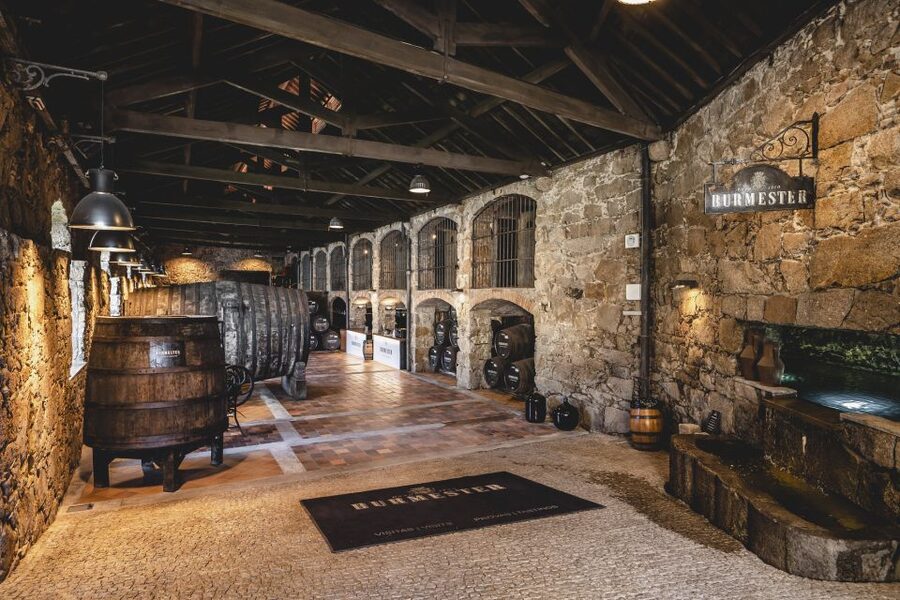
After the cellar talk, you sit down to taste the wines. The standard choice includes two Port wines. The premium option includes three Port wines and chocolate tasting.
The exact pours depend on the option selected, but the experience gives you a chance to compare different expressions of Port rather than treating the drink as one single style. White Port can surprise people who know only the dark, sweet versions. Ruby Port tends to offer a more direct fruit character, while tawny Port gives you a different style with its own flavor and aging profile.
I recommend paying attention to how the wines differ instead of rushing toward a favorite. Smell each pour first. Take a small sip, then another after trying the chocolate if you choose the premium option. The pairing can change how the wine tastes, and it gives the tasting a more playful finish.
The premium option costs more, so the choice depends on what you want from the visit. If you are mainly after a quick introduction and a couple of samples, the standard tasting should do the job. If you enjoy food pairings or want to compare three wines, the upgrade is more appealing.
Some descriptions of the experience refer to pairing choices involving cheese and chocolate, while the stated premium inclusion is chocolate. Check the exact option at booking so you know which food items are included. Do not assume that every premium ticket contains a large plate of food. One comment specifically found the cheese and chocolate portion smaller than expected.
The tasting room can be the most enjoyable part of the visit, but it is also where crowding matters most. A quiet group lets you focus on the wine and ask questions. A rowdy group, or a party in a nearby room, can make the guide difficult to hear.
A different sort of day out around Portugal:
- The Unvanquished Tour in Porto City Center
★ 5.0 · 26,497 reviews - Lisbon City Center Tour – The Unmissable Lisbon
★ 5.0 · 22,234 reviews - Lisbon: Sintra, Pena, Regaleira, Cabo da Roca & Cascais
★ 4.7 · 19,656 reviews - Sintra: Pena Palace and Park Entrance Ticket
★ 4.2 · 17,410 reviews
Group size and the sound factor
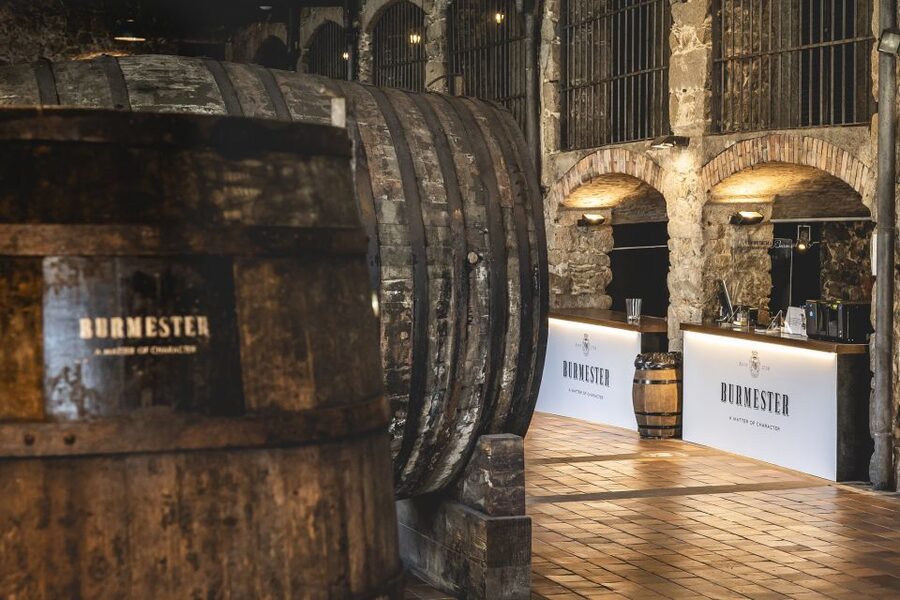
This is not always an intimate tasting. One account describes a group of about 50 people, which is large for a cellar presentation. Other visits seem to have felt more relaxed, but you should be prepared for the possibility of a busy session.
The tour is monolingual. Sessions are held separately in Portuguese, German, Italian, Spanish, English, or French, rather than mixing all languages in one talk. That is helpful because the guide can keep a natural pace in one language.
English-language tours received strong praise for clear delivery, but no guide can fully overcome a loud room. If hearing every detail matters to you, arrive on time and stay close enough to the guide during the cellar talk. At the tasting, listen for the explanation before the room gets busy with conversation.
The large-group risk does not ruin the experience, but it changes your expectations. Burmester is a good value introduction to Port. It is less reliable as a calm, private wine lesson.
Is $25 a fair price?
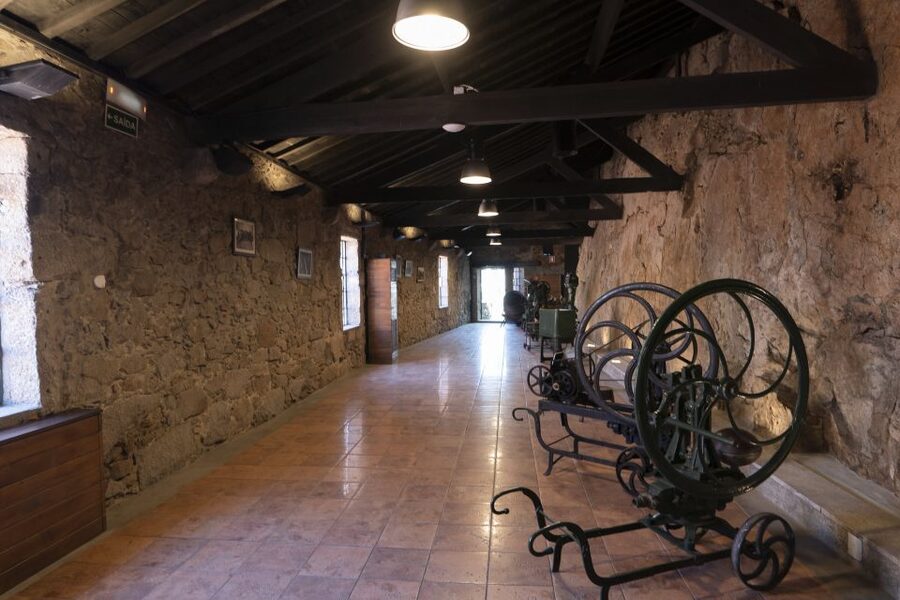
At about $25 per person, the experience offers reasonable value for Porto. You receive a guided cellar visit, a history and production explanation, and two or three Port tastings depending on your ticket. The premium option also includes chocolate.
The one-hour length helps the value. You can fit Burmester into a day of sightseeing without sacrificing a major block of time. A longer, more elaborate cellar program might offer more wine or food, but it would also demand more time and usually cost more.
The value is strongest for first-time visitors to Porto or anyone who has never learned how Port is made. You get enough information to make other tastings more rewarding. You also have a chance to find out if white, ruby, or tawny Port suits your taste before buying a bottle.
The experience is less compelling if you already know Port well and want rare or aged wines. The standard tasting focuses on a short selection, and one tasting group found the ruby and tawny pours less impressive than expected. That group asked to sample an older wine and enjoyed it enough to buy a bottle, but you should not assume that a premium or older pour is part of the regular ticket.
The cellar shop can tempt you into carrying a bottle home. That is not necessarily a problem, but remember that the tasting is designed partly to introduce you to Burmester’s range. Taste first, buy only if you genuinely like the wine.
The guides make the short format work
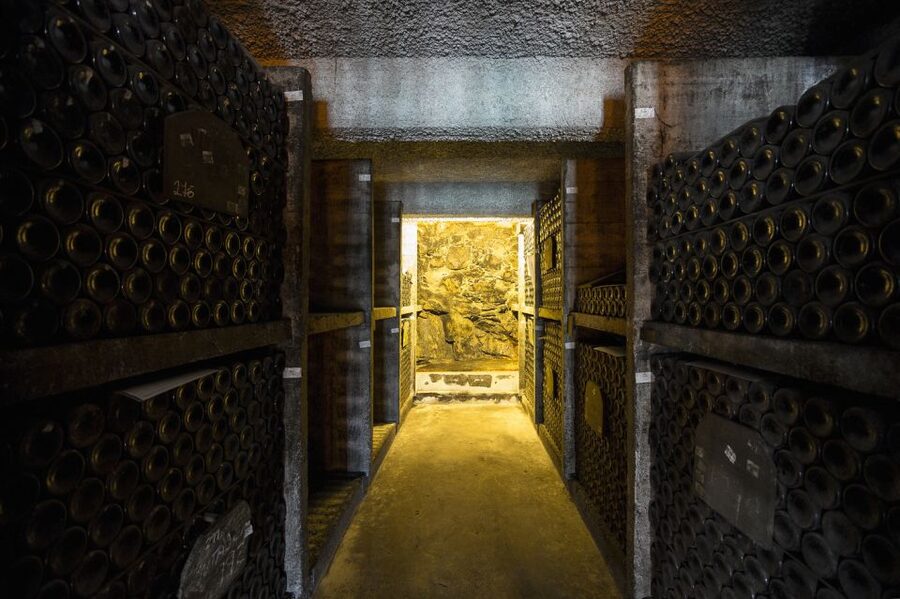
A short tour depends heavily on presentation. Burmester seems to understand that. The most praised guides are lively without turning the visit into a comedy act.
Hugo is noted for making the talk engaging and for opening one group’s eyes to white Port. Bruno is described as a lovely guide who explained how Port is made and introduced the different types clearly. Fernando received praise for an informative tour that made the cellar feel more intimate than some nearby alternatives.
Those details point to the experience’s main strength: human explanation. The tour does not need a long route through the cellar if the guide answers questions and keeps the story moving.
You may also find the tone fairly relaxed. The best guide descriptions emphasize humor, warmth, and good English rather than stiff formal instruction. That suits a tasting where you want to learn without feeling tested.
Guide quality can vary from one departure to another, as it does on any scheduled group activity. Still, the repeated praise for clear and friendly presentations gives Burmester a stronger foundation than a simple self-guided tasting.
Who should book Burmester Cellars?
I would choose this tour if you meet one or more of these conditions:
- You are new to Port and want the basic story explained.
- You want a central Gaia activity that takes about an hour.
- You enjoy tasting several styles rather than ordering one glass at random.
- You like historic wine companies and traditional cellar settings.
- You want a manageable activity for a mixed group with different levels of wine interest.
- You would enjoy comparing Port with chocolate.
Families can attend, but wine is not served to anyone under 18. One guide provided fruit juice for children in a group, which helped the adults enjoy the tasting, but that should not be treated as a guaranteed inclusion.
The tour also suits people who want a short activity near the bridge. It is easy to combine with riverfront sightseeing. You do not need to plan a full day around it.
I would be more cautious if you need a quiet, small-group setting, have difficulty with stairs, or already have extensive Port knowledge. In those cases, contact the provider about the physical setup and group format before paying.
Practical tips for a better visit
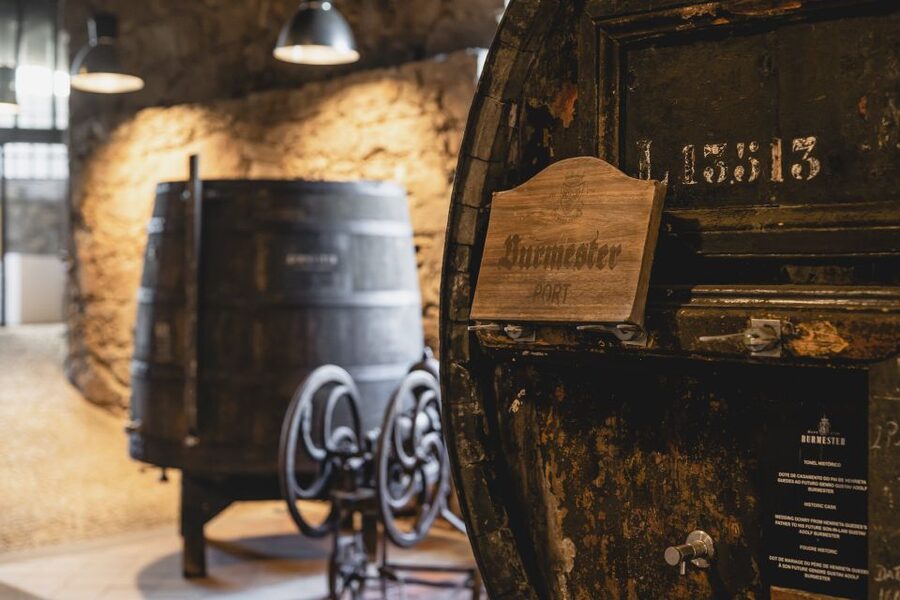
Book the language you want carefully. Available tour languages include Portuguese, Spanish, Italian, French, English, and German, and the sessions are monolingual.
Choose the standard tasting if your main goal is orientation. Pick premium if the extra wine and chocolate matter to you. Since food portions may be modest, think of the pairing as a tasting accent, not lunch.
Arrive ready to listen during the first half. The cellar explanation is short, and the tasting makes more sense when you know the basics of production and style.
If the room becomes noisy, ask your guide to repeat an important point. Guides have dealt with crowded and rowdy groups before, and the strongest ones appear willing to help sort out confusion.
The booking terms are flexible: you can cancel up to 24 hours before the visit for a full refund, and you can reserve now and pay later. Starting times vary, so check the available departures when you choose your date.
FAQ
Where does the Burmester Cellar tour start?
It starts at Caves Burmester, Largo Dom Luís I, 4400-111 Vila Nova de Gaia, Portugal, beside the Luiz I Bridge.
How long does the experience last?
The stated duration is one hour. The cellar explanation often takes about 25 to 30 minutes, with the remaining time used for the tasting.
How many Port wines are included?
The standard option includes two Port tastings. The premium option includes three Port tastings.
Does the premium option include chocolate?
Yes. Chocolate tasting is included with the premium option.
Which languages are available?
Tours are offered in Portuguese, Spanish, Italian, French, English, and German. Each tour is monolingual.
Can children drink the Port?
No. Wine is not served to anyone under 18. Fruit juice was provided for children during one visit, but the stated inclusions do not guarantee it.
Should you book this Porto wine experience?
Book Burmester if you want an affordable, well-paced introduction to Port in a memorable Gaia setting. The best reasons are the bridge-side location, clear guide-led history, and chance to compare several Port styles without spending half a day.
I would choose the premium tasting if you enjoy chocolate pairings and want the extra pour. Otherwise, the standard option gives you the essential experience at a lower price.
Just keep the limits in mind: the cellar talk is brief, group size can be large, stairs are involved, and the tasting room may be noisy. For a first look at Porto’s Port tradition, Burmester offers solid value. For serious wine collectors seeking rare bottles or a private tasting, you will want something more specialized.
Just added around Portugal
- From Lagos: Kayak Experience in Ponta da Piedade★ 4.8 · 168 reviews
- Albufeira: Off-road Quad Bike Adventure★ 4.8 · 168 reviews
- Central Lisbon E-Bike Tour★ 5.0 · 168 reviews
- Surfing Lessons in Madeira★ 5.0 · 168 reviews
- Faro: Sunset 1 hour Ria Formosa Boat Tour★ 4.7 · 169 reviews
- Albufeira: Dolphins, Benagil Caves and Coastline Boat Tour★ 4.6 · 169 reviews
- From Lisbon: Sintra and Cascais Full-Day Private Tour★ 4.9 · 168 reviews
- Kayak Tour Unexplored Caves + Benagil Cave★ 4.9 · 169 reviews
Food & Drink, compared.
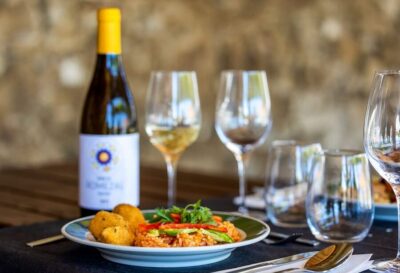
Douro Valley w/ Boat Tour, Wine Tasting & Lunch
Read our review →
Winner 2025 Undiscovered Lisbon Food & Wine Tour by Eating Europe
Read our review →
Cálem Cellar Tour, Interactive Museum & Wine Tasting
Read our review →
Douro Valley Small-Group Tour with Wine Tasting, Lunch and Boat
Read our review →
Browse the lists this tour appears in