
Reviewed · WINE TOURS
Porto: Entry Ticket at WOW – The Wine Experience Museum
Wine comes alive here. At WOW in Vila Nova de Gaia, The Wine Experience traces the drink from soil and vine to bottle and glass, then finishes with three tastings for about $20. I like the interactive displays and the clear look at Portugal’s wine regions, from the Douro to Madeira. I also like that beginners can enjoy it without feeling lost.
The main thing to watch is timing. The stated visit lasts 1.5 hours, but the exhibits can hold your attention for two hours or more. Signage at the larger WOW complex can also be less clear than it should be, and a late arrival may leave you rushing toward the final tasting.
In This Review
- Key points at a glance
- Finding The Wine Experience inside WOW
- From soil and climate to the first grape
- Following the grape from vine to bottle
- Portugal’s wine regions in one museum
- Interactive exhibits and aroma stations
- The three-wine tasting at the finish
- How much time should you allow?
- Is the $20 ticket good value?
- Who will enjoy this most?
- Practical tips for a smoother visit
- Should you book The Wine Experience?
- FAQ
- How long does The Wine Experience take?
- What wines are included in the tasting?
- What languages are offered for the audio guide?
- When is The Wine Experience open?
- Can I use my ticket at any time on the selected date?
- Is the museum wheelchair accessible?
Key points at a glance
- Three wines are included: You taste a red, a white, and a port, with a non-alcoholic option available.
- Portugal gets the spotlight: The displays cover Vinho Verde, the Douro, Alentejo, the Azores, and Madeira.
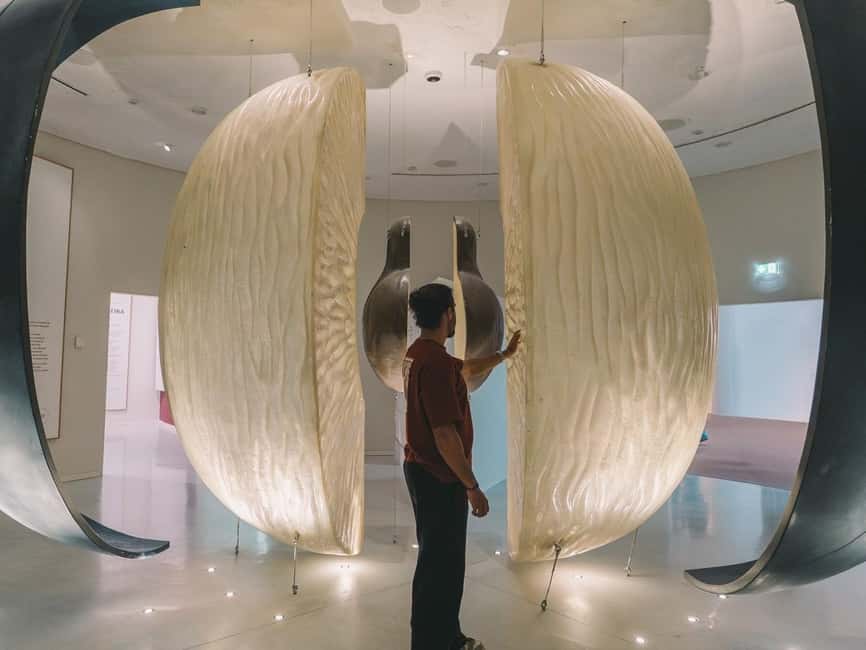
- The museum suits beginners: Short films, hands-on elements, aroma stations, and simple explanations make wine easier to understand.
- Plan extra time at WOW: Shops, restaurants, outdoor areas, and other museums share the complex.
- The tasting comes at the end: Allow enough time to reach the final section before the museum closes.
- Audio guides are included: English, Portuguese, Spanish, French, German, and Korean are available.
Finding The Wine Experience inside WOW
The Wine Experience is part of the World of Wine, known as WOW, in Vila Nova de Gaia, across the river from Porto. You show your ticket directly at the museum entrance, then follow the exhibition in a set sequence.
That sounds simple, but WOW is a large complex with several attractions, shops, restaurants, and open-air areas. Give yourself a few minutes to find the correct entrance. The museum’s own signs could be clearer, especially if you arrive near the end of the day.
Your ticket is valid on the selected date during opening hours, from 10:00 in the morning until 7:00 in the evening, with last entrance at 7:00. Holiday hours can change, so check the official website before setting out. The flexible entry window is useful because you do not have to arrive at one exact start time.
I would avoid arriving late in the afternoon if wine is your main reason for coming. The exhibition is arranged in stages, and the tasting waits until the end. A visit that begins with plenty of time feels relaxed. One that starts close to closing can feel hurried.
More Museum Tours in Porto
- FC Porto: Museum & Tour
★ 4.6 · 2,826 reviews - Porto: 3D Fun Art Museum Porto Entry Ticket
★ 4.6 · 302 reviews - Skip the Line: FC Porto Museum & Tour
★ 4.0 · 209 reviews
From soil and climate to the first grape
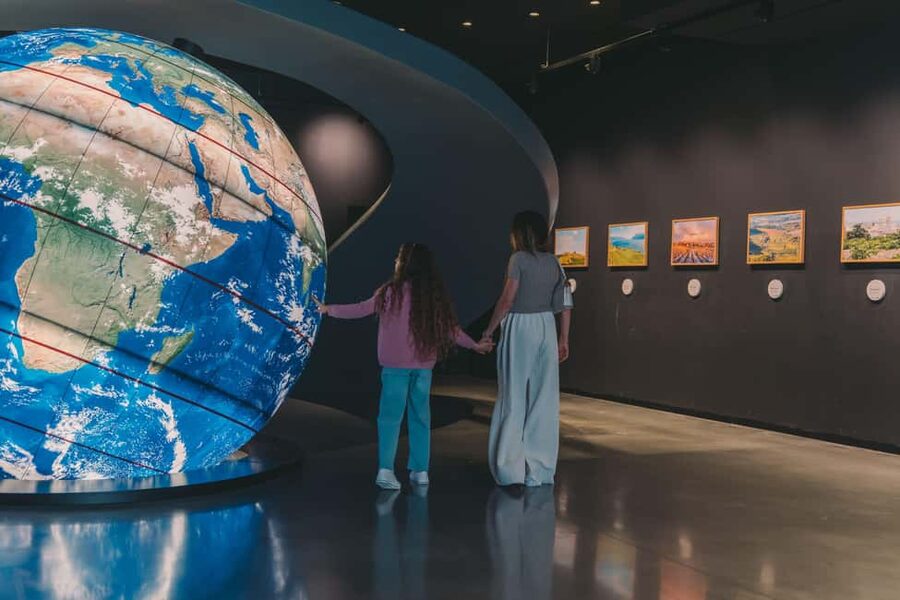
The museum begins with the basic question: why do wines from different places taste different? You look at soil, weather, grape varieties, and geography, then see how those factors affect the finished drink.
This is one of the strongest parts for beginners. Wine talk can become technical fast, but the displays break the subject into manageable pieces. You do not need to know the difference between a grape variety and a growing region before you arrive.
The focus on vineyards is especially useful. Many wine museums rush toward barrels, bottles, and tasting rooms. Here, the story begins with the vine itself, including the conditions that shape the fruit. That gives you a better way to understand why a wine from the Douro should not taste like one from Vinho Verde or Madeira.
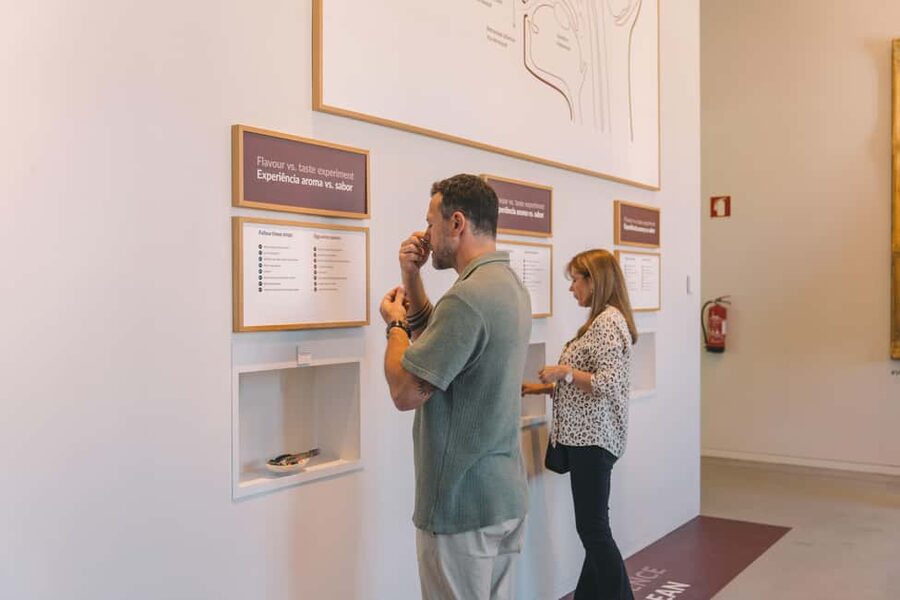
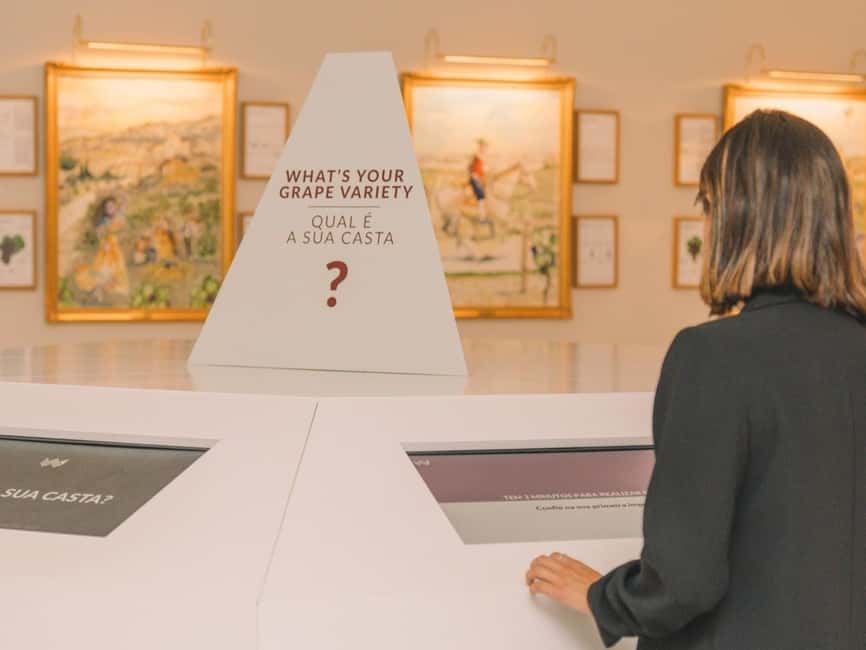
Interactive features keep this opening section from becoming a wall of text. You may find short films, information panels, and sensory activities that let you connect a smell or flavor with the wine-making process. The approach is educational, but it is not heavy going.
I like this part because it gives you a framework for the tasting later. Instead of simply deciding that you like or dislike a wine, you begin to see how place and production affect its character.
Following the grape from vine to bottle
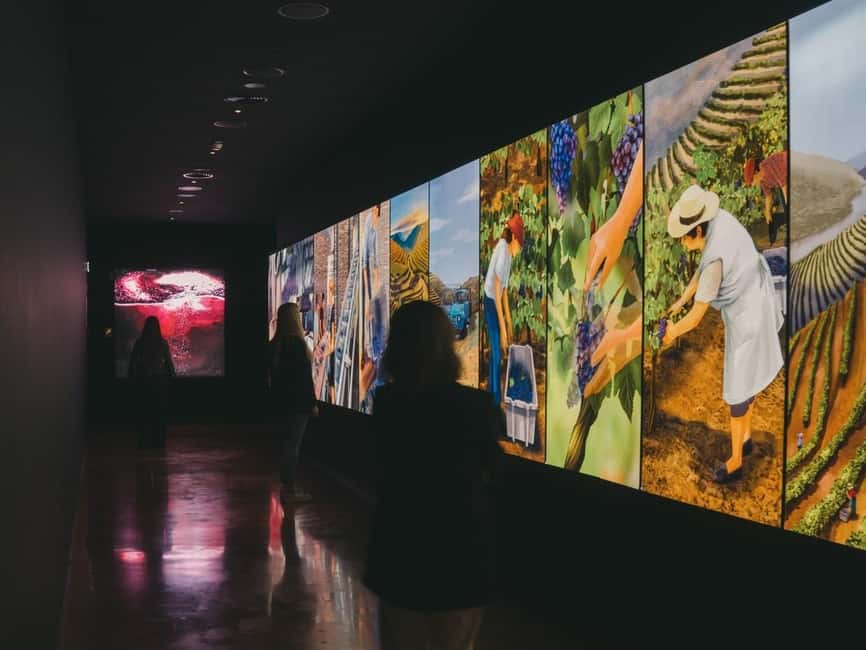
The route then follows the grape through production. You learn about the stages from the first leaves on the vine to harvesting, fermentation, bottling, and the final pour.
The museum presents traditional methods alongside the basic science behind wine production. That balance matters. You get the cultural side of Portugal’s long wine tradition, but you also get a practical explanation of what happens during production.
Short films help explain processes that can be hard to picture in a display case. Other sections use interactive features, so you are not simply reading about fermentation or storage. The format works well for families and for adults who learn better by seeing and handling than by studying long panels.
You can spend much longer here than the advertised 1.5 hours if you read everything. Some visitors have found that two and a half hours is easy to fill, particularly if they take their time with the production displays and the tasting.
That is not a problem if you plan for it. The 1.5-hour figure is best treated as a useful minimum for a steady visit, not a strict limit on how long the museum will hold you. If you have another timed activity at WOW, leave a generous gap.
Portugal’s wine regions in one museum
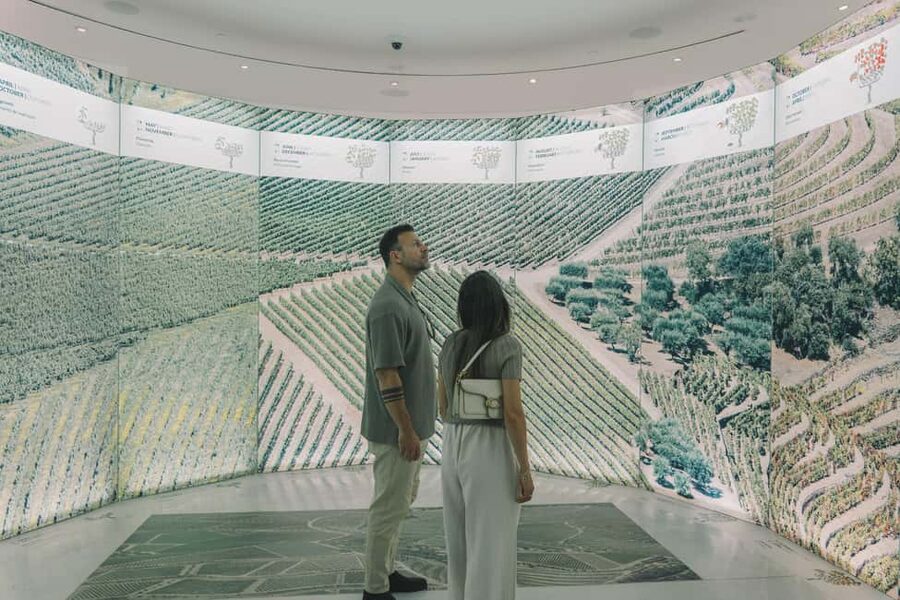
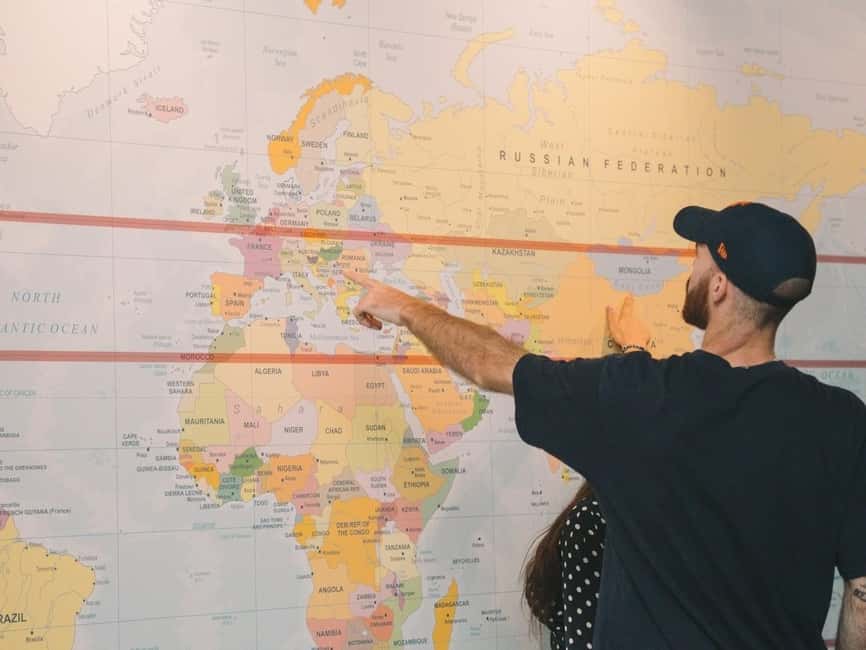
The regional section is where The Wine Experience becomes especially useful for a trip through Portugal. Instead of treating Portuguese wine as one single category, it shows the differences between the country’s growing areas.
You will encounter:
- Vinho Verde, associated with the cooler, greener north
- The Douro Valley, known for steep vineyard terraces
- Alentejo, with its warmer interior conditions
- The Azores, shaped by volcanic soils
- Madeira, another volcanic island with a famous fortified wine tradition
The display helps connect geography with the bottle. You can see why climate, soil, and location matter, rather than simply memorizing a list of names.
The Douro receives an important place in the story, and that makes sense in Gaia, where port wine has long been central to the area’s identity. The museum also gives Madeira and the Azores their due, which prevents the experience from becoming only a lesson in port.
I find this regional approach more helpful than a basic tasting list. If you later face a Portuguese wine menu, you will have some idea where the wine comes from and what kind of comparison to make. You may not leave as a wine specialist, but you should feel more comfortable asking questions and choosing something new.
More Wine Tours in Porto
- From Porto: Douro Valley w/ Boat Tour, Wine Tasting & Lunch
★ 4.7 · 19,061 reviews - Complete Douro Valley Wine Tour with Lunch, Wine Tastings and River Cruise
★ 5.0 · 12,920 reviews - Porto: Live Fado Show with Glass of Port Wine
★ 4.8 · 6,498 reviews - Douro Valley: Wine Tour with Lunch, Tastings & River Cruise
★ 4.6 · 6,081 reviews
Interactive exhibits and aroma stations
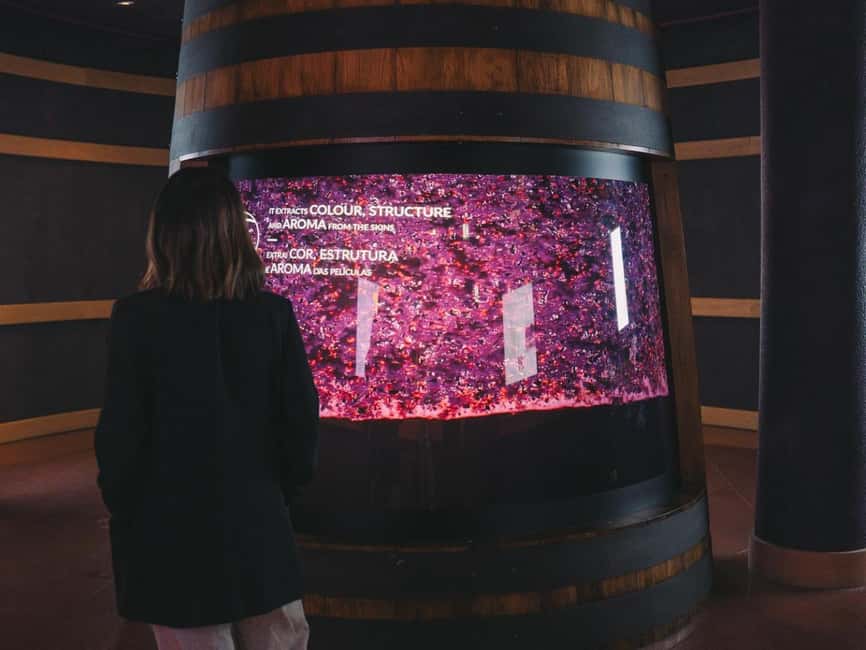
The museum uses a modern presentation style. You can watch explanatory films, read panels, and try sensory activities related to wine aromas and flavors.
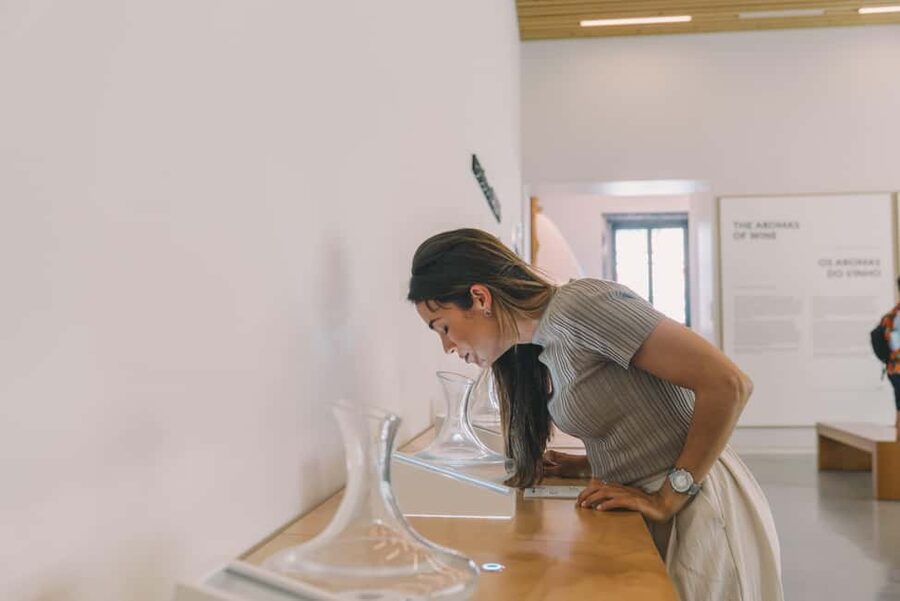
The interactive elements are not merely decoration. They give you a way to test what you are learning. A section about aroma, for example, becomes more memorable when you can compare different smells instead of just reading that wines may suggest fruit, flowers, herbs, or spices.
The pace also works well. You can move through the material without feeling buried under technical detail, yet there is enough information for people who already have an interest in production.
I would describe the museum as friendly rather than formal. You do not need to dress up, use specialist language, or arrive with a strong opinion about wine. The tone encourages curiosity, which is exactly right for an exhibition aimed at a broad audience.
The main tradeoff is that the amount of information can tempt you to linger at every station. If you want the tasting and have a fixed schedule, keep an eye on the clock. The final section is worth reaching, and the route can take longer than expected.
The three-wine tasting at the finish
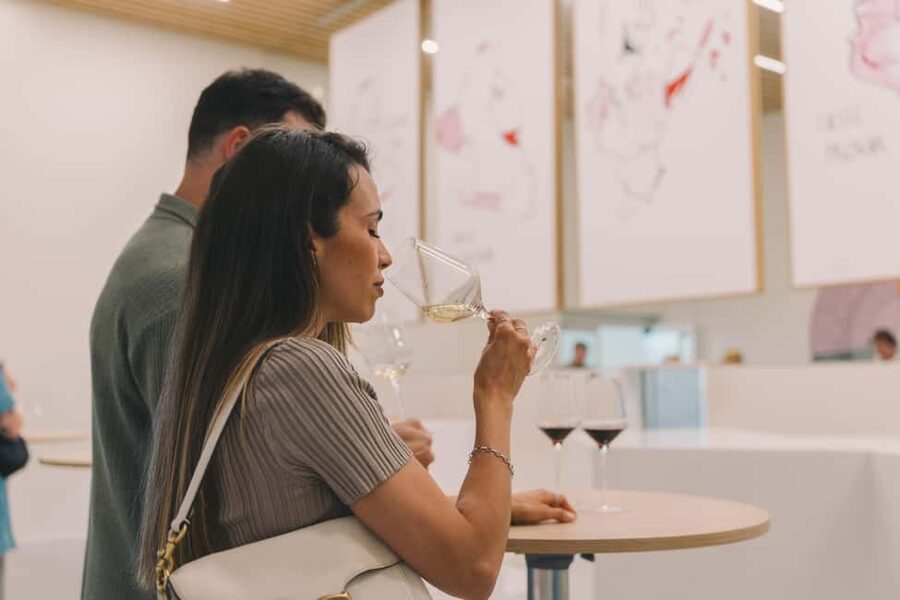
At the end, you taste three wines: one red, one white, and one port. A wine specialist explains how to taste, how to notice the main characteristics, and how to describe what you prefer.
This is more useful than simply receiving three glasses and being told which one is best. You get a basic method you can use later: look at the wine, smell it, taste it, and think about its character and finish. The goal is not to turn you into a sommelier. It is to help you order with more confidence.
The red, white, and port selection also gives you a quick comparison across styles. Port is the natural local highlight, but tasting it beside table wines shows how different the categories can be.
The tasting has received some of the strongest praise because it turns the earlier displays into something practical. You learn the theory, then test your senses. A tasting led by Audrianna was singled out for clear explanations and a strong presentation, though the staff member for your visit may differ.
A non-alcoholic alternative is available, so you can still take part if you do not drink alcohol. The information provided does not specify the exact alternative, so check with staff if that detail matters to you.
Make sure you leave enough time to reach this final part. The museum closes at 7:00 in the evening, and one late-day visit nearly missed the tasting after taking longer than expected through the exhibits. This is the single most useful timing tip I can offer.
How much time should you allow?
The official duration is 1.5 hours. That should work if you move at a steady pace, watch the main films, try several interactive features, and complete the tasting without lingering over every panel.
I would allow two hours if possible. Give yourself closer to 2.5 hours if you enjoy wine production, want to read the regional material, or plan to spend time with the sensory displays.
Your schedule at WOW matters, too. The complex includes other museums, gift shops, restaurants, outdoor spaces, and scenic spots overlooking the river area. You can easily turn this ticket into one part of a longer outing.
The rooftop terrace is a pleasant way to finish, with views toward the river and reasonably priced drinks. Those drinks are separate from the museum ticket, but the terrace adds a relaxed ending if you have time.
Do not pack The Wine Experience too tightly between other bookings. The museum is sequential, and the tasting is not something you want to skip just because the first sections took longer than planned.
Is the $20 ticket good value?
At about $20 per person, the price is fair if you use the museum as both an educational visit and a tasting. You receive entry, the audio guide, and three wines, including port. That combination gives the ticket more value than a short tasting alone.
The price works best for people who want to understand production. If you only want to drink port in Gaia, a port lodge visit may be more direct. If you want a broad introduction to wine, The Wine Experience gives you more context before the glass reaches your hand.
The audio guide adds value for visitors who prefer listening or who want information in their own language. It is available in English, Portuguese, Spanish, French, German, and Korean.
The museum also earns its price through presentation. It is modern, well laid out, and designed to keep the subject approachable. Several sections cover material that would otherwise require a vineyard visit, a winery tour, and a regional tasting to understand.
Still, the ticket may feel less worthwhile if you rush through it. The museum is not a quick photo stop. You get the best return when you give the displays time and reach the final tasting without pressure.
Who will enjoy this most?
I would recommend The Wine Experience to first-time wine learners, couples, families interested in food culture, and anyone planning to visit the Douro or another Portuguese wine region.
It is also a good choice if you want something indoors in Porto or Gaia that does not depend on a long day outside. The presentation is modern and accessible, and the information is not limited to people who already know wine terms.
People with a strong interest in production may enjoy it even more than casual drinkers. The museum gives attention to viticulture, soil, grape varieties, and the steps before bottling. One can easily spend several hours here by reading closely.
It may be less suitable if you want a small, intimate tasting room or a focused port cellar visit. WOW is a large visitor complex, and the museum presents wine on a broad scale. That is its strength, but also its limitation.
The accessible design is another practical benefit. The activity is wheelchair accessible, and an audio guide is included. The supplied information does not describe every route detail, so anyone needing specific access arrangements should confirm them with the museum in advance.
Practical tips for a smoother visit
Book a time on a day when you can stay flexible. The ticket can be used during opening hours on the selected date, and reserve-now, pay-later terms can help if your Porto plans are still moving around.
Arrive with enough time to locate the entrance within WOW. If you are visiting other attractions in the complex, check their positions before you start.
Keep the tasting in mind from the beginning. It is easy to become absorbed in the production sections, especially the interactive stations and films. Start earlier rather than aiming for the final available entry.
Use the audio guide if you want a more structured visit. It supports six languages, and it can help you choose how much written information to read.
Finally, consider adding time for the rooftop terrace or one of the restaurants. You do not need to combine everything in one booking, but WOW is more enjoyable when you do not treat The Wine Experience as a stand-alone sprint.
Should you book The Wine Experience?
I would book it if you want a clear, modern introduction to Portuguese wine and enjoy learning before tasting. The strongest features are the regional coverage, the attention to grape growing and production, and the guided red, white, and port tasting at the end.
Book with at least two hours free, even though the official duration is 1.5 hours. Choose an earlier entry if you want to read carefully, and keep a later stop at WOW flexible.
Skip it only if your main goal is a traditional cellar tasting with a narrow focus on port. For everyone else, especially beginners, the $20 price offers a well-rounded look at how Portugal’s wines reach the glass.
FAQ
How long does The Wine Experience take?
The stated duration is 1.5 hours. You might spend about 2.5 hours if you read the displays carefully, try the interactive sections, and take your time with the tasting.
What wines are included in the tasting?
The tasting includes three wines: one red, one white, and one port. A non-alcoholic alternative is also available.
What languages are offered for the audio guide?
The audio guide is available in English, Portuguese, Spanish, French, German, and Korean.
When is The Wine Experience open?
The museum is open daily from 10:00 in the morning until 7:00 in the evening, with last entrance at 7:00. Hours may vary on bank holidays.
Can I use my ticket at any time on the selected date?
Yes. You can use the ticket during museum opening hours on the selected date. Check the official website for holiday-hour changes.
Is the museum wheelchair accessible?
Yes, The Wine Experience is wheelchair accessible.
More Galleries and Collections
- Porto: Cálem Cellar Tour, Interactive Museum & Wine Tasting
★ 4.5 · 4,113 reviews - Lisbon: Luz Stadium Tour & SL Benfica Museum Ticket w/Scarf
★ 4.7 · 3,264 reviews - Lisbon: National Tile Museum Entry Ticket
★ 4.6 · 868 reviews - Lisbon: Banksy Museum Permanent Exhibition Entry Ticket
★ 4.7 · 506 reviews
More Vineyard Visits and Tastings
- Douro Valley: Historical Sites, Wine Experience, Lunch & Cruise
★ 5.0 · 5,133 reviews - Authentic Small Group Douro Wine Tour with Lunch & River Cruise
★ 5.0 · 4,775 reviews - Douro Valley Small-Group Tour with Wine Tasting, Lunch and Boat
★ 5.0 · 3,642 reviews - Douro Valley Tour: 2 Vineyard Visits, River Cruise, Winery Lunch
★ 5.0 · 3,542 reviews
Just added around Porto
- Matosinhos: Conservas Pinhais Factory Tour★ 4.8 · 173 reviews
- Private Geres National Park Tour with Lunch and Transfers★ 5.0 · 174 reviews
- Porto: Tour on the Douro River in a Classic Boat★ 5.0 · 178 reviews
- Porto: Santiago de Compostela and Valença do Minho Day Trip★ 4.5 · 181 reviews
- Porto: 6 Bridges Port Wine River Cruise with 4 Tastings★ 4.8 · 182 reviews
- Private Rafting Experience in Melgaço★ 5.0 · 186 reviews
- Tile Painting and Cocktails in Downtown Porto★ 5.0 · 187 reviews
- Porto: Combined Ticket for WOW Cultural District★ 4.7 · 188 reviews
Wine Tours, compared.
Douro Valley w/ Boat Tour, Wine Tasting & Lunch
Read our review →
Complete Douro Valley Wine Tour with Lunch, Wine Tastings and River Cruise
Read our review →
Winner 2025 Undiscovered Lisbon Food & Wine Tour by Eating Europe
Read our review →
Wine Tour with Lunch, Tastings & River Cruise
Read our review →
Historical Sites, Wine Experience, Lunch & Cruise
Read our review →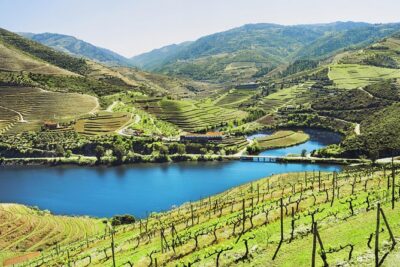
Authentic Small Group Douro Wine Tour with Lunch & River Cruise
Read our review →
Live Fado Show with Port Wine in Historic Center
Read our review →Browse the lists this tour appears in