
Reviewed · DOLPHIN WATCHING
Sealife Sea Safari, Dolphin Watching with Marine Biologist’s Lagos
Wild dolphins are never a sure thing. That is part of the appeal of Sealife Dolphin Watching in Lagos, a 90-minute Atlantic safari led by certified marine biologists. You leave from Lagos Marina, search the open water for dolphins and other marine life, and return to the same marina without spending private-boat money.
I especially like the small maximum group of 20 and the crew’s wildlife-first approach. When dolphins appear, the boat can stop and let them decide how close to come, rather than chasing them for a better photograph. The main drawback is simple: these are wild animals, so you may spend much of the trip searching, and the Atlantic can feel chilly or choppy outside summer.
The experience costs $48.39 per person and is offered in English. Sealife has more than 15 years of experience, and every trip includes fully certified marine biologists. Names mentioned by passengers include Daniela and Mafalma, both praised for clear explanations and a warm manner with children.
In This Review
- Key points to know before you book
- Leaving from Marina de Lagos
- Choosing between a rigid inflatable and catamaran
- The search for dolphins in the Atlantic
- What a successful sighting can look like
- Marine biologists who add meaning to the ride
- A wildlife policy worth taking seriously
- How the $48.39 price measures up
- Weather, comfort, and what to bring
- Who will enjoy this most
- FAQ
- Where does the dolphin-watching trip begin?
- Where does the activity end?
- How long does the experience last?
- How much does the tour cost?
- Is the tour offered in English?
- How many people can join the boat?
- What happens if the weather is poor?
- Should you book Sealife Dolphin Watching?
Key points to know before you book
- Expect a real wildlife search: Dolphins may appear in large groups, but sightings, distance, and time beside the boat cannot be promised.
- The guides are the heart of the trip: Certified marine biologists explain dolphin behavior, species, and conservation in clear, practical language.
- Ethical viewing matters: The crew may turn off the engine and wait for dolphins to approach instead of pursuing them.
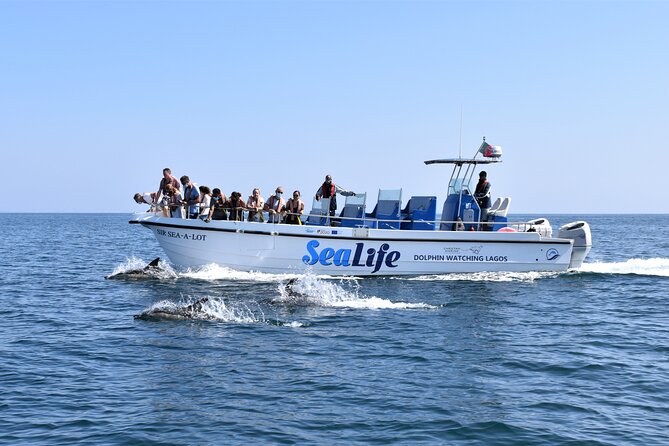
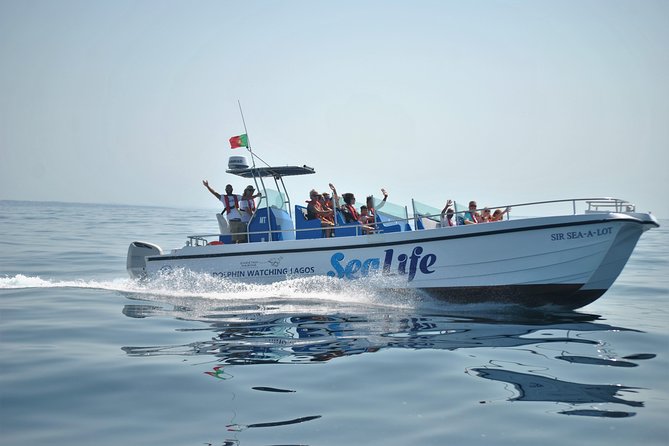
- You have several boat choices: Fast rigid inflatables include Lord of Dolphins and Prince of Whales, while Sir Sea-a-Lot is a roomier catamaran.
- The trip lasts about 1 hour 30 minutes: That includes the search from Lagos and the return to Marina de Lagos.
- Bring a jacket outside high season: Even a mild day in town can feel cold at sea, especially in October or on a windy outing.
Leaving from Marina de Lagos
Your meeting point is Sealife Dolphin Watching, Loja 10 at Marina de Lagos, 8600-315 Lagos, Portugal. The activity begins and ends here, making it easy to fit into a day of exploring the old town, beaches, or marina.
The location is near public transportation, which is useful if you are staying without a car. Since the company confirms your booking at the time of reservation, you should still check the exact departure instructions before setting out and allow enough time to find Loja 10 within the marina.
The setting gives you a quick change of pace. Lagos is famous for its cliffs and beaches, but this trip takes you away from the shore and into the Atlantic. The point is not a coastal sightseeing cruise. You are heading out to search for animals that may be several miles from land.
More Dolphin Watching in Lagos
- Lagos: Combo Dolphin and Benagil Tour with Marine Biologist
★ 4.7 · 2,352 reviews - Dolphin Watching from Lagos with Marine Biologists
★ 5.0 · 302 reviews - Dolphin-Watching in Marina de Lagos
★ 4.5 · 285 reviews
Choosing between a rigid inflatable and catamaran
Sealife uses three named boats. The Lord of Dolphins and Prince of Whales are rigid inflatable boats, often called RIBs. They are built for speed and give the outing a lively, open-water feel. The Sir Sea-a-Lot is a faster, more spacious catamaran, offering a roomier option for those who prefer more space underfoot.
The supplied information does not assign a particular boat to each departure, so you should not assume that you can select one. Still, the range matters. A fast RIB may appeal to you if the ride itself is part of the fun, while the catamaran may suit you better if you value extra room.
Several outings are described as fast, exciting, and comfortable, but rough water is also possible. One passenger found the sea choppy yet still considered the trip worthwhile. If you are sensitive to motion, keep the ocean conditions in mind when choosing your day, and take the jacket advice seriously. The front of the boat can be misty on a windy day.
The search for dolphins in the Atlantic
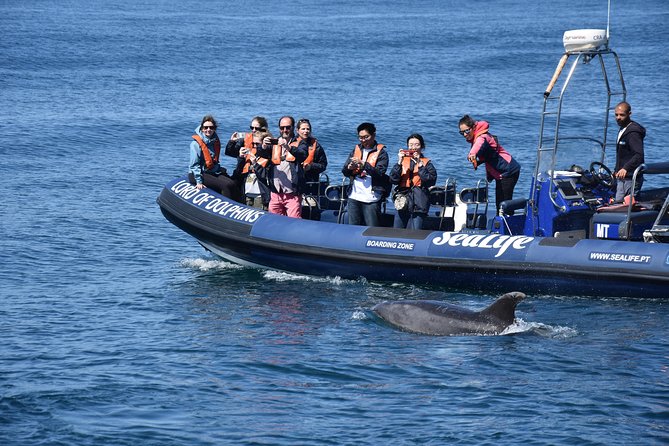
There is only one official stop on the itinerary: Sealife Dolphin Watching. In practice, the trip has several distinct stages. After leaving the marina, the boat heads into open water while the marine biologist and crew search for signs of dolphins.
This search is an important part of the experience, not wasted time. The animals are not fed, trained, or placed in a display tank. You may find a pod quickly, or the crew may need to travel farther before finding one. One outing involved a long ride before a group of common dolphins appeared, while another found multiple pods.
That uncertainty makes the trip different from a standard attraction. You are not buying a guaranteed performance. You are paying for a carefully managed attempt to see wild animals in the place they choose to live.
The crew’s effort is a major part of the value. On a slower day, they continue searching and provide information rather than pretending that every outing will produce a perfect close-up sighting. One group saw only a few dolphins at a distance, but still enjoyed the fast boat, the guide’s humor, and an added look at the grotto area near Lagos on the way back.
What a successful sighting can look like
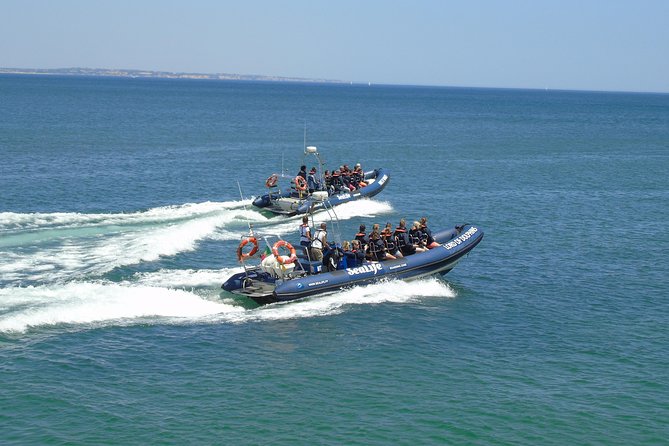
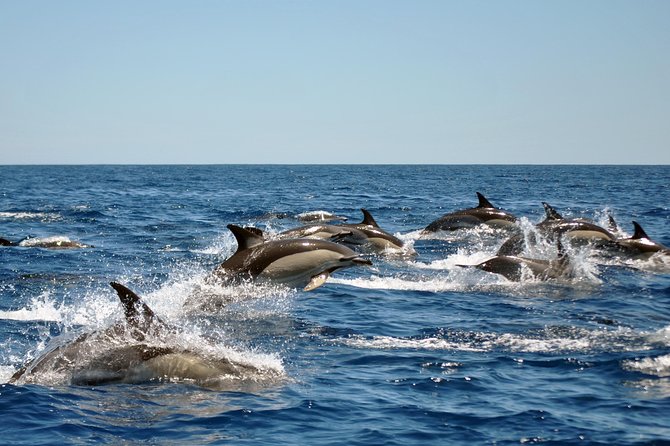
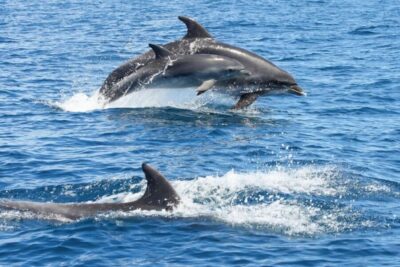
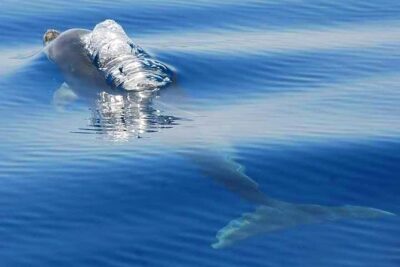
When dolphins are found, the boat stops or slows so you can watch their behavior. Sightings have included common dolphins, bottlenose dolphins, young dolphins, and large groups reported at around 30, 100, or even more animals. Such counts can be difficult to make from a moving boat, but they give you an idea of the variety of encounters possible.
Some pods have passed directly alongside the boat, circled it, or swum underneath. In several accounts, dolphins approached after the boat stopped. That distinction is important. The crew’s aim is to bring you close without forcing the animals to follow a boat that is pursuing them.
You might see a mother with a young dolphin, juveniles playing, or a large pod traveling together. One group watched dolphins for roughly half an hour after locating them. Another saw two species during the same trip. A loggerhead turtle was briefly spotted by part of one group, and a minke whale was seen on another outing.
These sightings are possibilities, not promises. The most honest way to approach the trip is to hope for dolphins but remain open to a day when the animals stay far away. The crew can search well, but it cannot control wild behavior.
More dolphin trips:
- From Lagos: Dolphin Watching Cruise on a Catamaran
★ 4.5 · 239 reviews - Albufeira: 2.5-Hour Benagil Caves & Dolphin Watching
★ 4.6 · 10,710 reviews - Albufeira: Benagil Caves & Dolphin Watching Speed Boat Tour
★ 4.6 · 6,316 reviews - From Funchal: Ecological Catamaran Dolphin Whale Watching
★ 4.5 · 5,771 reviews
Marine biologists who add meaning to the ride
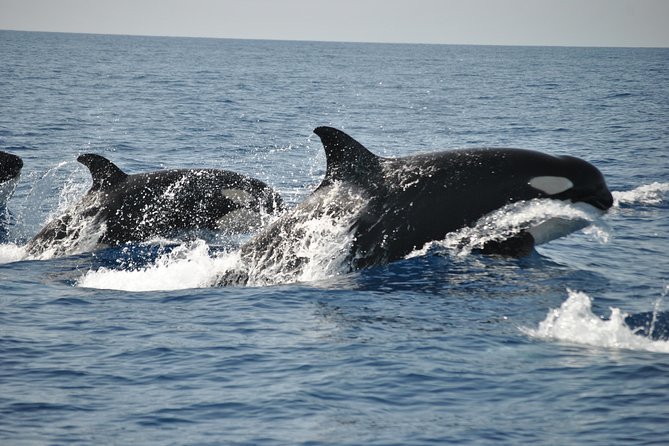
The company’s biggest claim is that a fully certified marine biologist is on every trip. This changes the experience from a simple boat ride into a short field lesson.
The guides explain dolphin biology and behavior, answer questions, and help you understand what you are seeing. You may learn, for example, that dolphins can sleep with one eye open. The talks also place the sighting in an ethical context, making clear why watching animals in the wild is different from seeing trained performances in aquariums.
Daniela is singled out for her precise explanations, friendly smile, and willingness to answer questions. Mafalma and her colleague are also praised for doing their best to find dolphins while respecting their habits. The names and crew assignment may change, but the marine biologist-led format is part of the standard offering.
The guides also seem attentive to different needs within the group. One marine biologist took extra time to explain information to a deaf passenger. Families have also appreciated the crew’s kindness with children, including helping younger passengers board first. That makes the experience more approachable for mixed-age groups.
A wildlife policy worth taking seriously
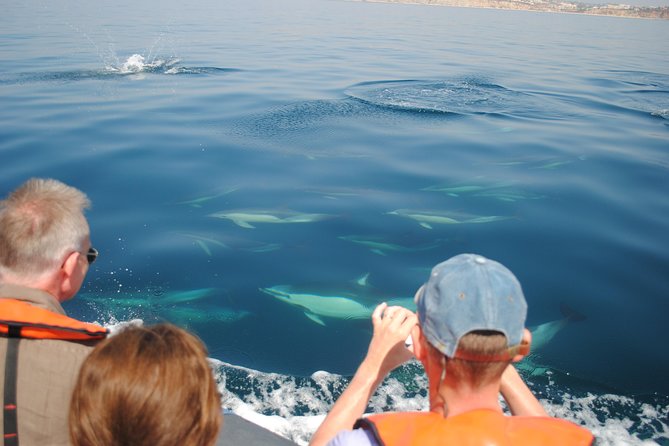
Sealife describes the trip as fully environmentally licensed and insured, and its stated aim is to approach dolphins without harming their well-being. The strongest practical example is the captain turning off the boat and allowing dolphins to approach on their own.
That is the right standard for wildlife watching. A close encounter is exciting, but the animal’s freedom to leave matters more than a photograph. The crew’s willingness to stop and wait also gives you a better chance to watch natural behavior instead of seeing dolphins race away from a boat.
This approach may sometimes mean less action. You might not get dolphins jumping beside you or swimming under the hull. Yet the quieter moments can be more rewarding, especially when you watch a pod travel, rest, circle, or move with young animals.
How the $48.39 price measures up
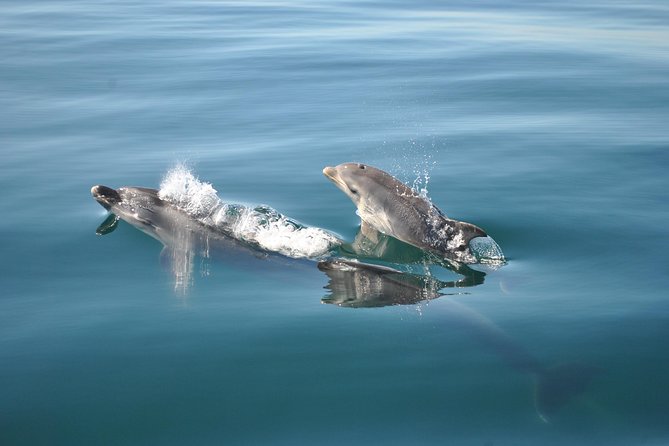
At $48.39 per person, the tour sits below the cost of hiring a private vessel and offers a more personal setting than a large sightseeing boat. The maximum group size is 20, though some departures may have far fewer people. One outing had only four participants and felt almost private.
The value depends on what you want. If your main goal is a guaranteed close view of dolphins, no ethical wild-animal trip can fully meet that expectation. If you want a guided Atlantic outing with a serious search, a fast boat, marine biology information, and the chance to see more than one species, the price is reasonable.
You are also paying for the crew’s local effort. They may travel well offshore, scan a wide area, and spend time looking for a suitable pod. A short sighting does not necessarily mean a poorly run trip. The search itself takes time, fuel, trained observation, and careful boat handling.
The small group adds value, too. You should have a clearer view than on a crowded vessel, and it is easier to ask the guide questions. That matters when the marine biologist is explaining a behavior that lasts only a few seconds.
Weather, comfort, and what to bring
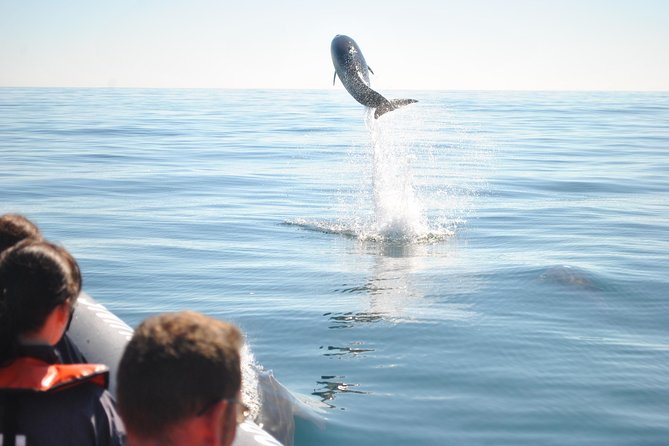
Lagos can feel warm on land while the open Atlantic feels cool. Outside high season, bring a jacket. The advice is especially useful for October, when one passenger found the ride cold after leaving the marina. Wind can also bring sea mist to the front of the boat.
The company describes its boats as safe and comfortable, but the sea is not always calm. Expect the possibility of a fast, choppy ride. Anyone who dislikes rough water should consider the conditions before booking and ask the operator about the forecast if needed.
Wear practical clothing and plan for spray. The front of the boat may offer the most direct experience of the ride, but it can also be the wettest position. If you prefer a calmer, drier spot, the crew can guide you to the best available seating on the boat assigned to your departure.
The activity lasts approximately 90 minutes. That is long enough for a meaningful search and possible dolphin viewing, but short enough to fit around other Lagos plans. Because the trip returns to the marina, you do not need to arrange separate transport from another port.
Who will enjoy this most
This is a strong choice for families, couples, and anyone who wants a nature experience rather than a staged show. Children aged eight and ten were reported to enjoy it, and the crew’s friendly approach can help younger participants feel comfortable.
It also suits curious adults. If you want to know the difference between common and bottlenose dolphins, understand how dolphins rest, or learn why boats should stop when animals approach, the biologist adds real value.
You should think twice if you need certainty, dislike boat motion, or have only a very narrow schedule. The outing requires good weather and a minimum number of participants. If poor weather cancels the trip, you are offered another date or a full refund. If the minimum is not met, the same options apply.
Cancellation is free up to 24 hours before the start time. Cancellations or changes made less than 24 hours ahead are not refunded or accepted, so do not leave this booking until the last possible moment if your plans are uncertain.
FAQ
Where does the dolphin-watching trip begin?
It begins at Sealife Dolphin Watching, Marina de Lagos, Loja 10, 8600-315 Lagos, Portugal.
Where does the activity end?
The trip ends back at the same meeting point in Marina de Lagos.
How long does the experience last?
The activity lasts approximately 1 hour and 30 minutes.
How much does the tour cost?
The listed price is $48.39 per person.
Is the tour offered in English?
Yes. The experience is offered in English.
How many people can join the boat?
The maximum group size is 20 participants.
What happens if the weather is poor?
The experience requires good weather. If it is canceled because of poor weather, you can choose another date or receive a full refund.
Should you book Sealife Dolphin Watching?
I would book this tour if you want a responsible wildlife outing with a small group and a proper marine biology component. The strongest reasons are the certified guides, the respectful approach to dolphins, the fast and comfortable boats, and the chance of seeing common dolphins, bottlenose dolphins, turtles, whales, and young animals in the Atlantic.
I would not book it expecting a guaranteed performance. Some days bring 30 dolphins, several pods, or animals swimming under the boat. Other days require a long search and produce only distant sightings. That uncertainty is not a flaw in the operation. It is the basic truth of watching wild creatures.
Bring a jacket, allow for a choppy ride, and keep your expectations flexible. If you can accept those conditions, Sealife offers one of the more thoughtful ways to meet the marine life of Lagos, with enough speed for adventure and enough care to let the dolphins remain in charge.
More Safari
- From Albufeira: Half-Day Algarve Jeep Safari
★ 4.7 · 2,039 reviews - Albufeira: Safari Excursion in the Algarve Mountains
★ 4.8 · 1,059 reviews - Full-Day Jeep Safari West: Fanal, Porto Moniz, Seixal, Cabo Girão
★ 5.0 · 940 reviews - Full Day Jeep Safari East – Pico do Areeiro – Santana – Ponta de são Lourenço
★ 5.0 · 819 reviews
Just added around Lagos
- From Lagos: Kayak Experience in Ponta da Piedade★ 4.8 · 168 reviews
- Lagos Zoo Admission Ticket★ 4.0 · 174 reviews
- Algarve: Lagos Sightseeing guided Tour with e-bikes★ 4.9 · 174 reviews
- Ponta da Piedade 1H15M Boat Guided Tour in Algarve★ 5.0 · 187 reviews
- Brodie’s Historical and Fun Lagos Walking Tour★ 5.0 · 188 reviews
- Lagos: Bake Pastel de Nata – Class in Lagos, Algarve★ 4.9 · 198 reviews
- Sail, Swim & Tapas★ 5.0 · 209 reviews
- Kayak Tour to Ponta da Piedade Caves in Lagos★ 5.0 · 231 reviews
Dolphin Watching, compared.
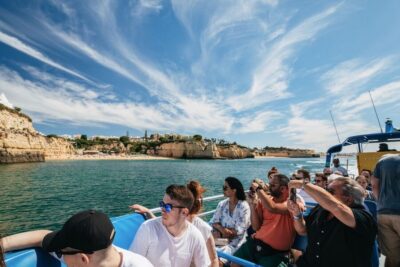

Benagil Caves & Dolphin Watching Speed Boat Tour
Read our review →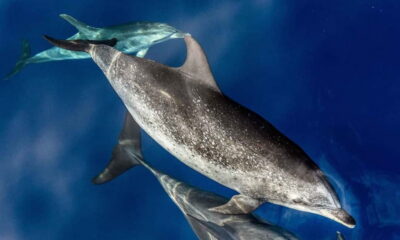
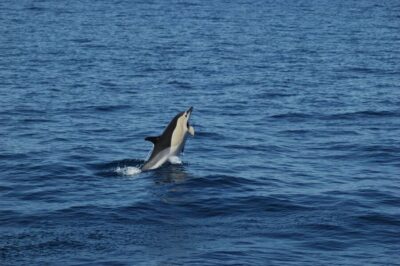
Dolphins Search and Benagil Caves from Albufeira
Read our review →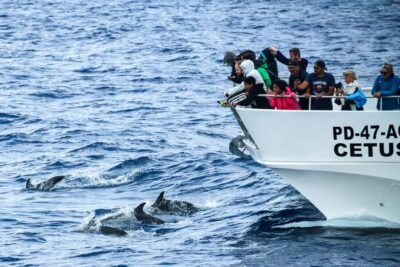
Benagil Caves & Dolphins Watching with Biologist
Read our review →Browse the lists this tour appears in