
Reviewed · AZORES TOURS
Tours on Pico Island – Cultural and Natural Landscape
Pico reveals itself slowly, then all at once. This full-day outing gives you a broad look at the island through its UNESCO-listed vineyards, volcanic shore, inland scenery, and whaling past, all without needing to rent a car.
I like the range of the route and the personal touch from guide Norberto, whose local stories add meaning to places that might otherwise look like pretty viewpoints. I also like the small group size, limited to eight people, which makes hotel, ferry, and public transport pickup much easier to manage.
The main drawback is the length. At 8.5 hours, this is a serious day out, not a quick orientation tour, and food and drinks cost extra. Some stops can also be affected by fog or rain, though the route appears flexible enough to adjust when conditions change.
In This Review
- Key points to know before booking
- Why this tour makes sense on Pico
- Madalena, São Roque do Pico, and Lajes do Pico
- Lagoa do Capitão and Pico’s high country
- The UNESCO vineyards at Cachorro and Lajido
- Lava fields and the volcanic coast
- Pico’s whaling past and the Whaling Museum
- A guide who shapes the day
- Timing, transport, and comfort
- Who will get the most from this Pico tour?
- Is $111 a fair price?
- Should you book Tours on Pico Island?
- FAQ
- How long does the Pico Island tour last?
- What places does the tour visit?
- Is the Pico vineyard area included?
- Is the Whaling Museum included?
- Is hotel pickup included?
- Can I take this tour if I am arriving by ferry?
- What languages does the guide speak?
- Are food and drinks included?
- How many people are in the group?
Key points to know before booking
- One day, much of Pico: The route follows the north and south coasts and visits Madalena, São Roque do Pico, and Lajes do Pico.
- Lagoa do Capitão: This inland stop brings you to endemic island vegetation and one of the day’s most memorable natural settings.
- UNESCO vineyard country: You see the stone-walled vineyards around Pico’s wine-producing area, especially near Cachorro and Lajido.
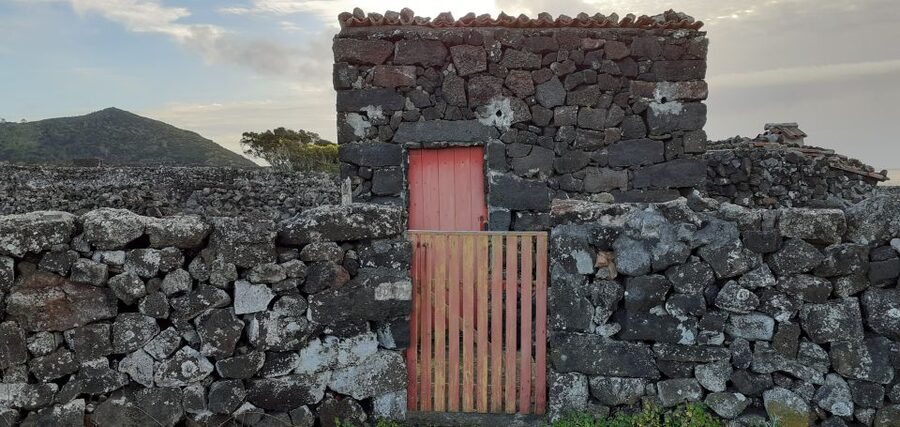
- Volcanic scenery up close: Lava fields and black coastal rock show how strongly the island’s volcanic past still shapes daily life.
- Whaling history included: The tour visits important whaling sites and includes entry to the Whaling Museum.
- Norberto’s local perspective: His careful driving, island stories, flexible stops, and help with ferry timing are recurring strengths of the experience.
Why this tour makes sense on Pico
Pico is not an island you understand from one village or one lookout. Its character is spread across coastal settlements, high inland viewpoints, old vineyards, lava flows, and reminders of an industry that shaped local families for generations.
That makes a full-island road tour a useful choice if you have only one day. You are not simply ticking off viewpoints. You are building a picture of how Pico’s volcanic ground became farmland, how wine became an important local trade, and how whaling influenced the island’s communities.
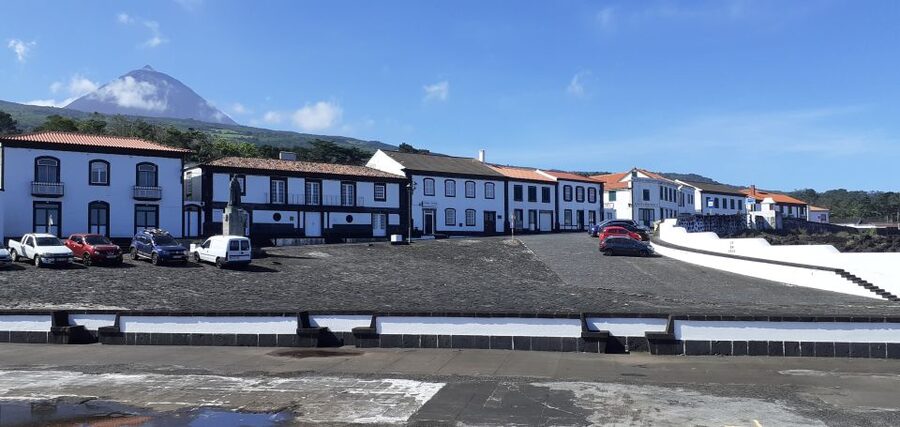
The tour follows Estrada Regional roads 1 and 2 along the north and south coasts. You pass through the three principal villages of Madalena, São Roque do Pico, and Lajes do Pico, giving you a sense of how the island is organized rather than leaving you with one isolated slice.
At $111 per person, the value depends on your plans. For a solo visitor, a couple without a rental car, or anyone arriving by ferry from Faial, the price covers a full day of transport, a guide, admission to the included places, insurance, and pickup and drop-off. That can be good value compared with arranging separate taxis or trying to build the same route independently.
A few more reviews worth comparing before you book
- From Ponta Delgada: Whale and Dolphin Watching Trip
★ 4.7 · 4,109 reviews - Azores Whale Watching & Islet Boat Tour
★ 4.6 · 2,146 reviews - São Miguel West: Full-Day Van Tour with Lunch
★ 4.9 · 1,948 reviews
Madalena, São Roque do Pico, and Lajes do Pico
The three villages give the tour a useful human scale. Each one forms part of the island story, and passing through all three helps you see Pico as a connected place rather than a collection of scenic stops.
Madalena is especially practical if you are arriving from Faial by ferry. The guide can meet you at the ferry area, and several customers have found the pickup and return arrangements flexible. If you are using public transport, transfers to and from transport connections are included, which removes one common headache on an island visit.
São Roque do Pico adds another important point on the northern side of the island. The route here helps connect the coastal settlements with the island’s maritime past and volcanic setting. Your exact stop pattern may change with weather and timing, so think of the village visits as part of a moving portrait of Pico rather than formal sightseeing at every corner.
Lajes do Pico brings you farther south and closer to the island’s whaling story. The route gives you a chance to compare the feel of the southern coast with the northern communities and to understand why the sea mattered so much to local life.
I would not book this tour expecting long, independent exploration in each village. The strength is coverage and interpretation. You see a lot in one day, but the schedule is designed to connect places, not give you several hours in each town.
Lagoa do Capitão and Pico’s high country
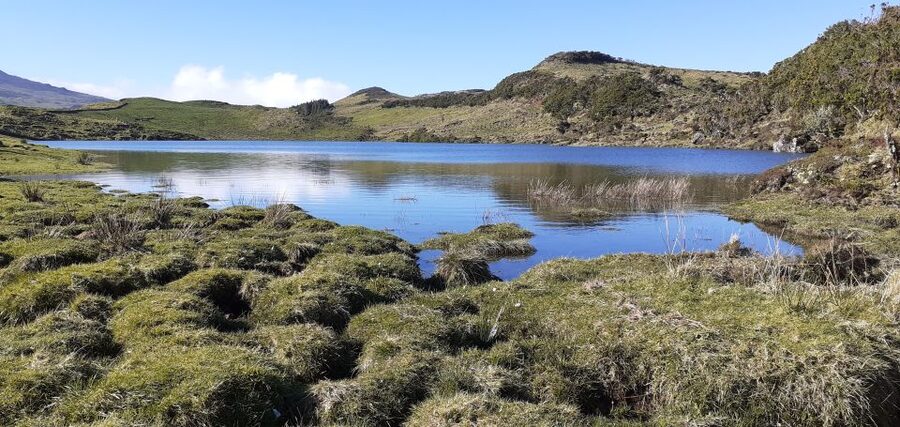
Lagoa do Capitão is one of the natural highlights. This inland site offers a different view of Pico from the coastal roads, with endemic vegetation that is specific to the island.
The change in scenery matters. Along the coast, black lava and ocean dominate. At Lagoa do Capitão, you get a greener, more sheltered setting and a chance to see how plant life has adapted to Pico’s volcanic conditions.
The viewpoint can be weather-sensitive. Fog has affected at least one stop during a tour, and the guide extended the route to show something else instead. That is useful to know in advance: Pico’s weather can make a beautiful view disappear in minutes, but a flexible guide can keep the day worthwhile.
Bring a light layer even if the coast feels warm. The information does not promise a particular temperature or walking distance, so I would treat this as a short scenic stop rather than plan for a demanding hike. If you want a full mountain trek, this is not that kind of outing.
The UNESCO vineyards at Cachorro and Lajido
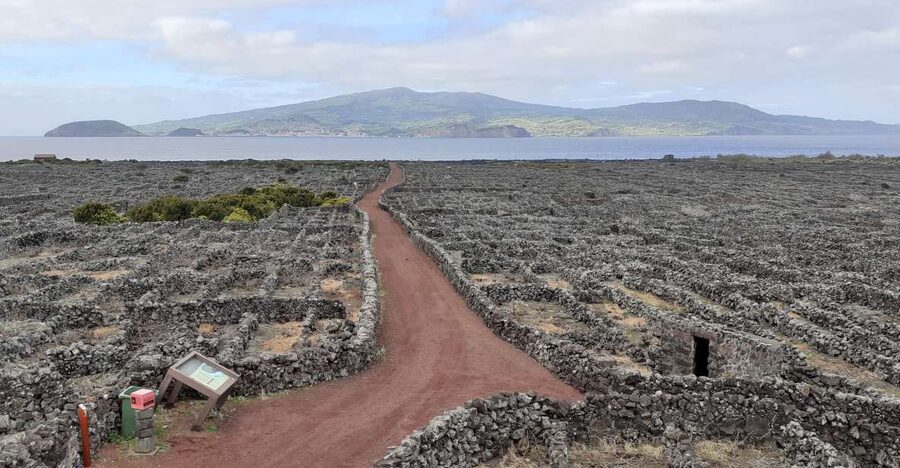
Pico’s Vineyard Culture Landscape is the cultural centerpiece of the day. It is classified as a UNESCO World Heritage site, and the setting explains why it earned that recognition.
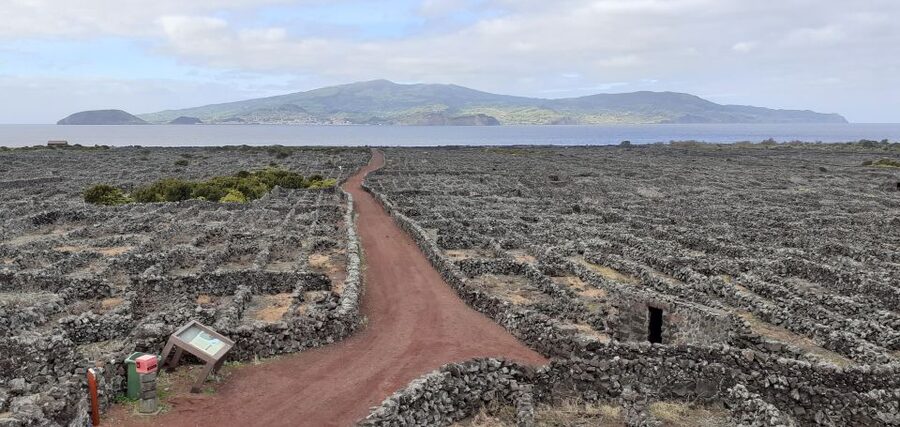
The vineyards are shaped by volcanic ground. Instead of broad, open fields, you find a distinctive pattern of vines protected by walls made from dark volcanic stone. These walls help define the vineyards and reflect the work required to produce wine on Pico’s rugged terrain.
The stops at Cachorro and Lajido bring you close to this connection between farming and geology. You also travel along the shore, where lava fields make the island’s volcanic nature hard to miss. The rock is not just background scenery. It helps explain why cultivation here developed in such a particular way.
I like this part of the route because it gives context to the view. You are not only looking at vines and stone walls. You are seeing a working cultural system shaped by the island’s ground, climate, and coastal location.
Do not expect this tour to be a dedicated wine tasting experience. Wine culture is a major theme, but the advertised visit centers on the vineyard area and its history, not on a tasting menu or winery lunch. If wine sampling is your main goal, check the details before booking or arrange a separate visit.
A different sort of day out around Azores:
- São Miguel West Full Day Tour with Setes Cidades Including Lunch
★ 5.0 · 1,391 reviews - São Miguel East Van Tour with Lunch: Furnas & Nordeste
★ 5.0 · 1,210 reviews - São Miguel East: Full-Day Van Tour with Lunch
★ 4.9 · 1,124 reviews - Azores Whale Watching & Islet Boat Tour
★ 4.5 · 1,059 reviews
Lava fields and the volcanic coast
The coastal route shows Pico at its most stark. Vast lava fields spread around sections of the shore, and the black rock gives the island a strong visual identity.
The tour focuses on the particular features of Pico’s volcanic nature rather than promising an active volcano excursion. That distinction matters. You get to see lava formations and fields from accessible tour stops, but this is not a mountain-climbing program or a technical geology trip.
I find this kind of stop most useful when paired with the vineyard visit. First, you see the raw volcanic material. Then you see how people worked around it, using stone and careful cultivation to make agriculture possible. The two experiences explain each other.
The coastal sections are also good for passengers who prefer sightseeing from a vehicle with occasional walks. The van is described as comfortable and spacious, and Norberto is praised for driving slowly enough to let you take in the scenery. That is a small but important advantage on a long road day.
Rain does not automatically cancel the experience. One outing continued in wet weather, with the guide adapting as needed. Still, bring weatherproof clothing and keep your expectations realistic. Clouds and rain may reduce the impact of some viewpoints.
Pico’s whaling past and the Whaling Museum
The whaling portion gives the tour its strongest historical focus. Pico’s communities were closely tied to the sea, and whaling affected work, family life, and local identity for many years.
The route includes emblematic whaling locations and entry to the Whaling Museum. That admission is included, so you are not left with only an exterior view or a quick roadside explanation.
This visit is valuable because it adds difficult human stories to the natural scenery. After seeing lava fields and vineyards, you learn how people made a living from the ocean and how that past still forms part of Pico’s identity today.
Norberto’s role seems especially important here. His explanations cover historical events, present-day facts, wine production, whaling, local people, and the island’s Mistérios, the areas shaped by volcanic eruptions. I would expect the museum to provide the objects and formal displays, while the guide supplies the local links between each subject.
If you prefer a tour built only around scenery, the museum and whaling stops may feel slower. I think they improve the day, but they do require attention and interest in local history.
A guide who shapes the day
Norberto is the clearest reason to consider this particular outing. He is repeatedly described as courteous, patient, welcoming, and proud of Pico. His safe driving also matters when you are spending most of a day in a vehicle.
His style seems warm without being overbearing. Stops can be adjusted, and you are given time to explore rather than being pushed back into the van at the first possible moment. One solo visitor appreciated that the tour accepted individual bookings, and another group found the guide attentive to a passenger with partial sight.
That does not mean every group gets a fully private itinerary. The tour is small group, with up to eight participants, so the pace may still reflect other people’s interests and needs. On a day when only one booking was present, the guide was able to make the outing especially flexible, but you should not assume that level of customization every time.
Lunch is not included. The guide can offer restaurant choices, and one group selected a buffet meal costing €13 per person including drinks. Treat that figure as an example rather than a fixed tour price, since the included information does not promise one restaurant or one menu.
Timing, transport, and comfort
The stated duration is about 8.5 hours, while the itinerary itself is described as lasting approximately eight hours. In practical terms, plan on most of a day, with the possibility of a little variation depending on stops, weather, and pickup arrangements.
Hotel pickup and drop-off are included. Transfers from and to public transportation are also included, which is particularly useful if you are staying without a car or coordinating with a ferry.
Several details make the transport arrangement more valuable than it first appears:
- You do not need to navigate the island’s roads yourself.
- You can reach places that may be awkward to connect by public transport.
- Ferry passengers may be able to arrange pickup near Madalena.
- The guide can help keep the return timing on track, an important point if you are catching a ferry.
- A small van gives the day a more personal feel than a large coach.
The tour is offered in English and Portuguese. If you need another language, this is not the right choice based on the available information.
Free cancellation is available up to 24 hours before the start for a full refund, and you can reserve now while paying later. Those terms are useful if your island plans depend on weather or transport, though you should still check the exact starting time when booking.
Who will get the most from this Pico tour?
I would recommend it most strongly to you if:
- You have one day on Pico and want a broad introduction.
- You are staying without a rental car.
- You are traveling alone and want a small group option.
- You are arriving from Faial by ferry.
- You care about local history as much as scenic views.
- You want a guide to explain the vineyards, lava fields, whaling, and Mistérios.
- You prefer a relaxed road tour to a strenuous outdoor activity.
It may be less suitable if you want a dedicated wine tasting, a long mountain hike, or several hours of free time in one village. The route covers a lot of ground, so the reward is variety rather than depth at one location.
The tour also suits people who value a calm driver and a flexible day. Norberto has adjusted stops when fog reduced visibility, continued despite rain, and helped passengers with different needs. Those are practical qualities, not just pleasant extras.
Is $111 a fair price?
At $111, I see solid value if you use the service as your main Pico sightseeing day. The cost includes transportation, guide service, insurance, and entry to the included places. You still pay for food and drinks, but that is common for an all-day outing and gives you some control over your lunch budget.
The price is harder to justify if you already have a car and have carefully planned your own route. Driving yourself may cost less per person, especially for a larger group, and lets you linger wherever you want. You would also need to arrange your own museum entry, route planning, parking, and local interpretation.
For a solo visitor, the calculation is more favorable. Renting a car alone, paying for fuel, and organizing a full loop can erase much of the apparent saving. Here, you also get a local guide who can put the stops into context.
The overall rating is 4.8 from 115 ratings, with strong praise for the guide, safe driving, variety, comfort, flexibility, and value. I would place the greatest weight on those repeated practical strengths, since they directly affect whether an 8.5-hour road day feels enjoyable or tiring.
Should you book Tours on Pico Island?
Book this tour if you want to understand Pico in one well-filled day. The combination of Lagoa do Capitão, UNESCO vineyard country, Cachorro, Lajido, lava fields, three main villages, and whaling sites gives you a useful overview that would be hard to reproduce without a car.
I would especially choose it for a first visit, a ferry day from Faial, or a trip without independent transport. Norberto’s local knowledge and patient approach add real value.
Skip it if your priority is hiking Pico Mountain, wine tasting, or spending a slow afternoon in one town. For everyone else, this is a practical, personal way to see the island’s major natural and cultural themes without rushing from one photo stop to the next.
FAQ
How long does the Pico Island tour last?
The experience lasts approximately 8.5 hours. The itinerary itself is described as taking about eight hours, so you should plan for most of the day.
What places does the tour visit?
The route passes through Madalena, São Roque do Pico, and Lajes do Pico. It also includes Lagoa do Capitão, the vineyard areas around Cachorro and Lajido, coastal lava fields, and places connected with whaling culture.
Is the Pico vineyard area included?
Yes. The tour visits Pico’s Vineyard Culture Landscape, which is classified as a UNESCO World Heritage site.
Is the Whaling Museum included?
Yes. Entry to the included visit places, including the Whaling Museum, is part of the tour.
Is hotel pickup included?
Yes. Hotel pickup and drop-off are included. Transfers from and to public transportation are also included.
Can I take this tour if I am arriving by ferry?
Yes. Transfers from public transportation are included, and the tour can arrange pickup and drop-off connections. A booking from Madalena ferry area was specifically accommodated.
What languages does the guide speak?
The live guide service is available in English and Portuguese.
Are food and drinks included?
No. Food and drinks are not included in the $111 price. Restaurant choices are available during the day, but lunch costs extra.
How many people are in the group?
The tour is limited to eight participants, making it a small-group experience. The exact number on any departure can vary.
Just added around Azores
- Private boat tour of the islets in Vila Franca do Campo★ 5.0 · 46 reviews
- Sete Cidades Azores 4×4 Day Tour from Ponta Delgada★ 4.9 · 46 reviews
- West Coast Van Tour (Half Day) | Terceira Island★ 4.9 · 46 reviews
- Full Day Guided Tour to Furnas with Lunch Included★ 5.0 · 46 reviews
- Full Day Outdoor Nordeste & waterfall Tour with Lunch★ 5.0 · 46 reviews
- São Miguel Island: Full-Day Sete Cidades Tour★ 4.9 · 46 reviews
- Half Day Guided Tour of Sete Cidades from Ponta Delgada★ 5.0 · 46 reviews
- Full-Day Sete Cidades Crater Lake and Fire Crater Lake Private Tour★ 5.0 · 47 reviews
Azores Tours, compared.

São Miguel West: Full-Day Van Tour with Lunch
Read our review →
São Miguel West Full Day Tour with Setes Cidades Including Lunch
Read our review →
São Miguel East Van Tour with Lunch: Furnas & Nordeste
Read our review →
São Miguel East: Full-Day Van Tour with Lunch
Read our review →
São Miguel Azores: Half-Day Whale Watching Trip
Read our review →Browse the lists this tour appears in