
Reviewed · PORT WINE CELLAR TOURS
Vila Nova de Gaia: Port Wine Tasting with Cheese Pairing
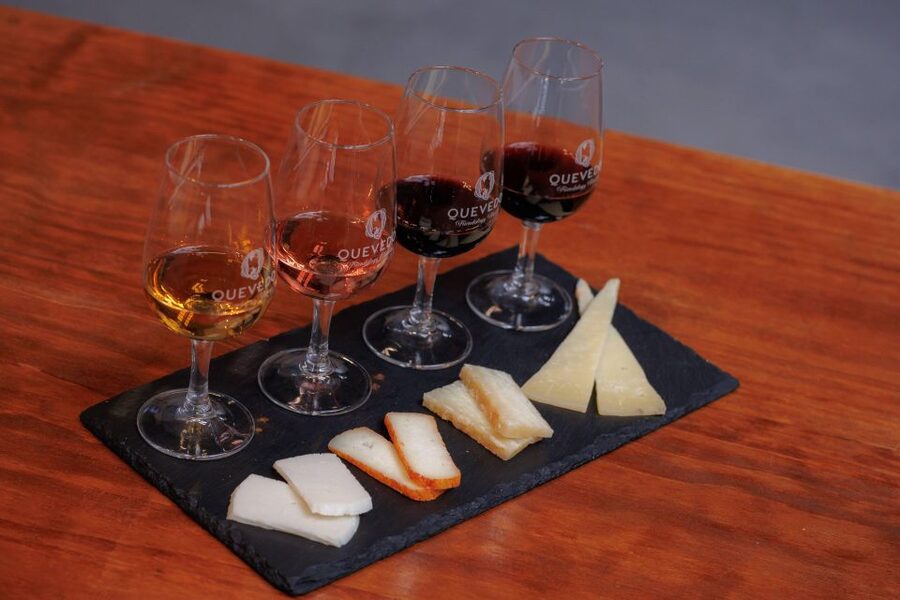
Port and cheese make an easy match. This one-hour tasting at Quevedo in Vila Nova de Gaia offers three distinct Port wines, three carefully chosen cheeses, and clear explanations from a small family-owned house. I like the useful range of styles, from Crusted Port to Tawny and White Port, and I like the intimate group size, limited to eight people. The main thing to note is that this is a tasting rather than a cellar visit.
You meet at Quevedo Port Wine, close to the Douro River and Gaia’s busy wine district. The setting is described as cozy, open, airy, and peaceful, depending on the room and group. Guides such as Miguel, Fernando, Bruna, Inês, and Marcia have been praised for making the subject easy to follow, though your guide will depend on the day.
At $30 per person, I consider this a fair introduction to Port, especially because the cheese is included and each wine is served with a 40 ml pour. You will not receive a meal, a full winery tour, or unlimited samples, so serious Port fans may want a longer cellar experience afterward.
In This Review
- Key points at a glance
- Why this Gaia tasting works for first-time Port drinkers
- Arriving at Quevedo in Vila Nova de Gaia
- The first glass: Crusted Port and sheep cheese
- The second glass: 10-Year-Old Tawny with paprika cheese
- The third glass: 2009 Colheita White Port and Azores cheese
- What the guide adds to the hour
- The Quevedo story and Douro connection
- Price, timing, and what you receive
- Who should book this Port tasting
- Is Quevedo’s one-hour tasting worth booking?
- FAQ
- Where does the Port tasting take place?
- How long does the experience last?
- How many Port wines are included?
- Which Port wines are tasted?
- What cheeses are paired with the wines?
- Is a winery or cellar visit included?
- What languages are available?
- Is the activity wheelchair accessible?
- Can I cancel for a full refund?
Key points at a glance
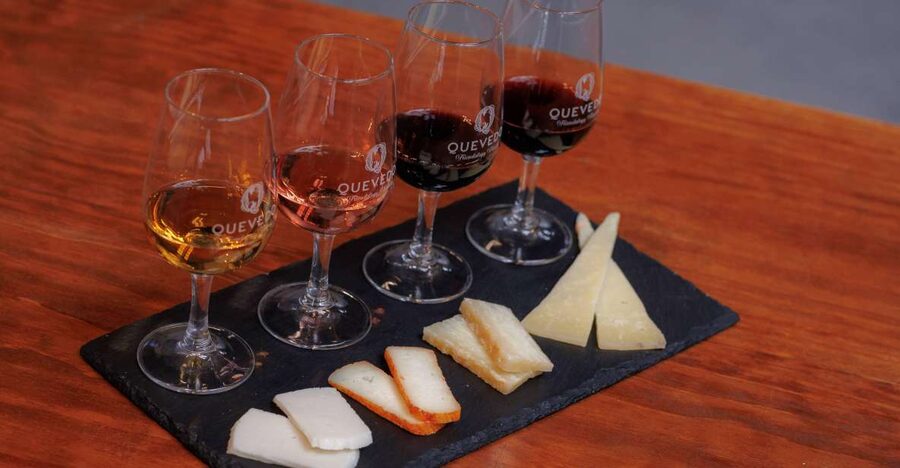
- Three contrasting Port styles: Crusted Port, 10-Year-Old Tawny, and 2009 Colheita White Port show how varied this wine can be.
- Three Portuguese cheese pairings: Local sheep cheese, paprika-seasoned mixed-milk cheese, and aged Azores cheese with local jam give the tasting a clear food focus.
- Small groups of up to eight: You get more room for questions than at a large commercial tasting.
- A family-owned Quevedo house: The company has made Port for more than five generations and began bottling under its own name in 1993.
- One hour, close to the river: This fits neatly between sightseeing, a meal, or a walk along the Gaia waterfront.
- Accessible and flexible: The activity is wheelchair accessible, offers Portuguese, English, Spanish, and Russian, and allows free cancellation up to 24 hours before the start.
Why this Gaia tasting works for first-time Port drinkers
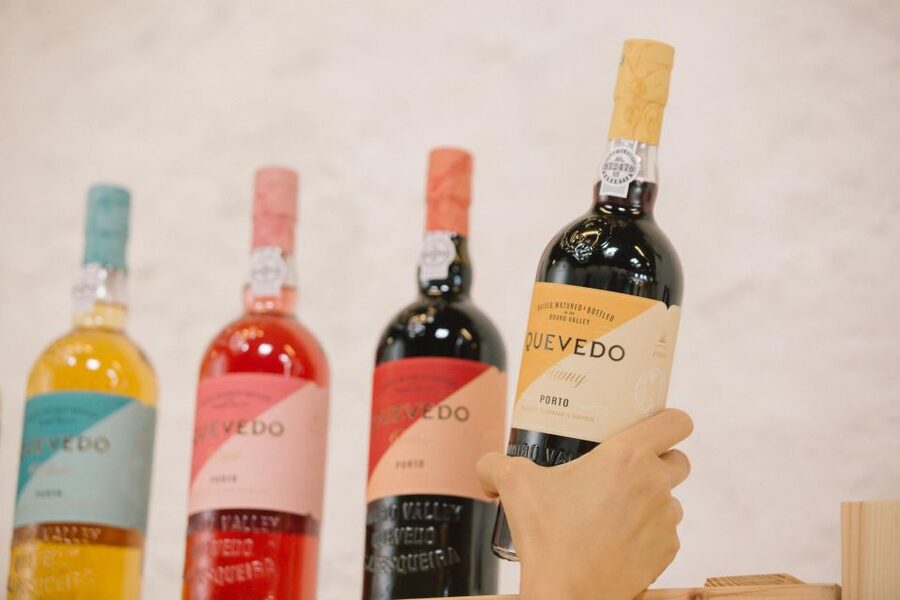
Port can seem confusing at first. The labels mention age, harvest years, grape color, and styles that do not always explain themselves. A tasting flight solves that problem quickly. Instead of trying one bottle and guessing what Port is supposed to taste like, you compare three different approaches in the same sitting.
I like the way this selection moves beyond the familiar sweet red Port. You start with Crusted Port and local-aged sheep cheese, then try a 10-Year-Old Tawny with a mixed cow, goat, and sheep cheese flavored with paprika. The final pairing is a 2009 Colheita White Port with a seven-month-aged Azores cheese and local jam.
That sequence gives you three useful reference points. The Crusted Port represents a bottle-aged style, the Tawny shows the character that comes from long aging in wood, and the White Port brings a lighter-colored but still distinctive expression to the table. The exact tasting notes will depend on your palate and the guide’s presentation, but the selection is designed to show range.
This suits you especially well if you are new to Port. Several guides have been praised for translating technical wine ideas into plain language, explaining grape origin, aging, production, and the differences between styles without making the session feel like a lecture.
More Food Tours in Porto
- From Porto: Douro Valley w/ Boat Tour, Wine Tasting & Lunch
★ 4.7 · 19,061 reviews - Douro Valley Small-Group Tour with Wine Tasting, Lunch and Boat
★ 5.0 · 3,642 reviews - Porto: Cálem Cellar Tour, Fado Show & Wine Tasting
★ 4.4 · 3,530 reviews
Arriving at Quevedo in Vila Nova de Gaia
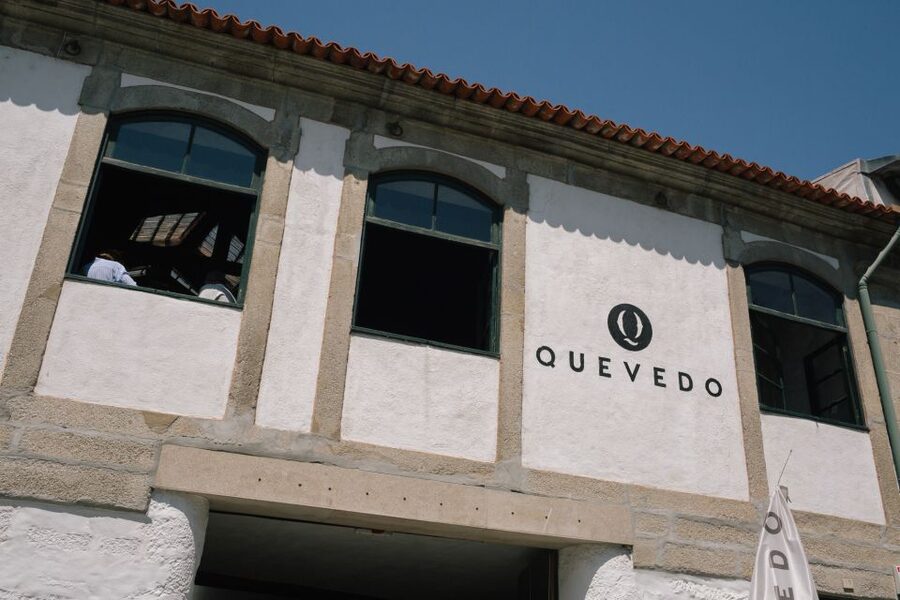
The meeting point is Quevedo Port Wine. Once there, speak with a local staff member and they will direct you to the tasting. The location is in Vila Nova de Gaia, the city across the Douro from Porto and a traditional home for Port houses.
That setting matters. You are not tasting Port in a generic hotel room or a distant restaurant. You are in the part of the Porto area most closely linked with the storage and presentation of Port wine. The riverfront is nearby, so this works well as a short stop during a day spent walking Gaia.
The venue itself receives praise for feeling welcoming and calm. One description calls it tucked away and peaceful, while another highlights an open and airy room. That makes it a useful break from the crowds along the river. Do not expect a grand museum-like interior, though. The appeal here is the relaxed family-business atmosphere rather than ornate architecture.
The group limit of eight is one of the most important practical details. Small groups make it easier to ask about a bottle, a cheese, or a buying decision. If you have never tasted Port before, you can ask basic questions without feeling out of place. If you already know wine, you can ask about aging or production and get a more useful answer than you might in a crowded tasting bar.
The first glass: Crusted Port and sheep cheese
The first pairing is Crusted Port with local-aged sheep cheese. This is a good opening because it introduces a classic darker Port alongside a firm, savory cheese.
Your guide will explain how the wine fits into the wider Port family and may connect it to the Douro Valley, where Quevedo raises, matures, and bottles its wines. The company’s vineyards cover 100 hectares across five properties, with another 25 hectares devoted to organic olive groves. That agricultural background gives the presentation more substance than a simple tasting counter pitch.
The cheese helps you pay attention. Taste the Port on its own, then try it with the sheep cheese. Notice how the salt and firmness of the cheese change the wine’s feel. The point is not to find one correct answer. It is to see how food can sharpen some parts of a wine and soften others.
I appreciate that this is not merely a plate of random snacks. The pairings are meant to show why a particular cheese was selected. One particularly useful guide explanation compared pairings that worked together with combinations that pulled in different directions. That kind of contrast teaches you more than being told that every match is perfect.
Each standard pour is 40 ml. That is enough for tasting and comparison, but it is not a generous glass. Pace yourself, especially if you plan to visit another Port house afterward.
The second glass: 10-Year-Old Tawny with paprika cheese
The 10-Year-Old Tawny is paired with a cheese made from cow’s, goat’s, and sheep’s milk, with paprika adding another layer of flavor. This is probably the most immediately useful pairing for anyone trying to understand how age and food affect Port.
Tawny Port is often a good style to discuss because its name refers to appearance and aging character rather than simply grape color. The guide can use this glass to explain how Port changes over time and why an aged Tawny tastes different from a younger, darker style.
The mixed-milk cheese gives you several flavors in one bite. The paprika adds seasoning, while the different milks create a broader profile than the first sheep cheese. This pairing also shows why strong cheese is not required for a good Port tasting. One helpful point from the experience is that the selected cheeses are approachable, including for people who do not enjoy very forceful cheeses.
This is where the guide can make the biggest difference. Miguel has been praised for explaining how cheese and other foods affect the taste of Port, while Fernando has been singled out for his clear presentation of Port production and the Douro Valley. Guides may also include Bruna, Inês, Marcia, Rafael, Dima, Antonio, or Francisco, depending on the schedule.
Do not worry if you cannot identify every aroma. The goal is to build a personal sense of what you like. You may find that Tawny becomes your favorite, as it has for many people who enjoy its softer, aged character. Or you may prefer the darker Crusted Port. The tasting gives you a basis for that choice.
More Wine Tours in Porto
- Complete Douro Valley Wine Tour with Lunch, Wine Tastings and River Cruise
★ 5.0 · 12,920 reviews - Porto: Live Fado Show with Glass of Port Wine
★ 4.8 · 6,498 reviews - Douro Valley: Wine Tour with Lunch, Tastings & River Cruise
★ 4.6 · 6,081 reviews - Douro Valley: Historical Sites, Wine Experience, Lunch & Cruise
★ 5.0 · 5,133 reviews
The third glass: 2009 Colheita White Port and Azores cheese
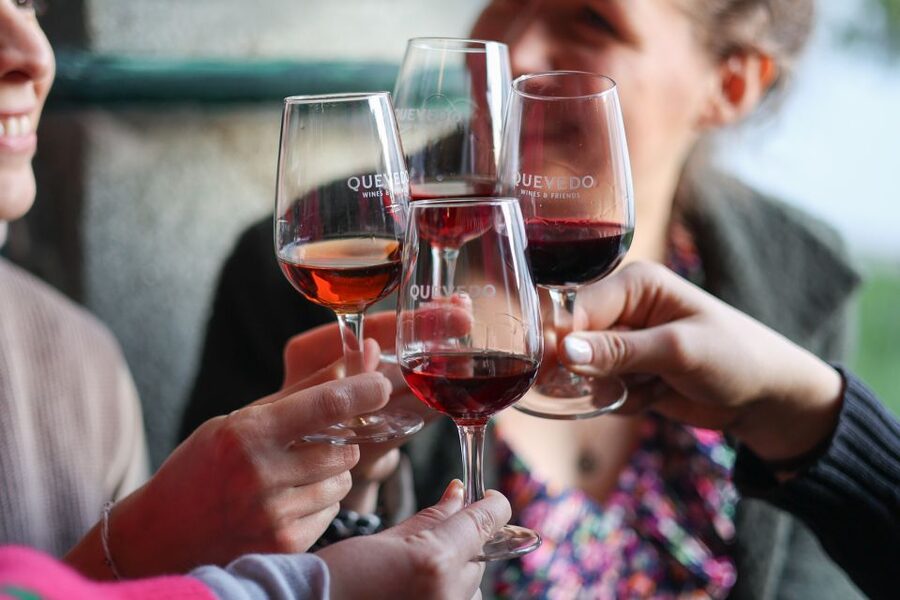
The final pairing is a 2009 Colheita White Port with a traditional Azores cheese aged for seven months, served with local jam. This is the most unusual combination of the three and a good reason not to dismiss White Port as a minor category.
A Colheita is associated with a single harvest year, and the 2009 date gives the guide a clear way to discuss vintage and aging. The tasting does not require you to memorize technical terms. It gives you a concrete example of how a named harvest can shape the identity of a bottle.
The Azores cheese brings a different regional connection. It is not just another version of the local Gaia cheese, and the jam adds sweetness and contrast. Try the cheese first, then the Port, then add a little jam. You may notice that the order changes the balance.
This pairing also provides a nice finish because it feels more like a small dessert course without becoming a full meal. Keep your expectations realistic: the experience includes one cheese portion with each glass, but additional snacks and wines cost extra.
What the guide adds to the hour
The strongest part of this experience is the human side. The wine itself matters, but Port is much easier to appreciate when someone explains what you are tasting and why the glass in front of you differs from the last one.
Guides have been praised for being friendly, patient, engaging, and able to answer detailed questions. That range is useful. A first-time drinker might need a simple explanation of the Port process, while an experienced wine drinker might want to discuss viticulture, bottle aging, or the Douro’s role in production.
The staff also appear to keep the tone relaxed. You should expect conversation rather than a rigid classroom format. One useful feature is the reported lack of pressure to buy. If you find a bottle you like, you can ask about it, but the session is not built around forcing a sale.
Language support includes Portuguese, English, Spanish, and Russian. If English is your preferred language, the experience has received strong praise for clear explanations in English. Still, the exact style will depend on the person leading your group.
There may occasionally be background activity or other groups in the venue. One person found children in another group distracting and would have preferred an adults-only room. This is not presented as the norm, but it is worth remembering that this is a public tasting venue, not a private couple’s appointment.
The Quevedo story and Douro connection
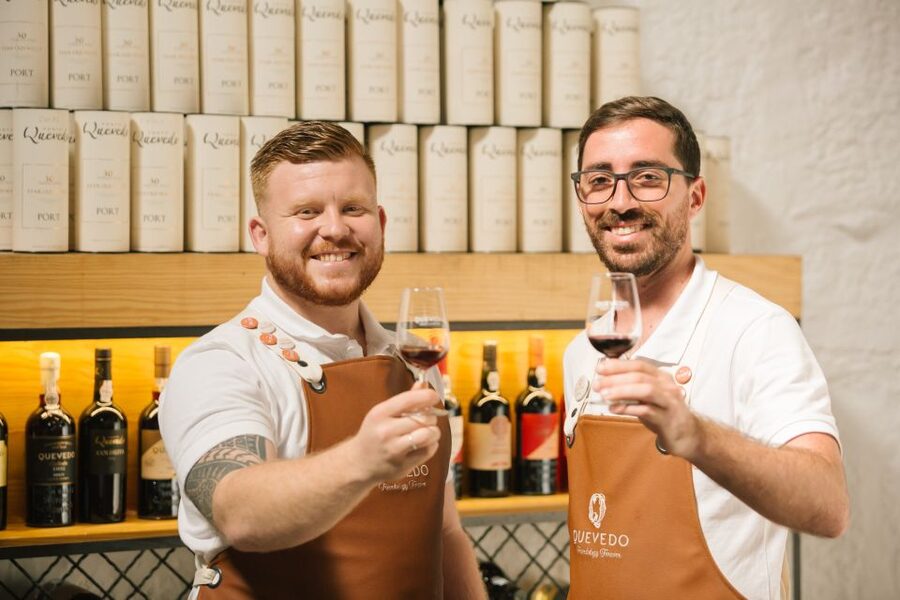
Quevedo is a small family-owned Port business with more than five generations of wine-making experience. The company began bottling under its own brand in 1993, after Portugal entered the European Union and the family could sell wines under its own name.
That makes the company relatively new as a named Port house, even though its family background reaches much further back. I find this distinction useful. You get both a modern independent brand and a connection to older Douro knowledge.
The wines are raised, matured, and bottled in the Douro Valley. The company’s five vineyard properties provide grapes with different aromas and flavors, which helps explain why the tasting includes several distinct profiles rather than three near-identical pours.
The olive groves are also part of the company’s agricultural work, including 25 hectares certified as organic. You may not visit those groves during this one-hour activity, but the detail gives context to the family’s connection with the land. The tasting is not a tour of all five properties, so think of this as an introduction to the producer, not a farm visit.
Price, timing, and what you receive
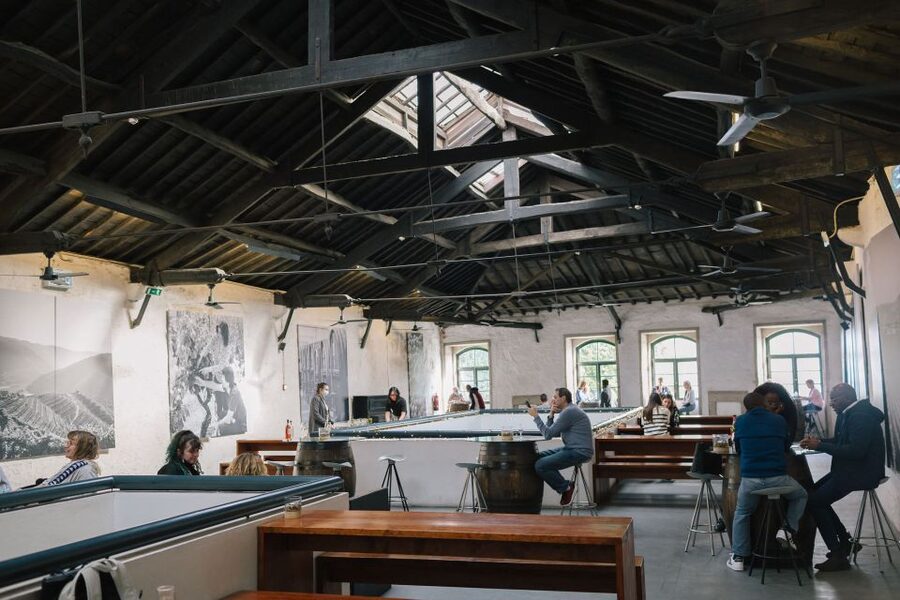
At $30 per person, the cost is reasonable for a short, guided tasting in Vila Nova de Gaia. You receive three 40 ml glasses of Port, three cheese pairings, and a hosted explanation of the wines and company.
The value comes from the comparison. Buying three different bottles to sample at home would cost far more, and you would miss the guide’s explanation and the food pairings. For a visitor with only a few hours in Gaia, this is an efficient way to learn something real about Port.
The price is less attractive if you expect a full cellar tour, a meal, or a long tasting session. This is a focused one-hour appointment. You are paying for instruction, selection, and setting, not for quantity.
The limited group size improves the value. A group of five, as one person experienced, can feel almost conversational. A full group of eight is still manageable, but the experience will be less private. If you want to ask many questions, arrive ready to take part rather than simply sit back.
Free cancellation is available up to 24 hours in advance, and you can reserve while paying later. Starting times vary, so check availability for the date you want. The venue is wheelchair accessible, which makes this a practical option for more visitors than some older wine cellars.
Who should book this Port tasting
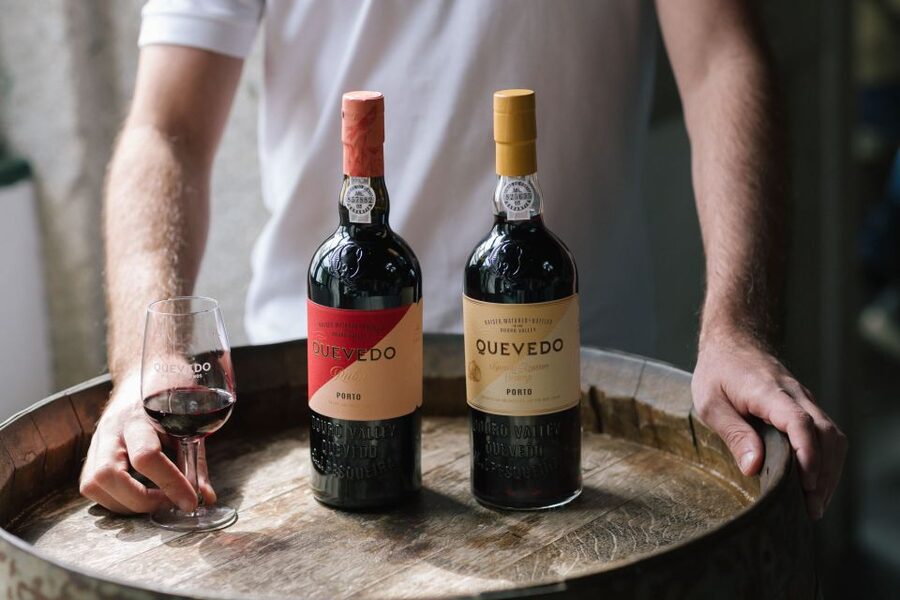
I would choose this for a first visit to Porto, especially if you want a clear introduction without giving half a day to wine tourism. It also suits couples, friends, solo visitors, and small groups who enjoy talking over food and drink.
You will get the most from it if you are curious about differences between Port styles. The session is not designed for people who only want a large glass and a quick photo. It asks you to compare, taste with cheese, and listen to the explanation.
It is also a good pick for people who prefer independent businesses to the biggest, most polished Port brands. Quevedo’s family background and smaller scale give the session a personal feel.
I would choose something longer if you want to see production rooms, aging barrels, or vineyards. One person specifically noted that this is tasting only, with no bodega visit. That is the key limitation, and it should guide your decision.
Is Quevedo’s one-hour tasting worth booking?
Yes, for most visitors who want an affordable and well-organized introduction to Port in Vila Nova de Gaia. The best reasons are the three different styles, the thoughtful Portuguese cheese pairings, the small group cap, and the guides’ ability to explain wine without making it stuffy.
Book it if you want to learn what you like before buying a bottle, or if you have just one hour between riverfront plans. Skip it if you need a full winery tour, a substantial meal, or an adults-only setting guaranteed.
My practical advice is to treat the tasting as a starting point. Pay attention to which glass you prefer, ask how it is aged, and use that answer to choose any additional Port you try later. At $30, Quevedo gives you enough variety and guidance to make the rest of your wine time in Porto more rewarding.
FAQ
Where does the Port tasting take place?
The meeting point is Quevedo Port Wine in Vila Nova de Gaia, in Portugal’s Norte Region.
How long does the experience last?
The tasting lasts one hour.
How many Port wines are included?
Three glasses of Port are included. Each standard tasting pour is 40 ml unless otherwise noted.
Which Port wines are tasted?
The tasting includes Crusted Port, 10-Year-Old Tawny Port, and a 2009 Colheita White Port.
What cheeses are paired with the wines?
The pairings include local-aged sheep cheese, a mixed cow, goat, and sheep-aged paprika cheese, and a seven-month-aged traditional Azores cheese served with local jam.
Is a winery or cellar visit included?
No. This is a tasting experience only, and no bodega visit is included.
What languages are available?
The host or greeter may speak Portuguese, English, Spanish, or Russian.
Is the activity wheelchair accessible?
Yes, the activity is listed as wheelchair accessible.
Can I cancel for a full refund?
Yes. You can cancel up to 24 hours in advance for a full refund.
More Vineyard Visits and Tastings
- Authentic Small Group Douro Wine Tour with Lunch & River Cruise
★ 5.0 · 4,775 reviews - Douro Valley Tour: 2 Vineyard Visits, River Cruise, Winery Lunch
★ 5.0 · 3,542 reviews - Porto: Douro Valley Tour with Wine Tasting, Cruise and Lunch
★ 4.7 · 2,714 reviews - Douro Valley Tour: Wine Tasting, Cruise and Lunch from Porto
★ 4.5 · 2,645 reviews
More Port Cellar Visits
- Porto: Cockburn’s Port Lodge Tour and Tasting
★ 4.8 · 3,360 reviews - Porto: Bridges Cruise with Wine Cellar Tour or Sunset Option
★ 4.1 · 2,758 reviews - Porto: Authentic Fado Show, Port Wine & Handmade Instruments
★ 4.8 · 2,737 reviews - Porto: City Train Tour, River Cruise & Wine Cellar
★ 3.9 · 2,601 reviews
Just added around Porto
- Matosinhos: Conservas Pinhais Factory Tour★ 4.8 · 173 reviews
- Private Geres National Park Tour with Lunch and Transfers★ 5.0 · 174 reviews
- Porto: Tour on the Douro River in a Classic Boat★ 5.0 · 178 reviews
- Porto: Santiago de Compostela and Valença do Minho Day Trip★ 4.5 · 181 reviews
- Porto: 6 Bridges Port Wine River Cruise with 4 Tastings★ 4.8 · 182 reviews
- Private Rafting Experience in Melgaço★ 5.0 · 186 reviews
- Tile Painting and Cocktails in Downtown Porto★ 5.0 · 187 reviews
- Porto: Combined Ticket for WOW Cultural District★ 4.7 · 188 reviews
Port Wine Cellar Tours, compared.
Live Fado Show with Port Wine in Historic Center
Read our review →
Bridges Cruise with Wine Cellar Tour or Sunset Option
Read our review →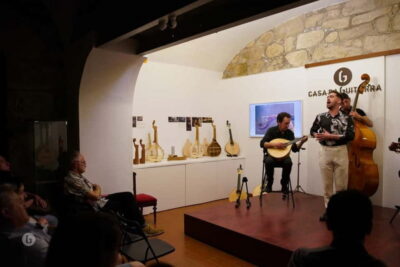
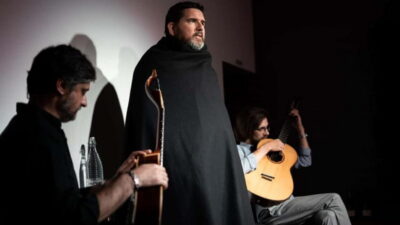
Authentic Fado Show, Port Wine & Handmade Instruments
Read our review →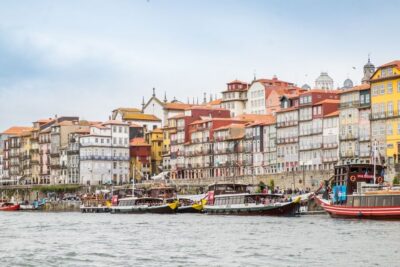
Live Fado Concert with Glass of Tawny Port Wine
Read our review →
Port Wine Lodges Tour Including 7 Port Wine Tastings (English)
Read our review →Browse the lists this tour appears in