
Reviewed · DOLPHIN WATCHING
Horta: University Startup Whale and Dolphin RIB Boat Trip
Whales turn a boat ride into a lesson. This Horta RIB trip pairs fast ocean travel with a University marine researcher, giving you current information as you search for whales, dolphins, turtles, and seabirds around Faial and Pico. I like the land-based whale spotters who help locate animals before the boat heads out, and I like that the crew puts research and animal welfare alongside the excitement.
The small 16-person RIB keeps the outing personal, while waterproof clothing, insurance, and a 3-hour trip are included in the $101 price. The trade-off is the open, bouncy boat: rough seas can make the ride wet and uncomfortable, especially in the front, and sightings can never be promised.
In This Review
- Key points about this Horta whale trip
- Horta harbor is the starting point
- The 10-minute safety briefing
- Whale spotting begins before the RIB leaves shore
- A marine biologist changes the experience
- The 3-hour ocean route
- What you might see around Faial and Pico
- Seabirds and feeding activity add useful context
- Is $101 a fair price?
- Weather can rewrite your plans
- Who should book this experience?
- Practical tips for a better outing
- Should you book the Horta University whale trip?
- FAQ
- Where does the whale-watching trip start?
- How long does the experience last?
- What languages are offered?
- What kind of boat is used?
- Are waterproof clothes included?
- Can children join the trip?
- What happens if the weather cancels the trip?
Key points about this Horta whale trip
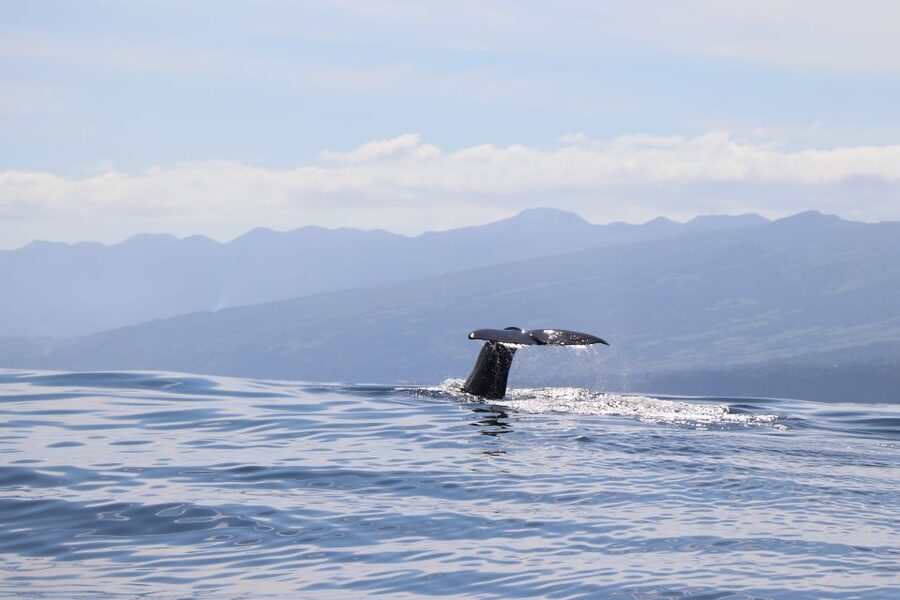
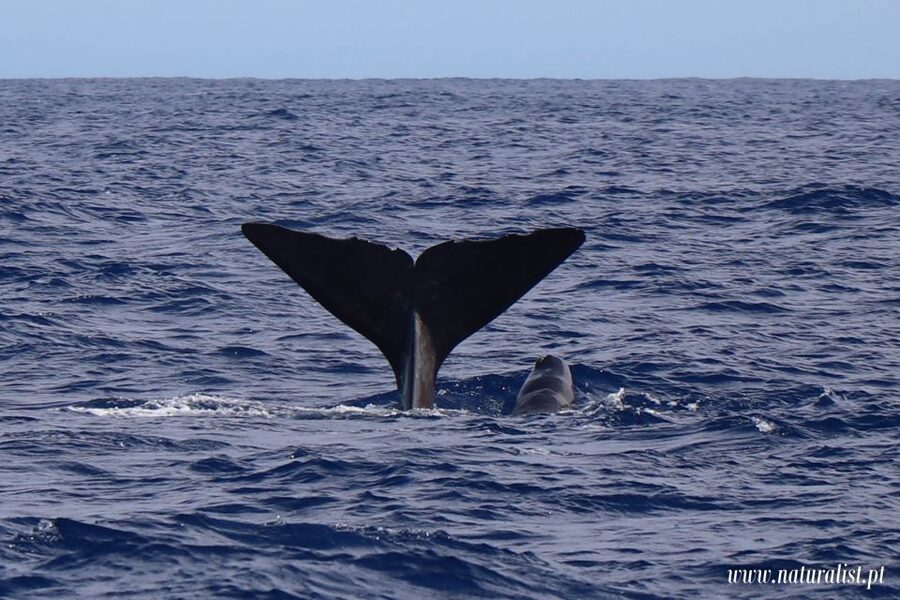
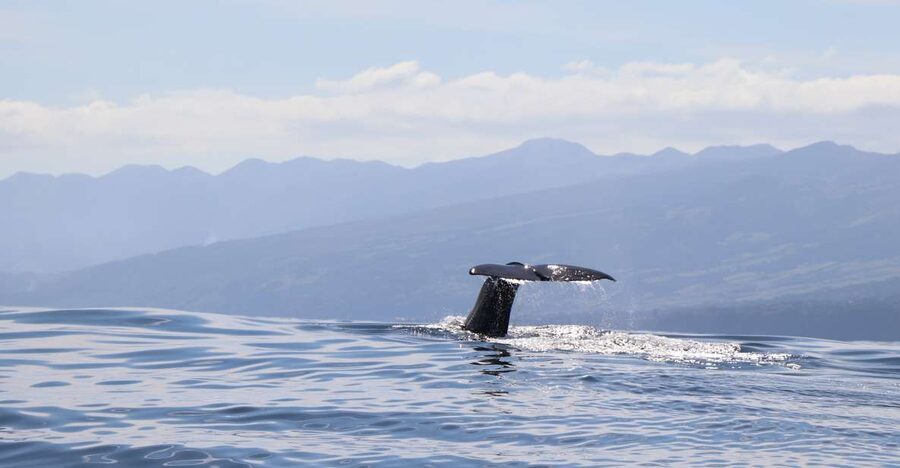
- Resident sperm whales: These impressive whales live around the Azores year-round, giving you a real chance to see them in any season.
- Seasonal whale variety: Blue and fin whales are most likely in spring, while sei and Bryde’s whales can also appear during summer.
- University-led interpretation: A marine researcher or biologist from the University of Lisbon and the University of the Azores joins the boat to explain animal behavior and collect data.
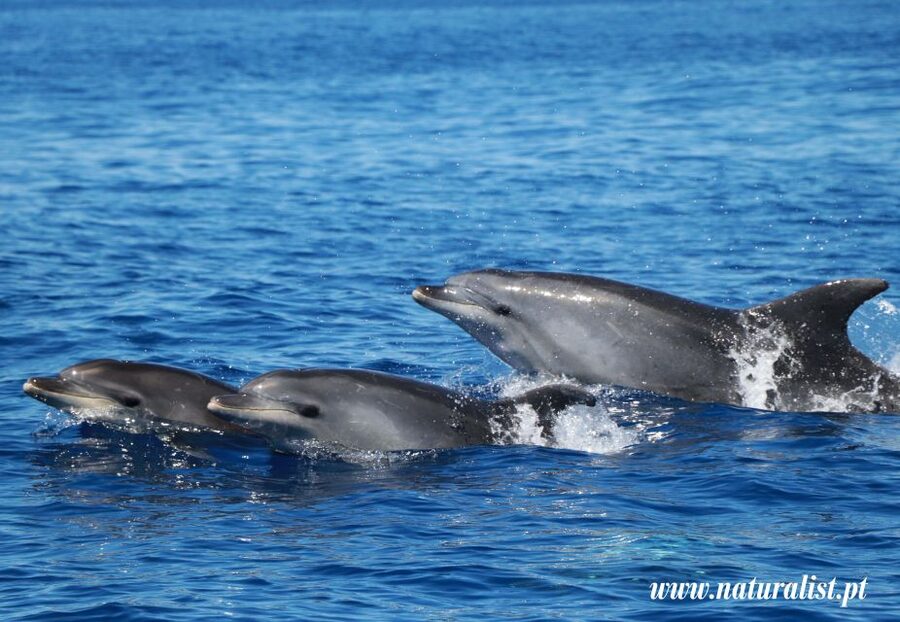
- More than whale watching: Bottlenose, Risso, and common dolphins may appear alongside turtles, flying fish, squid, sharks, sunfish, and shearwaters.
- Fast but small RIB: The boat carries up to 16 people, though some departures have had only 11 or 12 passengers.
- Weather matters: Trips may be rescheduled after storms, with a full refund if the operator cancels.
Horta harbor is the starting point
You meet Naturalist, Science & Tourism, Whale Watching in the marina. Arrive 15 minutes before departure, at 8:45 a.m. for the 9 a.m. trip or 1:45 p.m. for the 2 p.m. departure.
There is no hotel pickup, so you need to make your own way to the harbor. Food and drinks are also not included. That is easy to handle if you eat before the morning departure or bring something for afterward, but do not expect a snack service on the boat.
The marina meeting point keeps the beginning simple. You check in, receive your waterproof clothing, and prepare for a trip that moves quickly from harbor scenery to open water. Since the boat is a semi-rigid inflatable, you should wear shoes that can get wet or dry quickly. One passenger specifically found the waterproof jacket and trousers useful, while another enjoyed hot tea and lemon cookies after a cold, rough outing. The tea and cookies should be treated as a pleasant possibility, not a guaranteed part of the package.
More Boat Tours in Azores
- Azores Whale Watching & Islet Boat Tour
★ 4.6 · 2,146 reviews - Azores Whale Watching & Islet Boat Tour
★ 4.5 · 1,059 reviews - São Miguel: Glass Bottom Boat Tour with Snorkeling
★ 4.7 · 633 reviews
The 10-minute safety briefing
The formal safety briefing takes about 10 minutes. This is more important on a RIB than it would be on a large sightseeing boat because you sit close to the water and feel the boat’s movement directly.
Pay attention to how to sit, where to hold on, and what to do if the sea becomes rough. The crew provides safety insurance and waterproof clothes, but the clothing cannot remove the effects of wind, spray, or waves.
The boat is not suitable for children under five, pregnant women, people with serious back problems, or anyone recovering from recent surgery. The operator also advises against the trip for people with severe back problems. This is not a gentle harbor cruise. It is a practical wildlife expedition using a fast boat.
Whale spotting begins before the RIB leaves shore
Faial and Pico have a long tradition of watching whales from land. Naturalist works with whale spotters who scan the water and help direct the boat toward active areas. That land-based support matters because the ocean is enormous, and finding a whale is not as simple as driving to a fixed viewing point.
You will not be given a guaranteed species list before departure. Instead, the team shares current information about which animals have recently been present. Conditions, food, currents, and animal movement all affect the day’s search.
The region has more than 25 cetacean species. Most trips see two or three kinds, although some outings produce a far longer list. One particularly strong trip included sperm, sei, and humpback whales, hundreds of dolphins, and thousands of seabirds. Another produced three kinds of whales, dolphins, tuna, and shearwaters.
That range is part of the appeal, but it also explains why a trip can feel different from one date to the next. A four-star experience with no whale sighting is possible, as one passenger experienced. The crew can search carefully, but it cannot control wild animals.
A marine biologist changes the experience
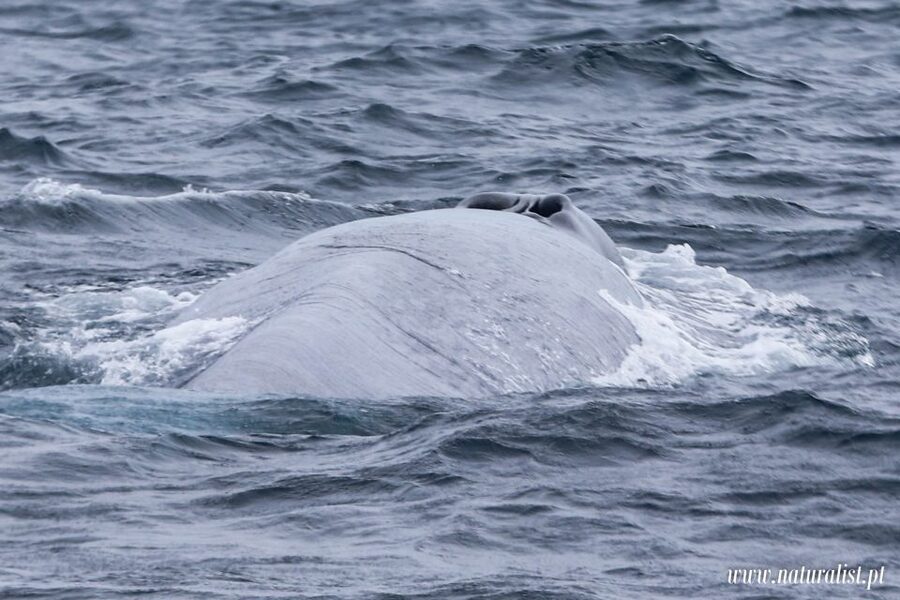
The marine researcher on board is the main reason this tour feels different from a basic sightseeing ride. You are not only watching a blow, a dorsal fin, or a pod racing beside the boat. You are also learning how scientists identify species, interpret behavior, and record what they find.
Anna received especially strong praise for her clear explanations. Cristiana also shared detailed information on whales and dolphins during a departure that included three sei whales, a Bryde’s whale, and several dolphin species. Another biologist photographed the animals, with the best images later provided as a complimentary service on that outing.
The team also collects research data. That gives your ticket a purpose beyond entertainment, since part of the activity supports university work and marine study. Still, the exact number of researchers can vary. One departure had two marine biologists, while the standard description promises a marine researcher or biologist on board.
The trip is offered in English and Portuguese. The detailed expedition information also lists Spanish, while French needs to be requested in advance and depends on availability. If language is important to you, confirm it before booking.
More Dolphin Watching in Azores
- From Ponta Delgada: Whale and Dolphin Watching Trip
★ 4.7 · 4,109 reviews - Terceira: Whale and Dolphin Watching in a Zodiac Boat
★ 4.8 · 230 reviews - São Miguel: Wild Swimming with Dolphins
★ 4.7 · 222 reviews - Terceira: Half-Day Dolphin and Whale Watching Tour
★ 4.6 · 219 reviews
The 3-hour ocean route
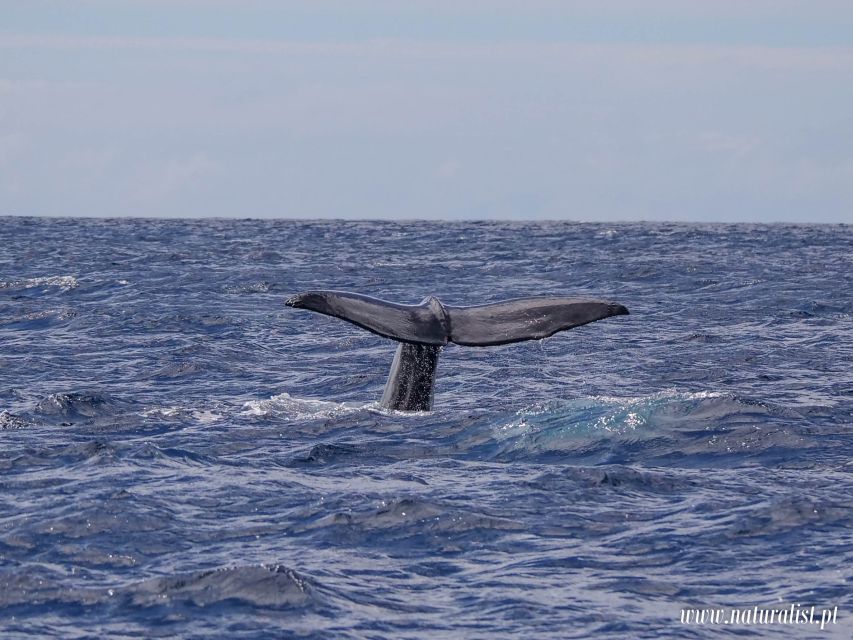
The full expedition averages three hours. The listed route includes scenic views on the way, wildlife viewing, dolphin watching, whale watching, marine-life observation, and a photo stop. The exact sequence is flexible because the boat follows the animals rather than a fixed circuit.
That flexibility is useful. If whales are reported in another area, the captain may change course. One successful trip included two separate moves after waiting for the animals, with the captain positioning the RIB to meet the whales. This kind of adjustment shows why the boat needs time and why a three-hour booking is more useful than a short harbor outing.
The ride can be turbulent. A fast RIB makes it possible to cover more sea, but it also transfers more movement to your body. The front seats are likely to receive more spray, so you should choose your position with the weather in mind. The boat’s speed can feel thrilling, even like a fairground ride, but that is not ideal if you want a calm, dry morning.
Once animals are found, the captain keeps a careful distance. This is important for both safety and wildlife protection. You may see a whale surface, breathe, and disappear before it appears again. Dolphins may approach the boat or move through the waves, but the encounter is never staged.
What you might see around Faial and Pico
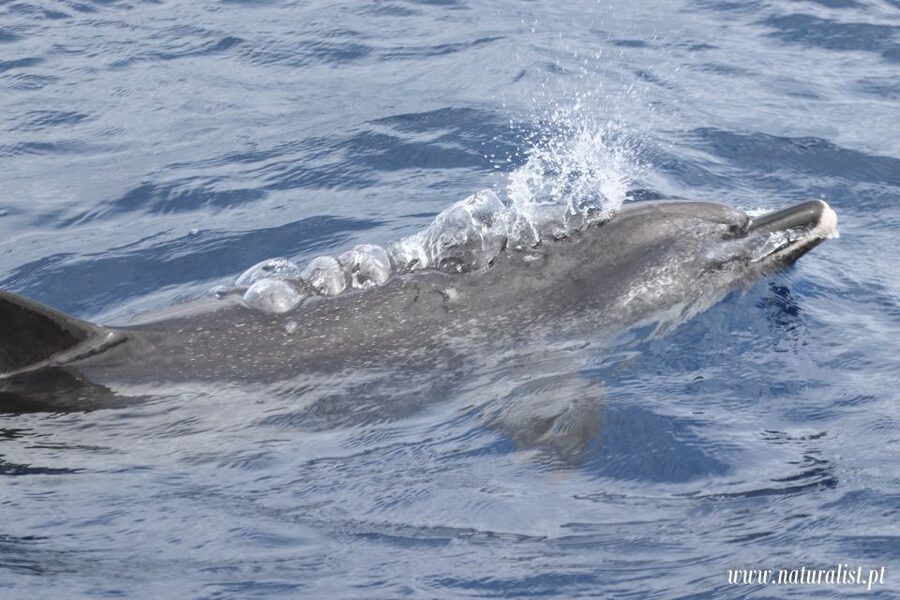
Sperm whales are the most dependable large whale in the regional species list because they live in the Azores throughout the year. Their presence gives the trip a solid wildlife foundation even outside the main migration periods.
Spring brings better chances for blue and fin whales. These are among the largest animals on Earth, so a seasonal visit can be timed around them if that is your main goal. Sei and Bryde’s whales may occur in summer, while humpback whales are migratory and appear as conditions bring them through the region.
Dolphins add energy to the outing. Bottlenose, Risso’s, and common dolphins are resident species, and other migratory kinds may pass through. A large pod can turn the ride into a lively show of movement, with dozens or even hundreds of animals feeding and traveling together.
The Azores also support a wider mix of marine life:
- Loggerhead and green turtles live in the region.
- Leatherback and Kemp’s ridley turtles may also appear.
- Flying fish can skim across the surface.
- Squid and octopus are possible sightings.
- Hammerhead and blue sharks may be seen.
- Ocean sunfish can appear near the boat.
- Tuna may join feeding activity.
- Cory’s, great, and Manx shearwaters provide regular birdwatching interest.
- Common and roseate terns may pass overhead or feed near the water.
No one should book this trip expecting every species on that list. Think of it as a search for a changing ocean community, with whales and dolphins as the main targets and everything else as a welcome bonus.
Seabirds and feeding activity add useful context
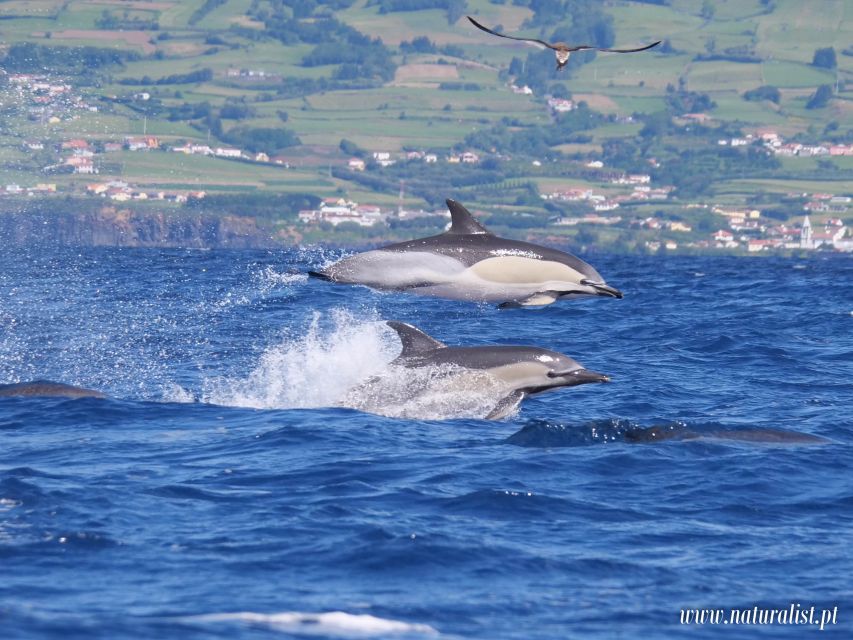
Whale watching often focuses on the biggest animals, but seabirds can help explain what is happening below the surface. A group of shearwaters or terns feeding in one area may point to fish activity, which can also attract dolphins and whales.
One departure saw whales, hundreds of dolphins, and thousands of birds feeding together. That sort of scene gives you a better sense of the ocean as a connected food system rather than a stage where one star animal appears on command.
If whale sightings are slow, keep watching the surface. Flying fish, tuna, turtles, and seabirds can make the time worthwhile. The marine biologist can help you understand what you are seeing instead of leaving you to guess at distant shapes.
Is $101 a fair price?
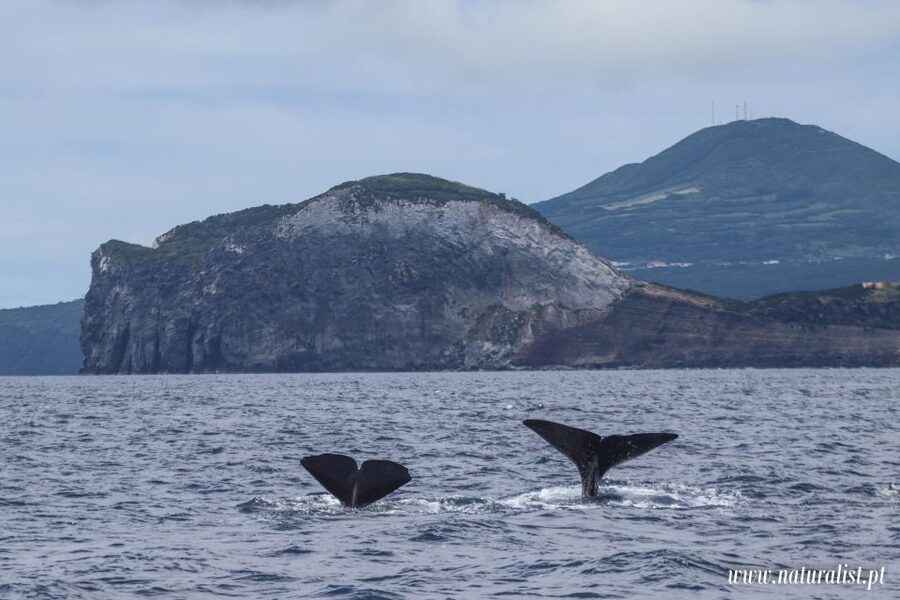
At $101 per person, this is not the cheapest way to spend a morning in Horta. The value comes from the three-hour duration, small boat, specialist guide, waterproof clothing, safety insurance, and university connection.
A standard whale-watching trip may give you a boat ride and a guide. Here, the researcher adds scientific explanation and may collect data during the outing. The crew also has help from land-based whale spotters, which supports the search process.
The price looks strongest if you care about the quality of the interpretation, not just the number of animals seen. If your only goal is a guaranteed whale photograph, no operator can offer that in the wild. If you want a careful expedition with a better understanding of Azorean marine life, the cost is easier to justify.
The smaller group size improves the value too. The RIB holds up to 16 people, but some trips have operated with only 11 or 12 passengers. That gives you a better chance of hearing the guide and seeing around other people than you would on a much larger vessel.
Weather can rewrite your plans
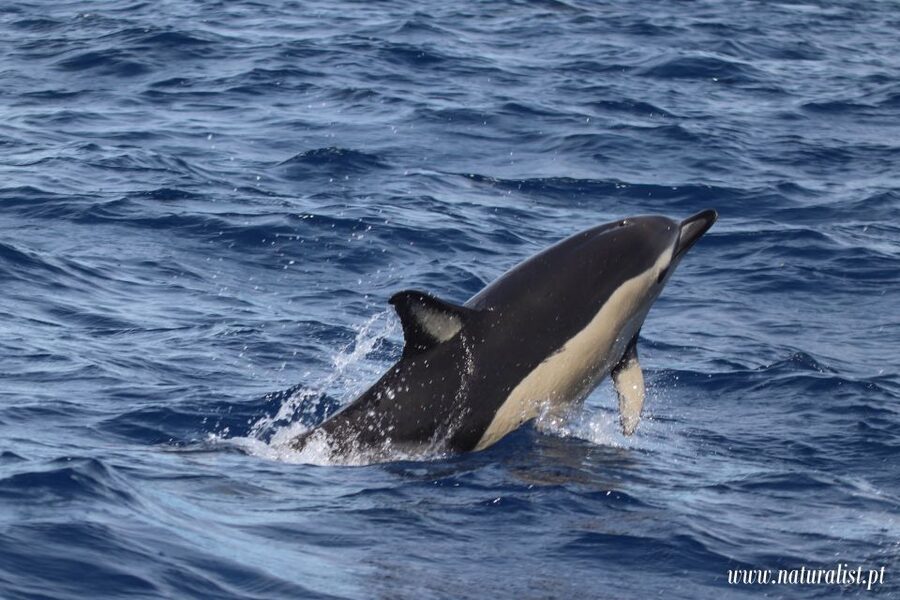
The ocean decides the schedule. Storms can cancel a departure or force a new date. The operator allows rescheduling and offers a full refund if the trip is canceled because of weather.
A storm once prevented an original departure, but the company arranged a new date and even made it possible for the group to begin from Pico. That kind of flexibility matters if your island plans are tight, especially since the Azores can make weather a serious travel factor.
You can cancel up to 24 hours ahead for a full refund. A reserve-now, pay-later option is also available, which helps if you are building a longer island itinerary. Check the departure schedule before committing to another activity on the same day, since the morning trip runs from 9 a.m. and the afternoon trip from 2 p.m.
Who should book this experience?
I would choose this trip if you want a small-group wildlife outing with real marine science behind it. It suits adults, older children over five, birdwatchers, photographers, and anyone who wants more than a quick look at a whale.
It is also a good fit if you are staying in Horta but can remain flexible around the forecast. The boat crew may need to adjust the route, and the best day for wildlife may not be the day you first planned.
I would think twice if you have back trouble, recent surgery, or a strong aversion to spray and rough movement. Even with waterproof trousers and a jacket, you may get wet. The front of the boat is especially exposed.
You should also accept the basic rule of wild animals: the sea does not owe you a whale. The strongest reason to book is the combination of possible sightings and excellent interpretation, not a promise of a particular species.
Practical tips for a better outing
Arrive early enough to be at the marina by 8:45 a.m. or 1:45 p.m. The briefing starts before departure, and you do not want to delay a small group.
Wear quick-drying shoes and layers under the provided waterproof clothing. Bring a camera if you like, but keep it secure. The boat may move quickly, and spray is part of the experience.
If you are sensitive to motion, consider choosing the departure with the calmer forecast rather than simply the time that fits your schedule. You can ask about current sea conditions and recent species presence before leaving.
Keep your attention on the horizon and the water around the boat. The big sighting may be a sperm whale’s blow, but a turtle, sunfish, shearwater, or small dolphin group can appear with little warning.
Should you book the Horta University whale trip?
Yes, if you want a serious wildlife outing with a friendly crew, a small RIB, and university-level marine interpretation. The strongest features are the researchers on board, careful boat handling, land-based whale spotting, and the wide range of possible marine life.
Book with realistic expectations. You may see several whales and huge dolphin groups, or you may spend the three hours searching without a whale. For most people, the science, scenery, seabirds, and chance encounters still make the trip worthwhile. Keep your schedule flexible for weather, dress for a wet ride, and choose this experience for the quality of the expedition rather than a guaranteed checklist.
FAQ
Where does the whale-watching trip start?
The meeting point is Naturalist, Science & Tourism, Whale Watching, in the marina at Horta. You should arrive 15 minutes before departure.
How long does the experience last?
The expedition lasts about three hours. Departures are scheduled at 9 a.m. and 2 p.m., subject to availability.
What languages are offered?
Live guides are listed in English and Portuguese. Spanish is also described as available for expeditions, while French must be requested in advance and depends on availability.
What kind of boat is used?
The experience uses a semi-rigid inflatable RIB boat with space for up to 16 passengers.
Are waterproof clothes included?
Yes. Waterproof clothing, safety insurance, the animal briefing, and a marine researcher on board are included.
Can children join the trip?
Children under five are not permitted. The activity is also not suitable for pregnant women, people with serious back problems, or people with recent surgeries.
What happens if the weather cancels the trip?
Trips depend on sea and weather conditions. If the operator cancels, the outing can be rescheduled, or you can receive a full refund. You can also cancel up to 24 hours before departure for a full refund.
More Whale Trips
- From Funchal: Ecological Catamaran Dolphin Whale Watching
★ 4.5 · 5,771 reviews - Funchal: Dolphin and Whale Watching Catamaran Cruise
★ 4.5 · 5,697 reviews - Funchal Bay: Dolphin & Whale Watch Luxury Catamaran Cruise
★ 4.2 · 2,684 reviews - All Inclusive Whale and Dolphin Watching Luxury Tour
★ 4.9 · 2,573 reviews
More Whale Watching in Azores
- São Miguel Azores: Half-Day Whale Watching Trip
★ 4.5 · 983 reviews - Azores Whale Watching Tour – Ponta Delgada
★ 4.5 · 740 reviews - Pico Island: Whale Watching Experience from Lajes
★ 4.9 · 492 reviews
Just added around Azores
- Terceira Island: Caves and Craters Tour★ 4.6 · 169 reviews
- São Miguel, Azores: Sete Cidades Half-Day Jeep Tour★ 4.9 · 172 reviews
- Island Van Tour (Full Day) | Terceira Island★ 4.9 · 176 reviews
- Wine & Food Evening Walking Tour in Ponta Delgada, incl. dinner★ 5.0 · 177 reviews
- Faial Island: Half Day Tour★ 4.8 · 181 reviews
- Furnas Volcano & Tea Plantation With Traditional Lunch, East Tour★ 5.0 · 183 reviews
- São Miguel Island: Full Day All-in-One Tour★ 4.9 · 183 reviews
- Full Day Jeep Tour Furnas with lunch (Cozido) and drinks included★ 5.0 · 187 reviews
Dolphin Watching, compared.

Benagil Caves & Dolphin Watching Speed Boat Tour
Read our review →

Dolphins Search and Benagil Caves from Albufeira
Read our review →
Benagil Caves & Dolphins Watching with Biologist
Read our review →Browse the lists this tour appears in