

Reviewed · TICKETS
Lisbon: National Tile Museum E-Ticket & Audio Guide
Tiles tell Lisbon’s story. The National Tile Museum combines beautiful Portuguese azulejos with a phone-based audio guide, giving you the freedom to explore at your own pace. I especially like the Mickey Mouse tile panel and the peaceful courtyard, and the e-ticket makes arrival simple. The main drawback is that the audio guide may not follow the museum route in a clear order, so you may need to select sections manually.
At $16 per person, this works best for visitors who want context rather than a quick look at pretty walls. I also like that the audio content works offline and can be replayed. Bring your own smartphone and headphones, though, because neither is included.
In This Review
- Key points to know before you go
- Why Lisbon’s tile museum deserves your time
- What the 1 to 2 hour visit feels like
- The Mudéjar patterns and Portugal’s early tile tradition
- The Dona Leonor Chapel and the museum’s setting
- The Mickey Mouse panel and the Diamond-patterned panel
- How good is the smartphone audio guide?
- Entry, queues, and the meaning of skip-the-line
- Getting there and planning your visit
- Who will get the most from this ticket?
- Final decision: should you book it?
- FAQ
- How long does the National Tile Museum visit take?
- Is the audio guide included?
- Do I need to bring my own phone and headphones?
- Is the museum wheelchair accessible?
- Can children enter for free?
- Can I cancel the booking?
Key points to know before you go
- The Mickey Mouse panel is an unexpected highlight: It gives the museum a playful modern touch among centuries-old Portuguese tiles.
- The Dona Leonor Chapel adds real atmosphere: The decorated chapel is one of the most memorable spaces in the museum.
- The audio guide works at your pace: You can pause, replay, or skip stories instead of following a live guide.
- Allow more than the advertised minimum: One to two hours is possible, but the collection can easily hold your attention for three hours.
- The app needs preparation: Download the guide before arriving, check your email and spam folder, and leave about 100 to 150 MB of phone storage.
- Skip-the-line access has limits: The ticket includes the service, but long entrance queues can still occur.
Why Lisbon’s tile museum deserves your time
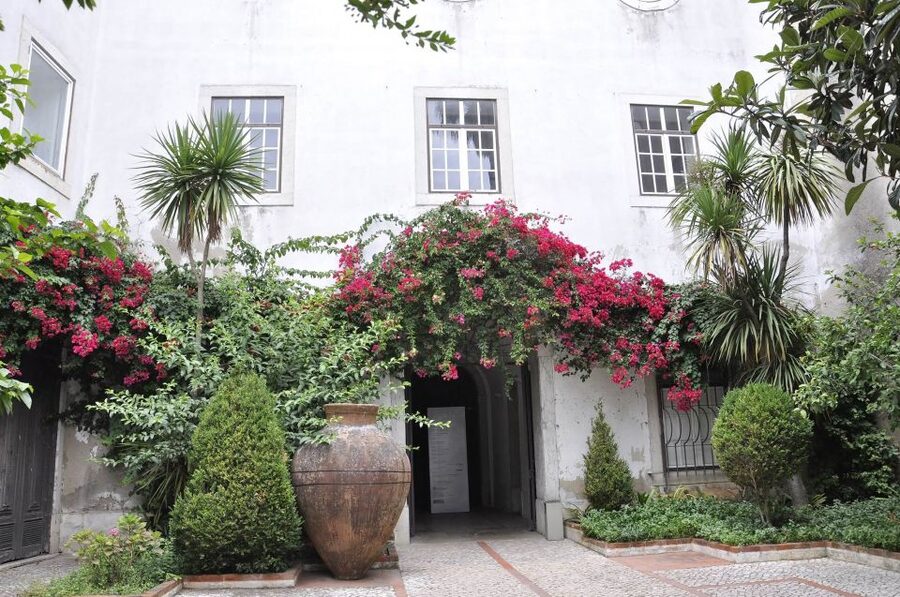
Lisbon is famous for its tiled facades, but the National Tile Museum helps explain how that tradition developed. You are not simply looking at decorative squares. The exhibits connect tile making with Portugal’s medieval past, religious art, architecture, and later design.
The museum is housed in a former religious setting, which gives the visit more character than a standard gallery. The building itself helps frame the collection, especially the Dona Leonor Chapel and the courtyard area near the cafeteria.
I find this useful early in a Lisbon trip. Once you understand the patterns, colors, and historical changes inside the museum, you start noticing the city’s tiled buildings with a sharper eye. A facade that might otherwise look like decoration begins to feel like part of Portugal’s cultural story.
The collection covers a long period, from Mudéjar patterns and 16th-century work to more modern pieces. That range keeps the visit from becoming repetitive. You move between geometric designs, religious scenes, large wall panels, and more recent examples of tile art.
More Museum Tours in Lisbon
- Lisbon: Luz Stadium Tour & SL Benfica Museum Ticket w/Scarf
★ 4.7 · 3,264 reviews - Lisbon: National Tile Museum Entry Ticket
★ 4.6 · 868 reviews - Lisbon: Banksy Museum Permanent Exhibition Entry Ticket
★ 4.7 · 506 reviews
What the 1 to 2 hour visit feels like
The stated visit length is one to two hours, which is reasonable if you focus on the main rooms and listen selectively. If you read every label and play most audio segments, plan on extra time. One detailed visit could easily stretch toward three hours.
Your experience begins with the e-ticket and the audio guide on your phone. After booking, you receive instructions by email for downloading the app and audio content. I would handle this before leaving your accommodation. The guide includes offline text, narration, and maps, so you do not need to rely on a strong connection inside the museum.
The audio guide is in English. It is designed around short stories and facts rather than a live person leading you from room to room. That format gives you control, but it also means you must pay attention to the app and choose the section that matches your location.
This is the most important practical point. The audio does not always play in the same order as your walk through the museum. If you start at the beginning and then move ahead physically, you may find yourself listening to descriptions for rooms you have already passed. Look for the image or room section that matches where you are standing, then start there.
The guide contains useful background and uncommon details, but you do not have to hear every word. You can skip sections, pause the narration, or play a passage again. That flexibility suits visitors with different interests. I would listen more carefully in the chapel and around the major panels, then move faster through displays that hold less interest for you.
The Mudéjar patterns and Portugal’s early tile tradition
The Mudéjar patterned tiles are an important early stop. Their geometric designs reflect the influence of Islamic artistic traditions on the Iberian Peninsula. Even without a specialist background, you can appreciate the discipline of the repeating shapes and the way the patterns cover a surface.
The audio guide helps place these tiles in a wider Portuguese setting. Instead of treating them as isolated objects, it explains how tile decoration became part of the country’s visual identity. This is where the ticket offers value beyond simply entering the museum.
Take time to look closely at the repeated details. From a distance, a panel may seem like one broad pattern. Up close, you notice how small shapes fit together and how carefully the design was planned.
The museum’s presentation also lets you compare older tile work with later examples. That comparison is one of the strongest reasons to visit in person. Photographs can show color and scale, but they do not give you the same sense of how an entire wall or chapel changes when covered in tile.
The Dona Leonor Chapel and the museum’s setting
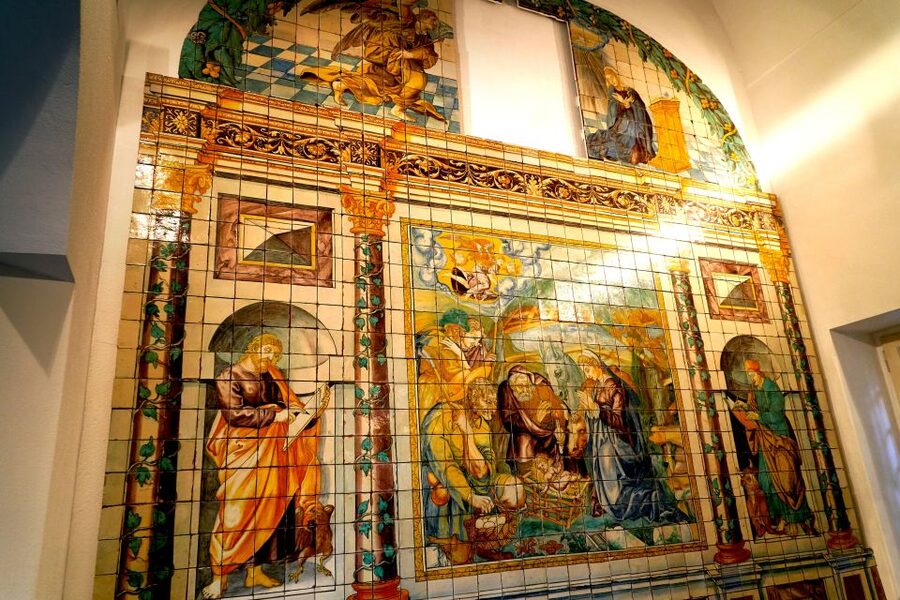
The Dona Leonor Chapel is among the spaces I would make a priority. It gives the visit a strong sense of place, with tile decoration linked to a religious setting rather than displayed only on gallery walls.
The chapel is not just another room on a list. Its architecture and tile work belong together, so pause before moving on. Look at how the decoration relates to the walls, openings, and shape of the space. The result feels more complete than viewing individual tiles in glass cases.
The building’s former religious character also helps explain why tile became so important in Portugal. Religious buildings offered large surfaces for decoration and storytelling. Tiles could cover walls with images and patterns while also shaping the mood of a room.
The courtyard is another welcome feature. Near the cafeteria, you may find a pretty garden area with tables and chairs. It gives you somewhere to sit with food or a drink and makes the museum easier to enjoy at a relaxed pace. If you are visiting during a full day in Lisbon, this pause can be just as useful as another exhibit.
More Self-Guided Tours in Lisbon
- Lisbon: São Jorge Castle E-Ticket and Audio Guide
★ 4.3 · 2,182 reviews - Lisbon: Tram 28 Entry Ticket & Audio Guide with 24-Hour Pass
★ 4.0 · 930 reviews - Lisbon: Jerónimos Monastery E-Ticket and Audio Guide
★ 3.7 · 660 reviews
The Mickey Mouse panel and the Diamond-patterned panel
The Mickey Mouse tile panel is an especially amusing surprise. In a museum focused on centuries of Portuguese tile work, a panel featuring a familiar modern character breaks up the expected sequence. It also shows that tile decoration did not stop with religious or historical subjects.
I would not treat this as a quick novelty and move on. The panel gives you a chance to think about how the medium changed over time and how tile art could serve popular culture as well as churches and grand interiors.
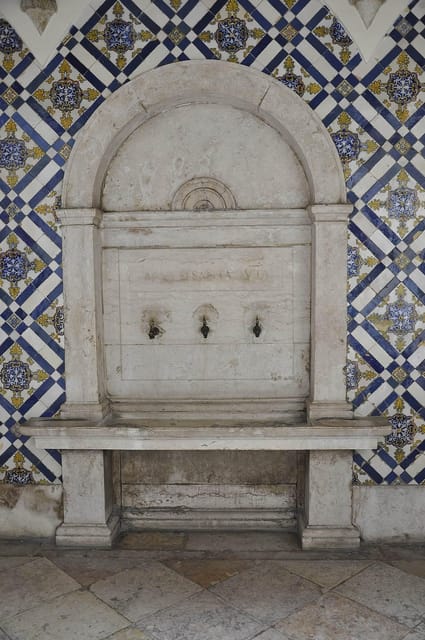
The Diamond-patterned panel offers a different kind of pleasure. Its appeal comes from structure and repetition rather than a recognizable figure. Stand back first to see the full pattern, then move closer to inspect the arrangement of individual tiles.
Together, these two displays help make the collection accessible. The Mickey Mouse panel catches your eye with a familiar image. The Diamond-patterned panel rewards slower looking. You get both an easy entry point and a more traditional example of tile design.
The collection also includes a 16th-century tile that the audio guide uses to explain the period. Listen for the historical connections, but do not feel tied to a fixed sequence. The best approach is to match the app’s image or room title to what you are seeing.
How good is the smartphone audio guide?
The audio guide is informative and easy to replay once you understand the app. It provides short stories, historical facts, text, narration, and maps, all stored for offline use. For visitors who prefer some explanation with their art, that is a useful addition.
The narration can also help you notice details that wall labels might not explain. You hear about the tile industry from Portugal’s medieval period through more modern times, which gives the collection a clear timeline.
Still, this is not the same as having a live guide beside you. Nobody is there to answer a question, adjust the pace, or point out a detail you missed. The content can also feel slightly disconnected from your physical route if you do not select the correct room.
I would download everything before entering and test the audio. You need an Android phone running version 5.0 or later, or an iPhone with a compatible iOS system. The guide does not work with Windows Phones, iPhone 5, iPhone 5C, older iPhones, older iPod Touch models, or older iPads listed in the booking information.
Set aside around 100 to 150 MB of storage. Bring headphones, since they are not supplied. You also need one booking per device used, not one booking for every person in your party. If two people want to listen separately, check the device requirement before buying.
Entry, queues, and the meaning of skip-the-line
The adult ticket costs $16 and includes museum entry, the audio guide, offline content, and skip-the-line service. That price is fair if you use the guide and spend at least two hours with the collection. It is less attractive if you plan only a short walk through the rooms and do not listen to the commentary.
The skip-the-line wording needs a little caution. Long queues may still occur at the entrance, and the museum can change the visiting route or entry process. So treat the ticket as a way to simplify admission, not a promise that you will never wait.
Free admission for children up to 12 is available. Free and reduced tickets must be obtained on-site and do not include skip-the-line privileges. Families should compare the adult ticket price with the time savings they want before booking.
The small-group option is limited to 10 participants, though the core experience is self-guided. This may be useful if the booking option includes a controlled group entry, but you should still expect to explore with your own phone rather than follow a live person.
Getting there and planning your visit
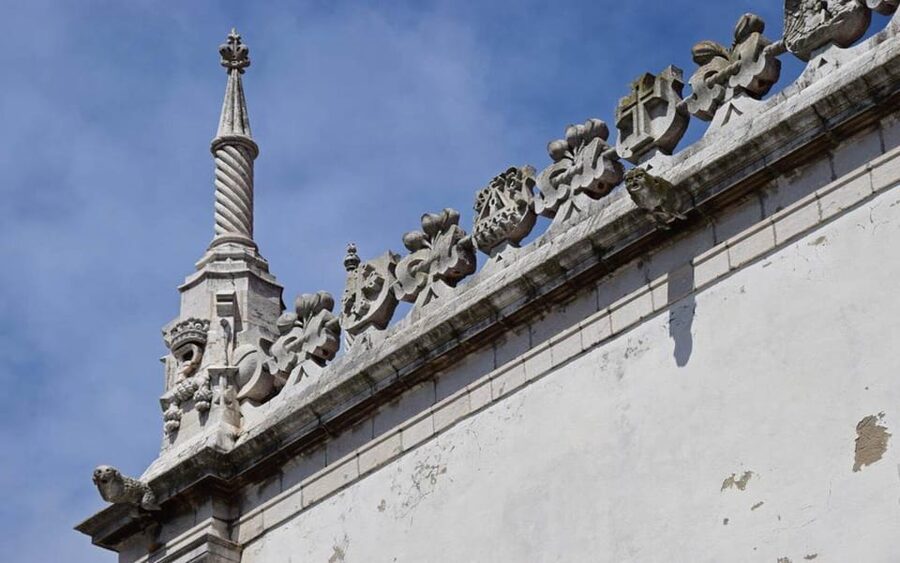
The exact meeting point can vary with the option you book, so check the instructions sent after purchase. A taxi from central Lisbon has been described as an easy way to reach the museum.
Since the guide arrives by email, check your spam folder if the instructions do not appear quickly. Download the app, audio, map, and text before setting out. This small bit of preparation prevents the most common problem: arriving at the museum with a ticket but no usable commentary.
The museum is wheelchair accessible. The course of the visit may be modified, so follow the site’s instructions when you arrive. Allow extra time if you need a slower pace, a courtyard break, or help navigating the audio sections.
Free cancellation is available up to 24 hours before the scheduled visit for a full refund. That is helpful if your Lisbon plans depend on changing weather or transport.
Who will get the most from this ticket?

I would recommend this experience to you if you enjoy museums but do not want to join a fixed tour. You can linger over the panels that interest you, skip material that does not, and replay explanations when needed.
It also suits first-time visitors who want context for Lisbon’s tiled buildings. The museum explains the medium in a way that can make the rest of the city more meaningful.
Families may appreciate the Mickey Mouse panel and the freedom to move at their own pace. Children up to 12 enter free, though younger children may not want to spend two or three hours with detailed audio commentary.
Art and design enthusiasts should plan extra time. The geometric patterns, large panels, chapel, and changes across the centuries reward close attention.
I would be more cautious if you dislike navigating apps or want a polished, room-by-room route. The audio guide is not always ordered exactly as you walk, and you must bring a compatible phone and headphones.
Final decision: should you book it?
Book this ticket if you want a flexible museum visit with enough explanation to understand Portugal’s tile tradition. The Dona Leonor Chapel, Mudéjar patterns, Mickey Mouse panel, and Diamond-patterned panel provide a good mix of serious art, architectural setting, and unexpected fun.
Skip it if you only want a quick look or prefer a live guide who controls the route. You can still see the museum without using the audio, and wall labels provide some information, but the ticket’s value is strongest when you download and use the commentary.
My practical choice would be to reserve it, prepare the app before arrival, and allow two hours at minimum. If the collection catches your attention, give yourself closer to three hours. That extra time lets you look properly rather than rushing past the very tiles that make Lisbon memorable.
FAQ
How long does the National Tile Museum visit take?
The stated duration is one to two hours, but you may want longer if you listen to most of the audio guide and study the exhibits carefully.
Is the audio guide included?
Yes. The adult ticket includes an English audio guide for your smartphone, along with offline text, audio narration, and maps.
Do I need to bring my own phone and headphones?
Yes. A compatible Android or iOS smartphone is required, and headphones are not included. You will also need around 100 to 150 MB of storage.
Is the museum wheelchair accessible?
Yes, the National Tile Museum is wheelchair accessible.
Can children enter for free?
Children up to 12 years old can enter for free. Free and reduced admission tickets must be obtained on-site and do not include skip-the-line privileges.
Can I cancel the booking?
Yes. You can cancel up to 24 hours in advance for a full refund.
More Self-Led Routes
- Funchal: Pico do Arieiro Sunrise Transfer Self-guided Hike
★ 4.9 · 2,798 reviews - Sintra: Quinta da Regaleira E-Ticket and Audio Guide
★ 4.2 · 1,731 reviews - Pinhão: 2-Hour Rabelo Boat Tour with Audio Guide
★ 4.3 · 1,224 reviews - Rabaçal: 25 Fontes & Risco Levada Transfer Self-guided Hike
★ 4.8 · 841 reviews
More Galleries and Collections
- Lisbon: Belem, Jeronimos Monastery, and Coach Museum Tour
★ 4.8 · 478 reviews - Lisbon: MAAT Gallery and MAAT Central Entry Tickets
★ 4.1 · 422 reviews - Lisbon: 3D Fun Art Museum Admission Ticket
★ 4.6 · 401 reviews - Lisbon SL Benfica Stadium & Museum Tour with Scarf
★ 4.5 · 327 reviews
Just added around Lisbon
- Central Lisbon E-Bike Tour★ 5.0 · 168 reviews
- From Lisbon: Sintra and Cascais Full-Day Private Tour★ 4.9 · 168 reviews
- Experience the Queen of Fado at Ah Amália Living Experience★ 5.0 · 171 reviews
- Lisbon – Vinho Verde Wine Premium Boat Experience★ 5.0 · 171 reviews
- Lisbon: 2-Hour Sunset Sailing Tour on Luxury Sailing Yacht★ 4.9 · 171 reviews
- From Lisbon: Small Group Fátima & Little Shepherds Town Tour★ 4.8 · 171 reviews
- Horse Riding on the Beach★ 4.5 · 171 reviews
- Óbidos: Medieval Tales & Secrets Spots Guided Walking Tour★ 4.9 · 171 reviews
Tickets, compared.





Quinta da Regaleira Skip-the-Ticket-Line Entry & Audioguide
Read our review →
Luz Stadium Tour & SL Benfica Museum Ticket w/Scarf
Read our review →
Browse the lists this tour appears in