Reviewed · LISBON TOURS
Lisbon’s Post-Colonial Feast
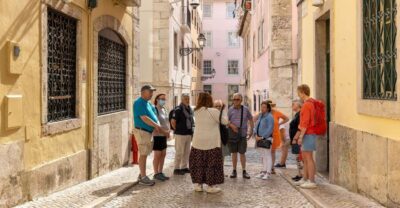
Food can open doors that monuments leave closed. Lisbon’s Post-Colonial Feast connects the city’s food with Portugal’s difficult past, taking you through several central neighborhoods while introducing dishes influenced by Brazil, Goa, Angola, and other former Portuguese territories. I like the way the tour treats eating as part of the story, not as a string of unrelated tastings. I also like the maximum group size of seven, which should make discussion easier and help you feel less like a name on a clipboard.
The main consideration is the subject matter. This is not a light food walk built around pastries and pretty streets alone. You’ll hear about slavery, repression, exploitation, and colonial rule, alongside chocolate, chorizo stew, and regional specialties. That serious balance is a strength, but you should choose another tour if you want only cheerful grazing and postcard views.
In This Review
- Key points at a glance
- Why Lisbon’s food story needs more than cod and custard tarts
- Starting at Praça do Chile at 11:00 a.m.
- Paço da Rainha: beginning with the city around you
- Campo dos Mártires da Pátria and the difficult parts of Lisbon’s past
- Avenida da Fonte Luminosa and the theme of the day
- Jardim do Torel: a scenic pause with another bite
- Largo de São Domingos and the biggest food section
- What the five-hour format is really worth
- Who should book this Lisbon food tour?
- Should you book Lisbon’s Post-Colonial Feast?
- FAQ
- Where does Lisbon’s Post-Colonial Feast start?
- What time does the tour begin?
- Where does the tour finish?
- How long does the experience last?
- How much does the tour cost?
- What language is the tour offered in?
- How many people can join the tour?
- What foods may be included?
- Can I cancel for a refund?
Key points at a glance
- Five hours of food and social history: The long format gives the guide time to connect Lisbon’s streets, communities, and cuisine.
- A very small group: With no more than seven people, you can ask questions and get to know the others.
- Brazilian and Goan influences: The food focus reaches beyond standard Portuguese dishes.
- A thoughtful look at colonialism: The tour addresses slavery, repression, exploitation, and the effects of empire.
- Several stops are free public places: The route uses squares, gardens, streets, and city viewpoints rather than relying only on paid attractions.
- A midday start: You meet at Praça do Chile at 11:00 a.m. and finish at the same location, with food appearing along the way.
Why Lisbon’s food story needs more than cod and custard tarts
Portugal’s food is often presented through familiar favorites: grilled fish, salt cod, custard tarts, cured meats, and strong coffee. Those foods matter, but they are only part of Lisbon’s story. This walk asks you to think about the people, trade routes, colonies, and communities that also shaped what appears on Portuguese tables.
That makes the tour more useful than a simple tasting route. You are not just sampling a dish and moving on. You are encouraged to consider how food traveled, who controlled that movement, and how colonial relationships affected both Portugal and the places it ruled.
I especially appreciate the directness of the subject. The tour makes room for Portugal’s history of slavery, repression, and exploitation rather than polishing the past into a pleasant travel tale. You can enjoy the food and still examine the unequal systems behind some of those connections.
The approach also works well for curious eaters. Brazilian or Goan cuisine may not be your first thought when you picture a Portuguese food tour, but that is precisely why the route has value. It widens your understanding of Lisbon without pretending that every culinary exchange was equal or simple.
A few more reviews worth comparing before you book
- Lisbon City Center Tour – The Unmissable Lisbon
★ 5.0 · 22,234 reviews - Lisbon: Sintra, Pena, Regaleira, Cabo da Roca & Cascais
★ 4.7 · 19,656 reviews - Lisbon: Jerónimos Monastery Entrance Ticket
★ 4.1 · 14,164 reviews
Starting at Praça do Chile at 11:00 a.m.
The tour begins at Praça do Chile 2, in Lisbon’s 1170 postal district. The meeting point is near public transportation, which is helpful if you are staying outside the immediate area. You should arrive ready for a half-day walk, since the tour lasts about five hours and returns to the starting point.
A midday beginning has practical benefits. You do not need to rush through breakfast, and the timing lets the food tastings carry into lunch. It also gives you a useful introduction early in your Lisbon stay, especially if you want ideas for what to eat later.
The small group is one of the best features here. Seven people is enough for conversation but small enough that questions should not disappear into a crowd. If you enjoy food talks, ask about ingredients, migration, and the connection between a dish and the community that serves it. That sort of conversation is where a tour like this earns its price.
Paço da Rainha: beginning with the city around you
The first section takes about 45 minutes around Paço da Rainha. This is not presented as a formal museum visit with a paid entrance. Instead, you take in the surroundings while moving toward a food stop.
That choice sets the tone. You begin with Lisbon itself, using the city’s streets and built environment as part of the lesson. The guide can place the day’s theme in a physical setting before the tastings begin, helping you see the route as more than a series of restaurant visits.
The exact food offered at this point is not specified, so you should not expect a fixed dish list for every stop. What is clear is that the tour builds toward regional foods and post-colonial influences, with the historical discussion running beside the eating.
For you, the main benefit is context. Food has more meaning when you understand where you are, who has lived there, and how Lisbon’s neighborhoods changed over time. The drawback is that anyone hoping for an immediate pastry or large plate may need patience during the opening section.
Campo dos Mártires da Pátria and the difficult parts of Lisbon’s past
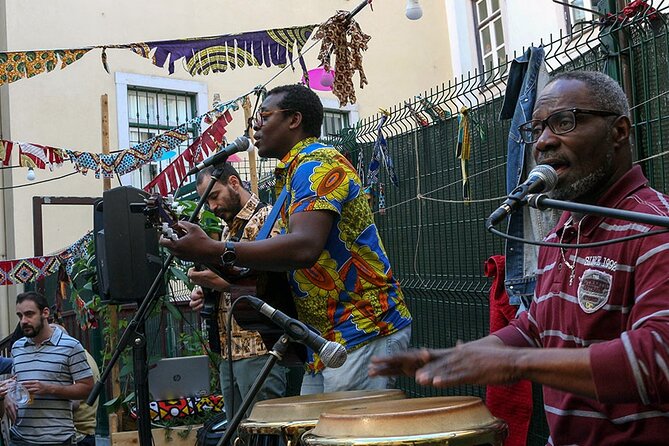
The next 45-minute stop is Campo dos Mártires da Pátria. Here the focus turns more directly to the city’s history and culture. The name and setting offer a natural point for discussing political memory, power, and the ways public places carry stories.
This is likely where the tour’s serious side becomes more prominent. The experience does not treat colonialism as a distant footnote. It connects Portugal’s former empire with questions of control, exploitation, and the communities that later shaped Lisbon.
I would pay close attention during this part, even if you joined mainly for food. The tastings make more sense when you understand that cultural exchange can involve unequal power. A dish may cross borders through trade, migration, or colonial rule, and those routes do not all tell the same story.
The walking segments also help pace the meal. You are not sitting in one restaurant for five hours. Moving between sites gives you time to process what you have eaten and heard, though anyone with limited stamina should remember that this is a walking tour lasting most of the day.
A different sort of day out around Lisbon:
- Lisbon: History, Stories and Lifestyle Walking Tour
★ 4.8 · 10,902 reviews - Lisbon: Sunset Boat Party Cruise with DJ and Open Bar
★ 4.5 · 10,378 reviews - Lisbon: Pena Palace, Sintra, Cabo da Roca, & Cascais Daytrip
★ 4.7 · 9,981 reviews - Lisbon: Oceanário de Lisboa Entrance Ticket
★ 4.6 · 9,943 reviews
Avenida da Fonte Luminosa and the theme of the day
The tour then spends about 45 minutes at Avenida da Fonte Luminosa. This stop is used to discuss the central theme and take in the surrounding sights. It adds another public setting where the guide can connect Lisbon’s physical spaces to its wider social story.
The value here is not a single famous monument. It is the gradual build-up. Each location gives the guide another chance to explain how Lisbon’s identity was shaped by Portugal’s relationships with other regions and peoples.
I like this structure because it avoids placing all the history into one lecture. You get a little information, walk, eat, and then return to the subject from another angle. That rhythm can make a difficult topic easier to follow.
Still, the experience depends heavily on the guide’s ability to connect the places to the food. The tour has earned a perfect five-star rating from 88 reviews, and the guide is clearly central to that success. One particularly praised guide is Celia, who was described as warm and well informed about the cultures and foods involved. Since individual guides can vary by date, you should see the guide’s storytelling as a key part of the tour rather than expect a scripted attraction.
Jardim do Torel: a scenic pause with another bite
Jardim do Torel provides a 45-minute stop in a garden setting. The tour uses this attractive public place to introduce the next bite, giving you a pause from the denser streets and historical discussion.
This is the kind of stop that makes a food walk feel like a city tour too. You have time to look around, catch your breath, and eat in a setting that feels different from the earlier route. The garden also helps break up the day, especially since the full tour lasts around five hours.
The exact item served here is not identified in the available details. You may find one of the regional delicacies promised by the tour, but you should not book this expecting a published menu with every tasting listed in advance.
That uncertainty is worth noting. It gives the guide and food partners flexibility, but it makes the tour less suitable for someone who needs to plan around a strict diet or wants to choose dishes ahead of time. Ask before booking if you have food allergies or dietary restrictions, since the supplied information does not confirm accommodations.
Largo de São Domingos and the biggest food section
The final listed stop is Largo de São Domingos, where the tour spends about an hour finding specialties. This is the longest stop on the route and likely the point where the food takes center stage.
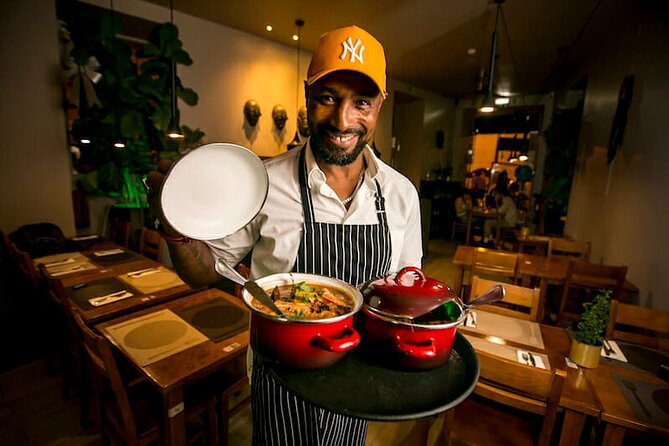
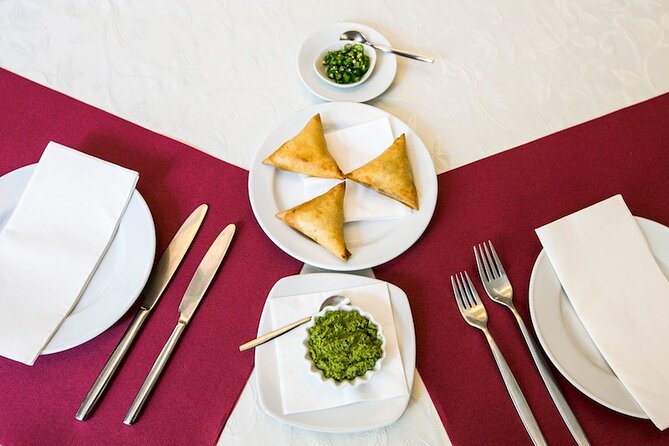
The advertised tastes include chocolate, chorizo stew, and a range of regional delicacies. Food from Brazil and Goa is part of the tour’s wider focus, and an Angolan restaurant had closed unexpectedly at the time of one booking. That means the exact route and food lineup can change, so you should treat those examples as a guide to the experience rather than a guaranteed menu.
The food sounds substantial. One group found itself very full even without the Angolan stop, which is useful advice for planning your day. Eat a sensible breakfast, but do not arrive after a huge meal. You want room for multiple tastings, and this is not a tour where the food is merely decorative.
Largo de São Domingos also fits the tour’s purpose well. A public square can show how food traditions become part of everyday city life. Instead of presenting former colonies as an abstract map, the tour links their influence to things you can taste in Lisbon now.
What the five-hour format is really worth
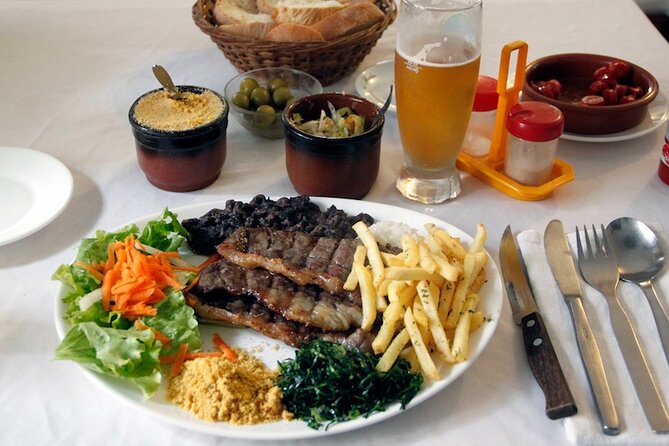
At $150 per person, this is not a budget snack walk. The value depends on how much you want from the experience beyond the food itself.
If you paid only for chocolate, stew, and small portions, the price could feel high. You are also paying for five hours of guiding, a group capped at seven, several neighborhood stops, and a sustained discussion of Portugal’s colonial past. The format gives you time to ask questions and understand the connections behind the dishes.
I see the price as reasonable for someone who values both food and interpretation. It is less attractive if you want a quick introduction lasting two hours or if your priority is quantity alone. A small group can also create a more personal atmosphere, which is harder to provide on a large food walk.
The tour has a perfect five-star rating from 88 reviews, with 100 percent recommending it. Those numbers suggest strong consistency, especially in the areas that matter most here: the guide, the cultural explanation, and the food. They do not remove the practical limits, including the long duration, serious subject matter, and changing food options.
Who should book this Lisbon food tour?
I would choose this tour if you like asking why a dish exists, not just whether it tastes good. It suits you if you want to understand Lisbon through migration, empire, and community, and if you are comfortable discussing painful parts of Portugal’s past.
It is also a good fit for repeat visitors. One father who had visited Lisbon for 50 years had never explored the neighborhoods used on this route. That says something important: the tour can show you parts of the city that remain outside the usual first-time sightseeing circuit.
Families and mixed-age groups can enjoy it too, provided everyone is comfortable with the walking and the serious historical content. A group of six found the format worked well for parents and friends together, and the small size should make it easier for different interests to coexist.
You may want to skip it if you need a confirmed menu, prefer a short tour, or want an entirely lighthearted food outing. The available information does not list dietary arrangements, precise serving sizes, or a guaranteed stop-by-stop menu.
The tour operates in English and uses a mobile ticket. Confirmation arrives when you book, and most people can participate. It requires good weather and a minimum number of bookings. If poor weather or low participation forces cancellation, you are offered another date or a full refund.
Cancellation is free up to 24 hours before the 11:00 a.m. start. After that point, the paid amount is not refunded, and changes made within 24 hours are not accepted. Keep the local cut-off time in mind when changing plans.
Should you book Lisbon’s Post-Colonial Feast?
Book it if you want a food tour with a point of view. The strongest reasons are the very small group, the clear attention to Brazil, Goa, Angola, and other post-colonial connections, and the willingness to discuss slavery and exploitation alongside enjoyable food.
The main risk is not poor quality. It is a mismatch in expectations. This is a long, serious, food-focused walking experience rather than a quick tour of classic Portuguese snacks.
At $150, I would recommend it most to visitors who value context, conversation, and unusual neighborhoods as much as eating. If that sounds like your kind of Lisbon, this could be one of the more memorable ways to spend a day.
FAQ
Where does Lisbon’s Post-Colonial Feast start?
It starts at Praça do Chile 2, 1170 Lisboa, Portugal.
What time does the tour begin?
The tour starts at 11:00 a.m.
Where does the tour finish?
It ends back at the meeting point.
How long does the experience last?
The tour lasts approximately five hours.
How much does the tour cost?
The listed price is $150 per person.
What language is the tour offered in?
It is offered in English.
How many people can join the tour?
The maximum group size is seven people.
What foods may be included?
The experience includes chocolate, chorizo stew, and regional delicacies. Food connected with Brazil and Goa is also part of the tour’s focus, but the exact menu can vary.
Can I cancel for a refund?
Yes. You can cancel at least 24 hours before the start time for a full refund. Cancellations made less than 24 hours in advance are not refunded. If bad weather or insufficient bookings cancels the tour, you are offered another date or a full refund.
Just added around Lisbon
- Tuk tuk tour in Belem area★ 5.0 · 46 reviews
- Lisbon: Private Tour Sintra, Cabo da Roca and Cascais★ 4.9 · 46 reviews
- Private Sintra Tour from Lisbon★ 5.0 · 46 reviews
- Premium Porto Private Day Trip from Lisbon with Local Guide★ 5.0 · 47 reviews
- 4 Hours Tuktuk City Tour in Lisbon★ 5.0 · 47 reviews
- Small Group Pena Palace, Sintra, Regaleira and Cascais★ 5.0 · 47 reviews
- From Lisbon: Tour to Fátima, Batalha, Nazaré and Óbidos★ 4.6 · 47 reviews
- DayTrip from Lisbon to Sintra+Cascais PRIVATE TOUR-small groups★ 5.0 · 47 reviews
Lisbon Tours, compared.
Lisbon City Center Tour – The Unmissable Lisbon
Read our review →
Sintra, Pena, Regaleira, Cabo da Roca & Cascais
Read our review →

Sunset Boat Party Cruise with DJ and Open Bar
Read our review →
Pena Palace, Sintra, Cabo da Roca, & Cascais Daytrip
Read our review →