
Reviewed · HISTORICAL TOURS
LGBTour Porto: Walk through Porto, discover the LGBTQIA+ History
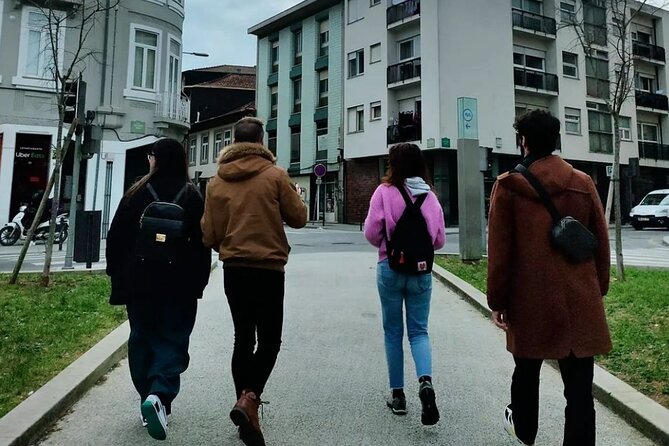
Porto has stories its monuments cannot tell. This three-hour walk looks at the city through an LGBTQIA+ lens, linking Pride marches, queer businesses, politics, literature, and personal memory. I especially like the focus on places beyond bars and nightlife, and the way guide Ricardo Barros connects public events with his own life in Porto. The small group limit of 15 also gives the tour a more open, conversational feel.
The main thing to consider is that this is not a standard sightseeing walk. You will see familiar streets and landmarks, but the emphasis is on social change, exclusion, activism, and community life rather than postcard views. Some parts may feel serious, and the value depends on your interest in LGBTQIA+ history and thoughtful discussion.
In This Review
- Key points before you book
- Why this Porto walk feels different
- Campo 24 de Agosto and the first Pride march
- Rua de Santa Catarina and the cost of popularity
- Praça da República, Pride, and queer books
- Livraria Aberta and the value of queer business
- Students, education, and social change
- Tribunal da Relação do Porto and the law
- Miradouro das Virtudes and a quiet finish
- Ricardo Barros as your guide
- Three hours, $38.45, and what you receive
- Who should book this tour
- Booking, cancellation, and useful planning
- Should you book LGBTour Porto?
- FAQ
- How long does LGBTour Porto last?
- How much does the tour cost?
- Is the tour offered in English?
- Are morning and afternoon start times available?
- Where does the tour begin?
- Where does the tour end?
- What is the maximum group size?
- Are service animals allowed?
- Can I cancel for a full refund?
Key points before you book
- Ricardo Barros gives the tour a personal voice: He grew up in Porto and shares firsthand memories alongside the city’s LGBTQIA+ story.
- The route follows Pride and protest: Campo 24 de Agosto and Praça da República connect the walk to Porto’s first Pride march and its current starting point.
- Queer businesses matter here: A dedicated LGBTQIA+ bookshop provides a concrete way to support inclusion beyond nightlife.
- The tour avoids the usual checklist: You will pass major tourist areas, but the focus stays on lesser-known queer stories and social changes.
- A calm ending at Virtudes: The tour finishes with time to reflect at a viewpoint over the Douro.
- Small groups help the conversation: The maximum group size is 15, and the experience may still run with only one booking.
Why this Porto walk feels different
Most walking tours explain Porto through churches, tiled façades, merchants, port wine, and grand civic buildings. This one asks you to look again. A square becomes a meeting point for Pride. A busy shopping street becomes a place to discuss how tourism changes queer spaces. A courthouse becomes a setting for legal and social milestones.
That shift in viewpoint is the tour’s real subject. You are not simply collecting facts about LGBTQIA+ life in Portugal. You are considering who gets to feel visible in a city, which businesses survive, how rights change, and what happens when a neighborhood becomes popular with tourists.
Ricardo Barros is central to the experience. His style, based on the feedback provided, is warm, thoughtful, and conversational. He brings personal memories from growing up in Porto, including stories connected to the city’s queer movement. That makes the tour feel less like a lecture and more like a walk with a local who has watched social change happen.
I also like the tour’s wider approach to diversity and inclusion. It is not limited to gay nightlife or Pride celebrations. The conversations include literature, education, government, activism, representation, and the experiences of people with different racial, gender, sexual, and economic backgrounds.
More History Tours in Porto
- Douro Valley: Historical Sites, Wine Experience, Lunch & Cruise
★ 5.0 · 5,133 reviews - Porto: Historic City Center Walking Tour
★ 4.7 · 1,172 reviews - Porto: An Intimate Fado Show in a Historical Tavern
★ 4.8 · 1,093 reviews
Campo 24 de Agosto and the first Pride march
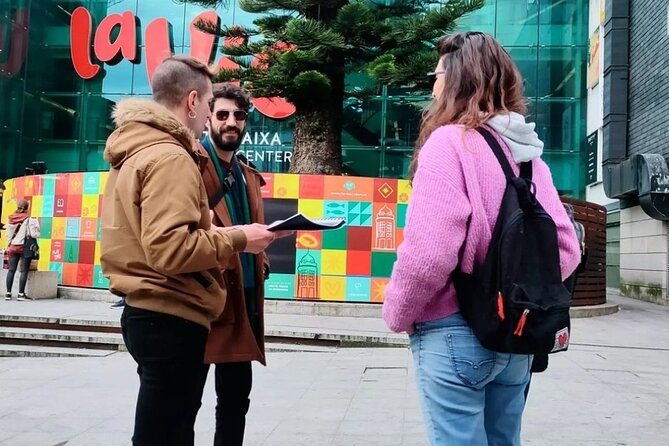
The walk begins at Campo 24 de Agosto Garden, at Av. de Fernão de Magalhães 43. The opening stop takes about 20 minutes and costs nothing beyond the tour price.
This location matters because it is connected with the first LGBTQIA+ Pride march in Porto. That gives the tour an immediate sense of purpose. You start not with a famous monument, but with a place tied to public visibility and collective action.
Ricardo uses the stop to explain how Pride developed in Porto and how the community moved from relative invisibility toward a more public presence. The exact value here is not just the date or location. You begin to see Pride as part celebration, part protest, and part record of the work still needed.
The meeting address is worth checking carefully before you leave. The end point is in another part of the city, so you should plan to arrive at the starting location rather than assuming the walk begins near the historic center.
Rua de Santa Catarina and the cost of popularity
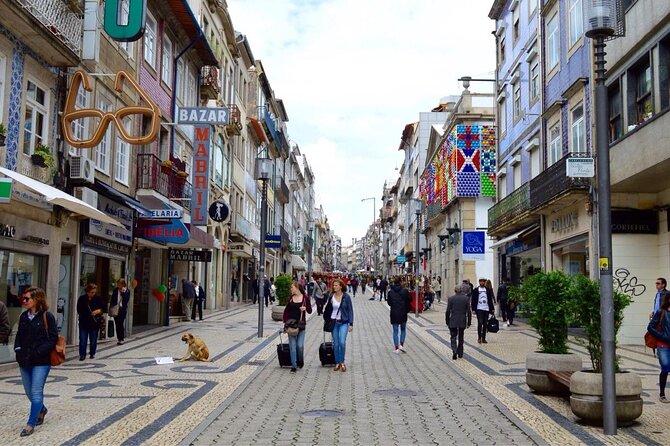
The next stop is Rua de Santa Catarina, one of Porto’s busiest streets. The planned visit takes about 10 minutes.
This is a short stop, but it gives the tour a useful urban question: what happens when an area that once mattered to LGBTQIA+ life changes under tourism and commercial pressure? You look at the street not only as a shopping zone, but also as a place shaped by changing social use.
I find this kind of stop more revealing than a simple list of former queer venues. It asks you to notice what has disappeared, what has changed, and how tourism can make an area more visible while also making it less useful to the people who gave it meaning.
Do not expect a long visit here or a preserved LGBTQIA+ attraction. The point is interpretation. If you prefer tours built around clearly marked buildings, this section may feel less tangible. If you like understanding how cities change, it adds an important layer.
Praça da República, Pride, and queer books
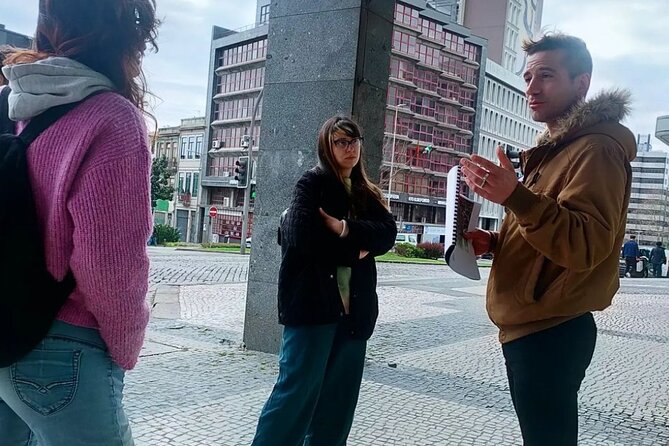
The tour then reaches Praça da República and the Teófilo Braga Garden. This section lasts about 40 minutes and is one of the fuller parts of the route.
Praça da República is linked to the current starting point of Porto’s Pride march. That makes it a useful contrast with Campo 24 de Agosto. Earlier, you consider the location of the first march. Here, you look at where Pride begins today and what that continuing public presence means.
The stop also includes a visit to a bookshop dedicated to LGBTQIA+ themes. The shop gives the discussion a physical focus. Instead of talking about representation only in the abstract, you can consider how queer writers, books, and independent businesses help preserve memory and make LGBTQIA+ lives easier to see.
Ricardo discusses LGBT+ writers and their effect on culture and society. He also explains why supporting queer businesses matters. This is practical for your stay in Porto. You leave with more than historical context. You gain an idea of how spending choices can support local inclusion.
One useful point is that the bookshop is not treated as a quick shopping stop. It belongs to a larger discussion about literature, visibility, and the right of a community to tell its own stories.
More Walking Tours in Porto
- Porto Walking Tour, Lello Bookshop, River Cruise and Cable Car
★ 5.0 · 3,354 reviews - Experience Porto’s Charm: 3-Hour Guided Walking Tour
★ 5.0 · 2,432 reviews - Porto: 3-Hour Guided City Highlights Walking Tour
★ 4.8 · 2,050 reviews - Porto: Wine Tasting with Tapas Walking Tour
★ 4.4 · 1,541 reviews
Livraria Aberta and the value of queer business
The dedicated bookshop receives its own section of about 30 minutes. It is associated with Diversity and Inclusion Books and offers a place to talk about LGBTQIA+ writers and cultural representation.
The wording of the route information uses Livraria Aberta for this stop. The important detail for you is the purpose of the visit: this is a queer-focused business, not simply a general bookshop added to fill time.
I like this part because it broadens the idea of queer tourism. A trip centered on LGBTQIA+ life can easily become a search for nightlife. This tour points you toward books, culture, community businesses, and the everyday work of keeping inclusive spaces open.
The shop may also suit you if you want something to take home that connects directly with the themes of the tour. No specific purchase is required, but the stop makes the case for spending money with businesses that support diversity and inclusion.
Students, education, and social change
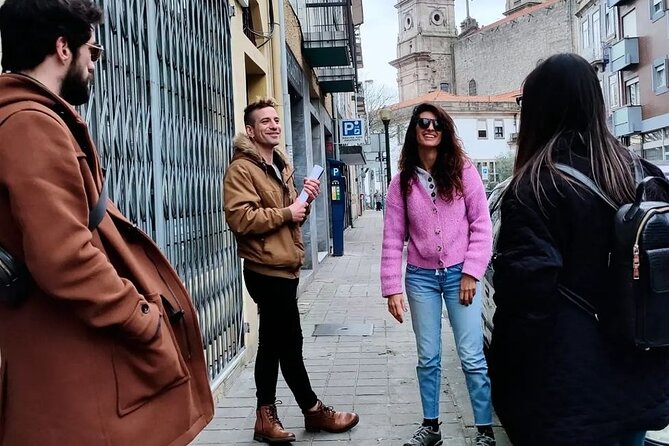
Between the bookshop and the courthouse, the route passes through another busy part of Porto with several tourist references and a large student presence. The information provided does not give this section a separate stop number or exact duration, so expect it to function as part of the walk rather than a formal attraction.
Here, the conversation turns toward education and the social changes linked to diversity and inclusion. The student setting gives Ricardo a natural way to discuss how attitudes develop and how public institutions shape acceptance.
This portion helps connect queer history to ordinary city life. LGBTQIA+ rights are not only decided in courts or marked by Pride parades. They are also lived in schools, universities, workplaces, shops, and families.
The route’s movement through a busy area may make the talk feel less private than the quieter stops. That is part of the point, but it also means you should be ready for a walking discussion rather than a seated presentation.
Tribunal da Relação do Porto and the law

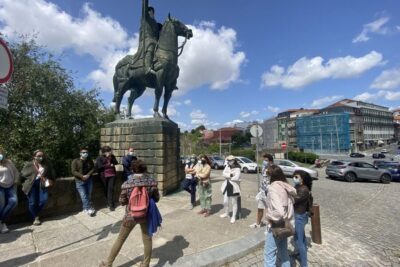
Near the end, the walk passes the Tribunal da Relação do Porto, with the statue of Justice providing the setting. This stop takes about 25 minutes.
Ricardo explains key dates in the queer history of Porto and Portugal here. The courthouse gives those dates a clear frame: rights do not change only through personal courage or public marches. Legal systems, political decisions, and government policies shape what LGBTQIA+ people can safely do and how society treats them.
The courtroom setting also supports the broader discussion of Portugal’s progress, setbacks, and current challenges. The tour does not present social change as a neat success story. It looks at struggle, victories, failures, and the work that remains.
You will not be touring the courthouse as an interior attraction. The stop takes place outside, using the building and statue as a starting point for discussion. That distinction matters if you expect an architectural visit. The reward is the context Ricardo adds to the place.
Miradouro das Virtudes and a quiet finish
The final stop is Chafariz das Virtudes, with the tour ending at the Miradouro das Virtudes on Calçada das Virtudes 5. About 30 minutes are set aside here.
This is a good finish. The viewpoint is known for its diversity, beauty, and views over the Douro. After several hours of discussing political struggle, public identity, and personal stories, you have time to sit or relax, review what you have heard, and look across the city.
Ricardo also speaks about his youth in Porto and how he saw the queer movement grow. Those memories give the ending an emotional center. The tour begins with the first Pride march and closes with one person’s account of change over time.
The end point is enjoyed by both local people and visitors, so it can also leave you in a pleasant spot for the rest of your afternoon. Since the walk starts elsewhere, arrange your plans around finishing at Virtudes rather than needing to return to the starting address.
Ricardo Barros as your guide
The strongest feature of this experience is Ricardo’s approach. The supplied feedback repeatedly describes him as passionate, sensitive, open, and easy to connect with. His background in Porto allows him to link national events with the texture of local life.
He also appears willing to adapt. One person with a disability explained that Ricardo reduced the amount of walking and slowed the pace. The tour went ahead even when that person was the only booking. That suggests a level of care that is not always found on fixed group walks, though you should still discuss your needs in advance.
The experience can be especially good for solo visitors. A small group, or even a private-feeling outing with only one or two people, gives you room to ask questions and talk about your own connection to LGBTQIA+ history.
Ricardo’s personal stories are a major strength, but they also shape the tone. This is not a detached academic tour. It is a human account with emotion, opinion, and lived experience. That will suit you if you value openness and conversation. If you want only dates, names, and neutral commentary, you may prefer a more traditional history tour.
Three hours, $38.45, and what you receive
The price is $38.45 per person for about three hours. All listed stops have free admission, so you are paying for Ricardo’s time, route design, interpretation, and personal perspective rather than entry tickets.
That is a fair value if you want more than a general city walk. You are getting a focused tour of LGBTQIA+ history, visits connected to Pride and queer culture, a bookshop stop, and direct conversation with a guide who has personal ties to Porto’s recent social history.
The value is strongest for people who would otherwise miss these stories. The tour does not take you inside a museum filled with displays. Its material is spread through ordinary public places, and Ricardo supplies the connections.
Morning and afternoon start times are available. A morning booking can help you orient yourself to Porto through a different lens, while an afternoon walk ending at Virtudes gives you a natural transition into the rest of the evening.
The group is capped at 15 people. That is small enough for questions, though the actual feel will depend on the day’s bookings. Confirmation arrives when you book, and the tour is offered in English.
Who should book this tour
I would recommend it to LGBTQIA+ visitors who want to understand Porto beyond nightlife and the usual gay-friendly checklist. It is also a strong choice for allies, students, educators, and anyone interested in the link between human rights, culture, politics, and city life.
It suits solo visitors particularly well because the guide’s conversational style can make the walk feel welcoming. Couples and small groups should also find it easy to engage with Ricardo.
You should have a reasonable interest in walking and discussion. The route lasts around three hours, and although the pace may be adjusted in some cases, the experience is not presented as a fully accessible vehicle tour. Most people can participate, service animals are allowed, and the starting point is near public transportation.
This is not the best match if you want Porto’s major monuments explained in the usual order. You will pass tourist areas, but the purpose is to rethink them, not to tick off every landmark.
Booking, cancellation, and useful planning
The tour can be cancelled for a full refund if you do so at least 24 hours before the start time. Changes or cancellations made less than 24 hours before the local start time are not accepted for a refund.
The experience is often booked about 22 days ahead. That is useful planning information, especially if you have a fixed Porto schedule or want a particular morning or afternoon time.
Wear comfortable shoes and leave room for conversation. The route ends at a viewpoint, not back at the first address, so check your onward plans before booking.
Should you book LGBTour Porto?
Yes, if you want a thoughtful, personal account of Porto’s LGBTQIA+ past and present. The strongest reasons are Ricardo Barros’s lived connection to the city, the attention to queer businesses and literature, and the route’s focus on places that ordinary sightseeing often overlooks.
Book it early if your dates are fixed. Choose this walk for context, conversation, and a more human view of Porto. Skip it only if you want a fast monument tour or have little interest in LGBTQIA+ history and social change.
FAQ
How long does LGBTour Porto last?
The tour lasts approximately three hours.
How much does the tour cost?
The price is $38.45 per person.
Is the tour offered in English?
Yes. English is the listed language.
Are morning and afternoon start times available?
Yes. You can choose a morning or afternoon start time.
Where does the tour begin?
It begins at Av. de Fernão de Magalhães 43, 4300-169 Porto, Portugal.
Where does the tour end?
The tour ends at the Miradouro das Virtudes, at Calçada das Virtudes 5, 4050-629 Porto, Portugal.
What is the maximum group size?
The tour has a maximum of 15 travelers.
Are service animals allowed?
Yes, service animals are allowed.
Can I cancel for a full refund?
Yes. You must cancel at least 24 hours before the experience start time for a full refund. Cancellations or changes made less than 24 hours before the start time are not accepted for a refund.
More Guided Walks
- Porto’s #1 Walking Tour
★ 5.0 · 1,026 reviews - Porto: Delicious Food and Wine Walking Tour
★ 4.8 · 977 reviews - Porto: Walking Tour, Lello Bookshop, Boat and Cable Car
★ 4.8 · 965 reviews - Porto: Port and Douro Wine Walking Tour with 9 Tastings
★ 4.7 · 926 reviews
More Heritage Sites and Old Towns
- Porto: Historical Center Walking Tour
★ 4.8 · 898 reviews - Historic Porto by Private Electric Tuk Tuk to Top Landmarks
★ 4.5 · 735 reviews - Porto:Private Tour of the Historic City in a Classic Ford T
★ 4.8 · 716 reviews - Porto Guided Tour to the Historical Center on a Tuk Tuk
★ 4.5 · 418 reviews
Just added around Porto
- From Arouca: Paiva River Canoe Rafting Adventure Tour★ 5.0 · 46 reviews
- Jewish Walking Tour of Porto★ 4.5 · 46 reviews
- Porto Private Gourmet Food & Wine Historic Tour with a Sommelière★ 5.0 · 46 reviews
- Santiago and Valença do Minho Full Day Private Tour★ 5.0 · 47 reviews
- Porto: Aveiro with cruise, Costa Nova, Capelha do Senhor da Pedra★ 4.5 · 47 reviews
- Best of Porto Guided Tour: Cruise & Wine Tasting★ 4.5 · 47 reviews
- Water Canyoning★ 5.0 · 47 reviews
- Cruise Shore Excursion – Private Tuk Tuk Tour to the Historic Center★ 4.5 · 47 reviews
Historical Tours, compared.
Historical Sites, Wine Experience, Lunch & Cruise
Read our review →
Live Fado Show with Port Wine in Historic Center
Read our review →

Browse the lists this tour appears in