
Reviewed · HISTORICAL TOURS
Lisbon: Jewish History in Portugal Guided Walking Tour
Lisbon’s Jewish story is full of turns. This three-hour walk links Alfama, Baixa, and Chiado with the lives of Sephardic and Marranos Jews, showing how Jewish communities helped shape Portuguese agriculture, medicine, finance, and overseas exploration. I like the way the tour connects Jewish history with the wider story of Lisbon, rather than treating it as a series of isolated facts. I also like the chance to hear difficult subjects explained by guides such as Al and Luciano, who have earned praise for clear explanations and a warm, flexible approach.
The main consideration is the terrain. Alfama is hilly, and this is a genuine walking tour with no transportation included. The $141 price is not cheap for three hours, so I would choose it mainly if Jewish Portuguese history is a major reason for your visit, or if you want a personal guide who can link family heritage to the city. For a general sightseeing walk, the cost may feel high.
In This Review
- Key points to know before you book
- Starting at A Padaria Portuguesa
- Alfama and the oldest layers of Lisbon
- Baixa and the city rebuilt after disaster
- Chiado and Jewish influence beyond Lisbon
- Sephardic Jews, Marranos, and the questions behind the dates
- What the guide adds beyond a self-guided walk
- Is $141 a fair price for three hours?
- Who should take this walk?
- Practical advice for a better experience
- Should you book the Lisbon Jewish History tour?
- FAQ
- How long does the Jewish history walking tour last?
- Where does the tour meet?
- Which Lisbon neighborhoods does the tour visit?
- What languages are available?
- Is transportation included?
- Is the tour suitable for people with mobility impairments?
- What is included in the price?
- Can I cancel the booking?
Key points to know before you book
- Three historic Lisbon neighborhoods: The route connects Alfama, Baixa, and Chiado to the changing place of Jewish life in the city.
- A story of Sephardic and Marranos Jews: You learn about open Jewish life, forced conversion, survival, and the lasting impact of these communities.
- History beyond religious sites: The discussion reaches agriculture, finance, medicine, industry, and Portugal’s 16th-century discoveries.
- Strong guide-led experience: Al and Luciano are praised for clear historical context, friendly conversation, and adapting the pace to the group.
- A hilly three-hour walk: Alfama provides memorable views and historic streets, but the route is not suitable for people with mobility impairments.
- Small personal touches: Some outings have included Israeli dates and a coffee or tea break, though these should not be treated as guaranteed inclusions.
Starting at A Padaria Portuguesa
The meeting point is A Padaria Portuguesa, described as a bagel shop. That makes the start easy to identify, but you should check the exact meeting instructions and starting time when booking, since the activity offers several possible departure times depending on availability.
The tour lasts three hours and is led in Portuguese or English. A live guide matters here. Jewish history in Portugal includes changes in law, religion, identity, and language that can be hard to follow from plaques or a museum label. A good guide can explain how the same person or family might be viewed differently at different points in Portuguese history.
You receive a bottle of water, but transportation is not included. That is important because the walk moves through central neighborhoods rather than using a bus or taxi between them. You should arrive ready to walk, with comfortable shoes and enough energy for Alfama’s slopes.
The activity is offered by Autêntica – Travel Experience. It allows cancellation up to 24 hours ahead for a full refund, and you can reserve now and pay later. Those policies are useful if your Lisbon schedule is still shifting, though they do not change the physical demands of the route.
More History Tours in Lisbon
- Lisbon: History, Stories and Lifestyle Walking Tour
★ 4.8 · 10,902 reviews - Lisbon: Live Fado Show with Port Wine in Historic Center
★ 4.7 · 4,166 reviews - Lisbon: Fado Show with Wine in a Historic Venue
★ 4.8 · 1,294 reviews
Alfama and the oldest layers of Lisbon
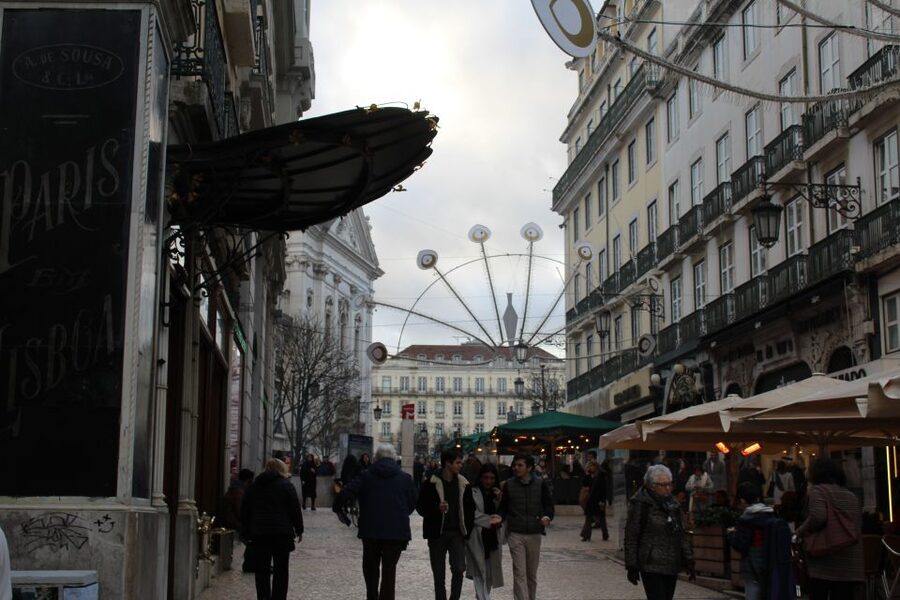
Alfama is the part of the walk where the city’s age becomes most apparent. Its steep streets and older urban fabric give the guide a strong setting for discussing Jewish life in Lisbon across different periods. One reviewer described the walk through Alfama as well paced, with many insights into earlier Jewish life.
You should expect the guide to use the neighborhood as a way into the past, not simply point out a single building and move on. The focus is on connections: where communities lived, how they survived changing political conditions, and how Jewish influence continued even when open Jewish practice became dangerous or impossible.
The physical setting is also part of the experience. Alfama’s hills can make the walk tiring, particularly in warm weather or for anyone with knee, balance, or stamina concerns. The activity is specifically not suitable for people with mobility impairments. If you walk comfortably but slowly, tell the guide at the start. Al has been praised for adjusting the pace to suit the group.
A useful part of this section is the discussion of acceptance and rejection. Jewish communities in Portugal were not simply welcomed or expelled in one uninterrupted story. Their position changed over time, and the pressure to convert created the complex history of the Marranos, Jews who converted to Catholicism, often under coercion or threat, while Jewish beliefs and customs could continue within families.
That subject gives the tour more substance than a list of dates. You begin to see how identity can survive through family practice, private belief, work, and memory. It also helps explain why the Jewish past in Lisbon cannot be separated neatly from Catholic history or from the development of the Portuguese state.
Baixa and the city rebuilt after disaster
Baixa offers a different setting from Alfama. Its broad central streets and planned character allow the guide to place Jewish history within Lisbon’s larger civic and commercial story. The supplied description does not promise a fixed list of monuments, so I would not book this expecting entry to a synagogue, museum, or archaeological site. The value comes from the guide’s interpretation of places along the route.
The Baixa portion is useful for understanding Jewish contributions to finance, medicine, trade, agriculture, and business. These subjects show Jewish life as active and practical, not confined to religious observance. The tour presents Jews as participants in the economic and intellectual life of Portugal, even during periods when official acceptance remained uncertain.
The guide also connects Jewish communities to Portugal’s overseas expansion in the 16th century. That does not mean the tour is only about famous explorers. Instead, it places Jewish expertise and enterprise within the wider machinery of the Portuguese discoveries, including the technical, commercial, and financial work required to support them.
This broader framing is one of the walk’s best features. I prefer tours that explain how a minority community affected ordinary city life, not only where a synagogue once stood. Here, you get a clearer sense of how agriculture, medicine, commerce, and state ambition overlapped.
Chiado and Jewish influence beyond Lisbon
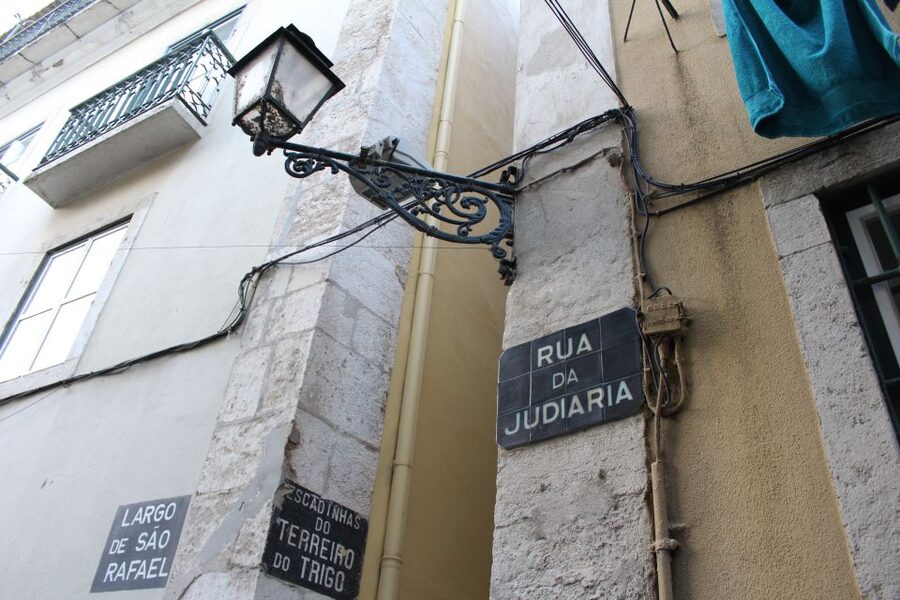
The walk continues into Chiado, another central neighborhood tied to Lisbon’s cultural and commercial life. The exact stop-by-stop sequence can vary, but the neighborhood helps extend the story beyond medieval and early modern Lisbon.
The guide discusses what happened after the expulsion of Jews from Portugal in the 16th century. The story does not end at the border. Jewish communities and descendants carried knowledge, family ties, religious traditions, and commercial connections to places including England, Holland, and the United States.
That wider view is especially helpful if you have Sephardic ancestry. Richard M. described having family ties to Lisboa, and his guide, Al, tailored the conversation to his interest in Sephardic heritage. You cannot assume every tour will become a family-history consultation, but the example shows why it is worth telling the guide in advance what you hope to understand.
The route also addresses converted Jews and the lasting effect of forced conversion on Portuguese identity. This can lead to thoughtful discussion about how societies define belonging, and how acceptance or rejection shapes both public religion and private life.
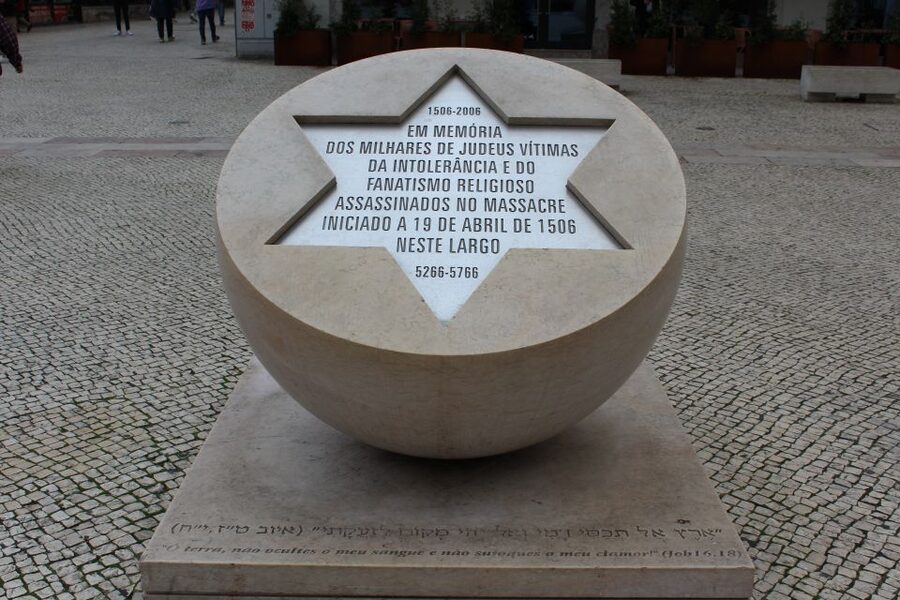
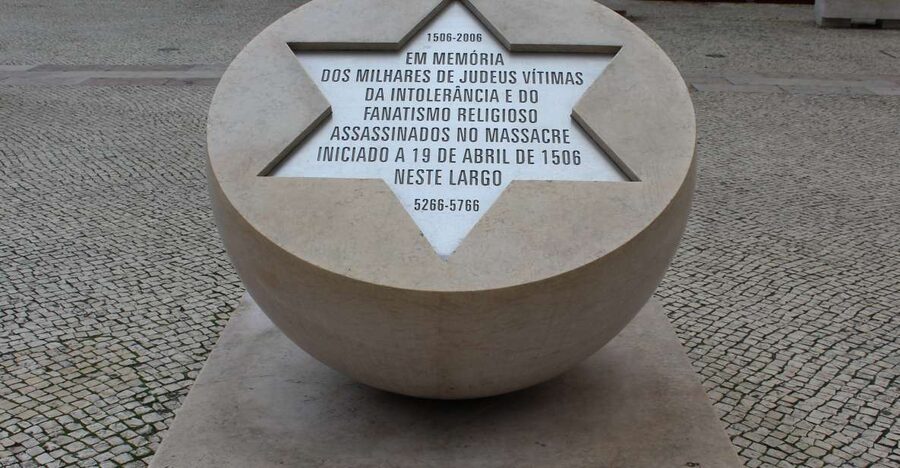
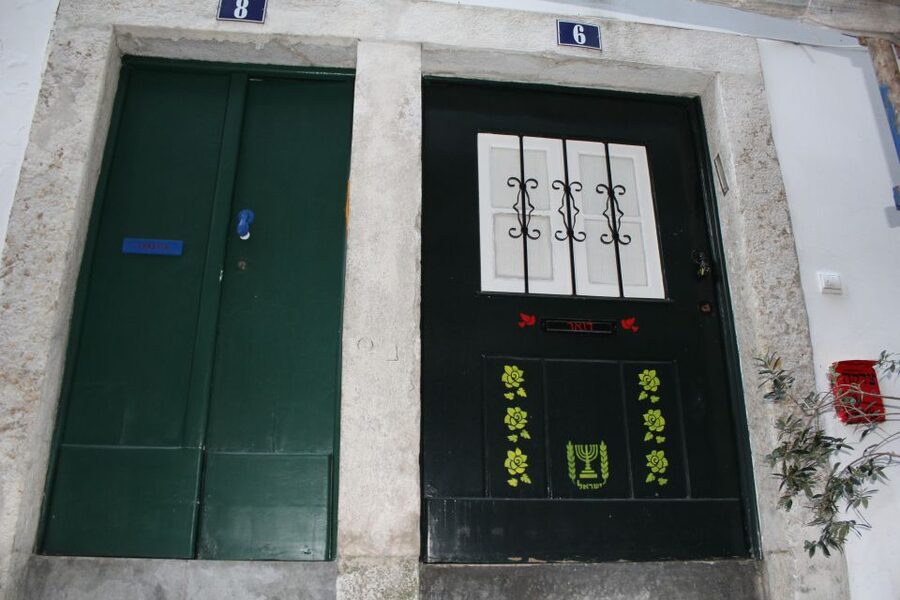
Some reviews describe visits to archaeological sites, a wall marked with a Star of David, and views toward the port. These details suggest that the experience can include visible traces and scenic points along with spoken history. Still, I would treat the exact sights as dependent on the guide and route rather than guaranteed stops.
More Walking Tours in Lisbon
- Best of Lisbon Small-Group Guided Walking Tour
★ 5.0 · 4,869 reviews - Lisbon: Food and Wine Small Group Walking Tour
★ 4.9 · 4,082 reviews - Best of Lisbon Walking Tour: Rossio, Chiado & Alfama
★ 4.9 · 2,700 reviews - Age of Discoveries Walking Tour in Belém
★ 5.0 · 1,513 reviews
Sephardic Jews, Marranos, and the questions behind the dates
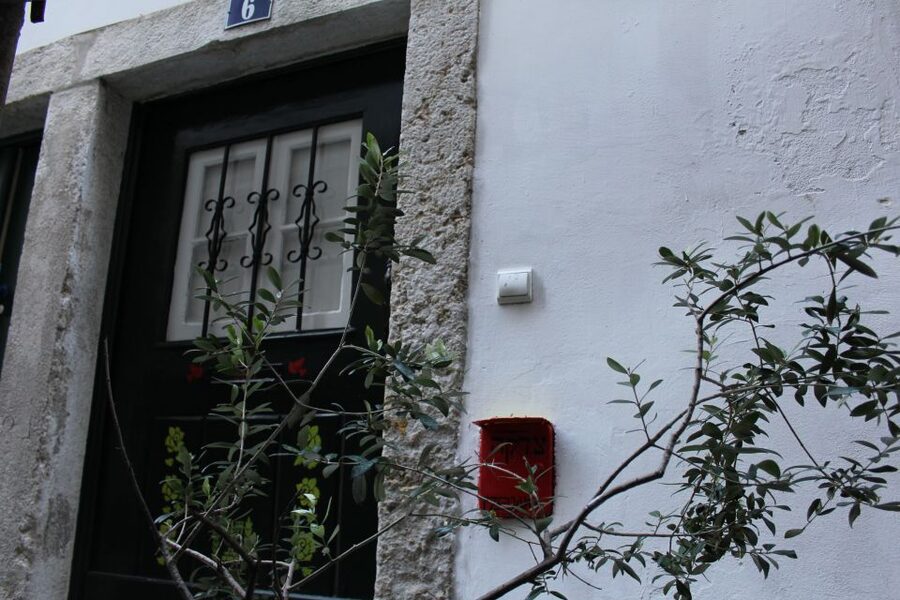
The strongest reason to take this tour is the subject itself. Sephardic Jews formed an important part of Iberian Jewish life, and Portugal’s Jewish history is marked by both opportunity and pressure. The walk explains how Jewish people contributed to the country while living with the possibility of rejection.
The Marranos story adds another layer. Conversion did not erase family memory, and the history of converted Jews raises questions about what counts as religious identity. Were people defined by public worship, private belief, ancestry, or the laws imposed on them? A skilled guide can make those questions understandable without turning the tour into a lecture.
Al has been praised for his extensive knowledge, friendly manner, and ability to make the subject accessible. Luciano has also been described as passionate, intelligent, and well informed about Portuguese and Jewish history. You should keep in mind that guide assignments can change. One group had a substitute guide who still gave a strong account of both historical and contemporary Jewish life.
The comments about pacing are worth taking seriously. Several people found the three hours relaxing or well planned, and one person specifically said the guide adapted the route to the group’s needs. That makes a difference in a subject that can become dense. You get time to ask questions instead of racing from one point to another.
What the guide adds beyond a self-guided walk
You can walk through Alfama, Baixa, and Chiado alone. What you cannot easily reproduce is the chain of explanation linking those districts to Jewish history in Portugal.
A self-guided visit might show you an old wall or a marked site. A guide can explain why that trace matters, how the Jewish community’s status changed, and how the story fits into Lisbon’s political and economic development. The best comments about this tour praise precisely that connection between Jewish history and the general history of the city.
The guides also seem to bring a personal touch. Al has offered Israeli dates bought at a local shop and a coffee or tea break toward the end of one outing. These gestures are not listed as standard inclusions, so do not count on them. They do show the kind of conversational approach that can make a history walk feel less formal.
I would ask questions during the tour. If your interest is Sephardic family history, ask about migration after the 16th-century expulsion. If you are interested in religion, ask about conversion and Marranos. If your main concern is Lisbon itself, ask how Jewish commerce and professional life fitted into the city’s growth.
Is $141 a fair price for three hours?
At $141 per person, this is a premium walking tour. You are paying for a live specialist guide, three hours of attention, a bottle of water, and a route through several central districts. Transportation and admission fees are not included, although no specific admission is promised in the activity details.
The price makes the most sense for two kinds of people. First, it suits visitors with a strong interest in Jewish history, Sephardic heritage, or the history of religious minorities. Second, it suits anyone who values a private-feeling, discussion-based walk and wants more context than a standard city tour may provide.
The value is weaker if you simply want to see Lisbon’s headline sights. The tour is not presented as a general sightseeing overview, even though it includes plenty of information about the city. You may find a broader Lisbon walk better suited to a first introduction, then choose this experience if Jewish Portuguese history remains a priority.
The strong 4.6 rating from 52 reviews supports the idea that the guide quality is a major part of what you are buying. Praise centers on Al and Luciano, clear explanations, good pacing, flexibility, and the way the Jewish story is tied to Lisbon’s wider past.
Who should take this walk?
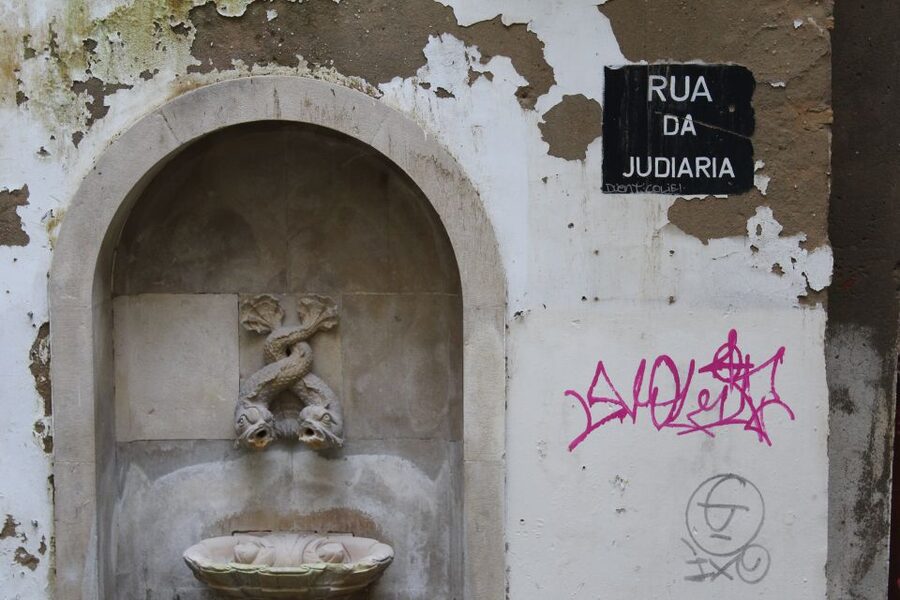
I would recommend it to visitors who want history explained on the street, especially those with Jewish family connections or an interest in Sephardic culture. It also suits curious first-time visitors who are willing to trade some famous sights for a more focused look at how a community shaped Portugal.
It is a good choice for couples, parents with older children, and small groups who enjoy asking questions. Mariel described the experience as memorable for herself and her daughter, while several people found the tone relaxing and engaging.
You should think twice if you dislike hills, need frequent transport, or want a museum-based experience with indoor exhibits. The route is outdoors and physically active. Since the exact stops are not fully specified, you should also avoid booking if you need a guaranteed visit to a particular synagogue, memorial, or museum.
Practical advice for a better experience
Wear comfortable shoes and plan for the hills of Alfama. Carry any medication, sun protection, or extra water you normally need for a three-hour walk, even though one bottle is included.
Choose English or Portuguese according to the language in which you can best follow historical detail. The story includes religious terms, changing political rules, and several different periods, so clear listening matters.
If family history is your reason for coming, prepare a few names, dates, or places before you arrive. Al has tailored a tour to a guest’s Sephardic heritage, but the more clearly you explain your interests, the easier it will be for the guide to focus the conversation.
Finally, leave room in your schedule after the walk. The route ends after three hours, but the subject may send you toward further research, a Jewish museum, or family records. That is a good sign for a history tour: it gives you more questions without pretending to answer everything.
Should you book the Lisbon Jewish History tour?
Book it if you want a focused explanation of Jewish life in Portugal and are comfortable paying $141 for a guide-led walk. The strongest parts are the links between Alfama, Baixa, and Chiado, the discussion of Sephardic and Marranos Jews, and the clear connection between Jewish contributions and Portugal’s wider development.
I would skip it if mobility is a concern or if your main goal is a low-cost overview of Lisbon’s famous sights. For everyone else, especially visitors with Sephardic roots, this offers a thoughtful way to understand Lisbon through a community that helped shape the country and then carried its influence far beyond Portugal.
FAQ
How long does the Jewish history walking tour last?
The tour lasts three hours.
Where does the tour meet?
The meeting point is A Padaria Portuguesa, described as a bagel shop.
Which Lisbon neighborhoods does the tour visit?
The tour passes through Alfama, Baixa, and Chiado, connecting these neighborhoods with Jewish history in Lisbon and Portugal.
What languages are available?
The live guide can conduct the tour in Portuguese or English.
Is transportation included?
No. Transportation is not included, and the experience is organized as a walking tour.
Is the tour suitable for people with mobility impairments?
No. The activity is not suitable for people with mobility impairments, and the route includes hilly areas in Alfama.
What is included in the price?
The price includes a guide, the walking tour, and a bottle of water.
Can I cancel the booking?
Yes. You can cancel up to 24 hours in advance for a full refund. The activity also offers a reserve-now, pay-later option.
More Guided Walks
- Sintra & Cascais Day Tour with Pena Palace Entry and Gardens Walk
★ 5.0 · 962 reviews - Lisbon Roots – Small group Food & Culture Walking Tour w/tastings
★ 5.0 · 910 reviews - Lisbon: Starter Walking Tour to the highlights in German
★ 4.9 · 781 reviews - Lisbon Tram No. 28 Ride & Walking Tour
★ 4.1 · 766 reviews
More Heritage Sites and Old Towns
- Explore Lisbon by Tuk Tuk: History and Viewpoints
★ 5.0 · 840 reviews - Lisbon: Daytime or Sunset Boat Cruise with History and Wine
★ 4.9 · 819 reviews - Private Tuk Tuk Tour Through Lisbon’s Historical Streets
★ 5.0 · 734 reviews - Lisbon Sunset Sailing with Portuguese Wine and History
★ 5.0 · 668 reviews
Just added around Lisbon
- Tuk tuk tour in Belem area★ 5.0 · 46 reviews
- Lisbon: Private Tour Sintra, Cabo da Roca and Cascais★ 4.9 · 46 reviews
- Private Sintra Tour from Lisbon★ 5.0 · 46 reviews
- Premium Porto Private Day Trip from Lisbon with Local Guide★ 5.0 · 47 reviews
- 4 Hours Tuktuk City Tour in Lisbon★ 5.0 · 47 reviews
- Small Group Pena Palace, Sintra, Regaleira and Cascais★ 5.0 · 47 reviews
- From Lisbon: Tour to Fátima, Batalha, Nazaré and Óbidos★ 4.6 · 47 reviews
- DayTrip from Lisbon to Sintra+Cascais PRIVATE TOUR-small groups★ 5.0 · 47 reviews
Historical Tours, compared.
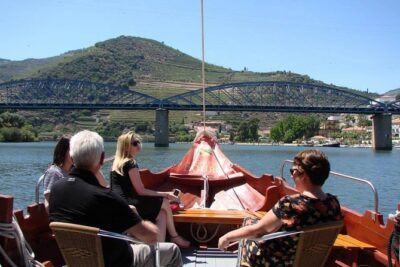
Historical Sites, Wine Experience, Lunch & Cruise
Read our review →
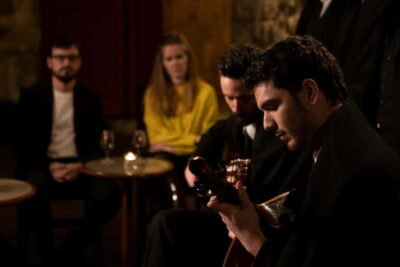
Live Fado Show with Port Wine in Historic Center
Read our review →

Browse the lists this tour appears in