
Reviewed · WORKSHOPS
Porto: Pastel de Nata Pastry-Making Workshop
Warm custard makes a fine Porto souvenir. This friendly 90-minute class brings you into Boiler Studio, a small workshop on Rua Chã 77, directly across from the Cathedral. I like the relaxed mix of baking, drinks, and conversation, and I like that you leave with at least two handmade pastéis de nata rather than only a recipe. The main thing to know is that the dough is prepared in advance, so you shape the pastry and make the custard, but you do not complete every stage from raw ingredients.
The class works especially well for solo visitors, couples, and small groups who want more than another photo stop. Instructors such as Maria, Sara, Patricia, Ana, and Alice have been praised for keeping everyone involved and making the lesson easy to follow. Group sizes are generally small, though the host shares different steps among the participants, so ask about a private class if you want to handle every part yourself.
- A Cathedral-side kitchen: Boiler Studio sits on Rua Chã 77, close to São Bento Station, the Luís I Bridge, the Cathedral, and Time Out Market.
- A practical pastry lesson: You roll the prepared dough, help make the egg custard, and learn the method through clear, staged instructions.
- A drink while the tarts bake: Your included choice may be Port wine, regular wine, or a mimosa. Some sessions have included a second drink.
- A social class for up to nine people: The format encourages conversation, with people from several countries cooking around the same table.
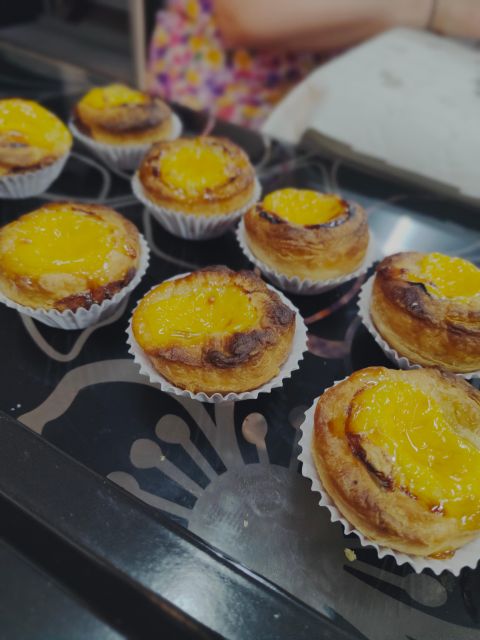
- A useful edible souvenir: You eat at least one warm tart at the studio and take two or more home in a cardboard pastry box.
- A recipe you can reuse: The printed recipe comes with practical tips for making the pastries in your own kitchen.
In This Review
- Why This Porto Class Is Worth Your Morning or Afternoon
- Finding Boiler Studio on Rua Chã 77
- The Opening: A Drink, Introductions, and Porto Tips
- Rolling the Dough and Building the Pastry Shells
- Making the Egg Custard
- Port Wine and Fresh Tarts From the Oven
- How Personal Is a Class of Nine?
- Who Will Enjoy This Most?
- Practical Value at $41 Per Person
- Small Details That Make the Experience Better
- Should You Book the Pastel de Nata Workshop?
- FAQ
- Where does the pastel de nata workshop take place?
- How long does the workshop last?
- How much does the experience cost?
- What drink is included?
- Can I take pastries home?
- Do I eat a pastry during the class?
- Do I make the pastry dough during the workshop?
- Is the class taught in English?
- Are children allowed to attend?
- How many people can join the workshop?
Why This Porto Class Is Worth Your Morning or Afternoon
Pastel de nata is one of Portugal’s most familiar foods, but eating one in a café tells you little about how it is made. This workshop gives you a feel for the balance between thin, crisp pastry and soft egg custard. You also learn why timing matters, even though the longest dough-preparation stage happens before class.
At $41 per person, the experience costs more than buying several pastéis de nata at a bakery. That comparison is fair, but incomplete. Your fee includes instruction, a drink, the social setting, at least two pastries to take away, and the chance to eat the finished batch warm. For a 1.5-hour activity in the historic center, I consider that a reasonable price, especially if you value an activity you can remember and repeat at home.
The strongest part is the mood. The class is designed to feel easygoing rather than formal. Patricia has been praised for involving every person patiently, while Maria and Sara are often singled out for humor and energy. That matters because a pastry class can become awkward if one confident cook takes over. Here, the host brings people forward in stages and gives the group different jobs.
Finding Boiler Studio on Rua Chã 77
The meeting point is easy to pair with a walking day in central Porto. Boiler Studio is on Rua Chã 77, a typical street just in front of the Cathedral. São Bento Train Station, the Luís I Bridge, Time Out Market, and the Cathedral are all named nearby reference points, so you can place the class within a sightseeing plan rather than making a separate trip across town.
I would allow extra time to reach the studio. Porto’s central streets can be steep and uneven, and the Cathedral area is a place where you may pause for views or photographs. The workshop itself lasts 90 minutes, but the useful planning window is closer to two hours once you include finding the entrance, settling in, and packing your pastries.
The studio has received praise for its bright, clean layout. There is also a small area with gifts for sale. That is a minor detail, but it gives the space more character than a plain rented kitchen.
More Pastel de Nata Workshops in Porto
- Porto: Pastel de Nata Cooking Class with Grandma’s Recipe
★ 5.0 · 1,565 reviews - Porto: Pastel de Nata Cooking Class with Port Wine – Sé
★ 4.8 · 888 reviews - Workshops Pasteis de Nata in Porto, Portugal
★ 4.9 · 520 reviews
The Opening: A Drink, Introductions, and Porto Tips
The class begins with a complimentary drink. You can have Port wine, regular wine, or a mimosa, depending on the session and your preference. Port is the most local choice, and a Port tonic has been particularly well received. If you do not want alcohol, ask about the available regular or nonalcoholic option when you arrive.
This first part helps the group relax. People have come from different countries, and the shared table gives you an easy reason to talk. Solo visitors should feel comfortable booking this activity. One participant who attended alone found the atmosphere welcoming, and the small group format makes it easier to meet people without having to force conversation.
Your instructor also shares suggestions for Porto. These tips can include food places and general ideas for seeing the city. I would bring a phone note or a small notebook because this is the point in the day when useful restaurant advice can disappear under a layer of flour and custard.
The instructors are a key part of the experience. The names most often associated with the class include Maria, Sara, Patricia, Ana, Alice, and Sarah. Your host may differ, but the pattern is clear: the teaching style is warm, humorous, and inclusive rather than stiff.
Rolling the Dough and Building the Pastry Shells
The pastry work is hands-on, but you should understand the limit. The dough cannot be made during the workshop because it needs about three hours to rest and reach the proper condition. A prepared dough is supplied, and the recipe is given to you so you can make the full version at home.
You still get to roll the dough and shape the pastry shells. This is the part where the class becomes more useful than a simple demonstration. You can see how the pastry is handled and get corrections from the instructor instead of guessing later in your kitchen.
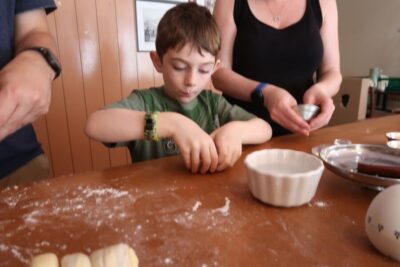
The process is shared among the people present. In one session, participants were brought to the front of the table in stages to complete particular sections. That approach keeps the pace moving and gives everyone a turn, but it also means you may not personally perform every single step.
If doing the entire method matters to you, ask about a private workshop before booking. The supplied information says the host can provide more details for a private format, and larger groups also need to make an inquiry. For a normal group, the shared approach is part of the fun, but serious home bakers may prefer a more complete, individual lesson.
Making the Egg Custard
Once the shells are ready, the focus turns to the egg custard. The instructor explains the steps and shows how the mixture is prepared before it goes into the pastry. This is where the printed recipe becomes useful, since you can write down the tips that are easy to forget.
The class is not only about measuring ingredients. Your host explains the process and answers questions about recreating the pastries at home. One participant successfully used the advice later, and another noted that the printed recipe included enough guidance to feel confident baking for friends and family.
That practical detail is one of the best reasons to choose this workshop. You are not simply watching a professional produce perfect tarts. You are learning a repeatable method, with the important warning that a larger batch may require more than one baking tray or mold set if you want to finish in a reasonable time.
You should also keep expectations sensible. Your pastries are made by a group, and the finished result depends on shared work. The instructors have been praised for producing delicious tarts, but this is a social lesson, not a professional pastry-school examination.
More pastry workshops:
- Porto: Pastel de Nata Cooking Class from Scratch
★ 4.9 · 468 reviews - Pastel de Nata | Workshop from scratch | Porto’s city center
★ 5.0 · 449 reviews - Porto: Pastel de Nata Cooking Class with Porto Wine (Sé do Porto)
★ 5.0 · 340 reviews - Lisbon: Pastel de Nata Baking Class
★ 4.9 · 2,106 reviews
Port Wine and Fresh Tarts From the Oven
While the pastéis bake, you have time for your drink and conversation. Some sessions have provided two alcoholic drinks rather than one, though the stated inclusion is one glass. Treat the second drink as something that may be offered, not as a guaranteed part of the booking.
The baking pause is well used. Instead of standing around waiting for the oven, you can ask questions, talk with the other participants, and hear more about Porto. The class has been especially popular as a rainy-day activity, when an indoor hour and a half feels far better than trudging through wet streets.
Then comes the payoff: warm pastel de nata. You eat the fruits of the group’s work at the studio, when the pastry is fresh and the custard is still appealingly soft. You also receive two or more tarts in a cardboard box to carry away. Several sessions have produced three per person, with one eaten immediately and two saved for later, but the reliable promise is at least two to take home.
That takeaway portion adds real value. You can enjoy one after the class, share the others, or save them for a hotel-room snack. They are not designed as a long-term souvenir, so plan to eat them fairly soon.
How Personal Is a Class of Nine?
The advertised maximum is nine people. That is small enough for a friendly table and large enough to create a lively mix of nationalities. A six-person group, for example, gives you room to meet others without feeling crowded.
The teaching method is collaborative. The host shares the various steps among the people present, which prevents the lesson from dragging. You may roll the pastry while someone else handles another stage, then switch positions as the process continues.
I see this as both a strength and a limitation. It is good for a first-time cook who wants guidance without pressure. It is less ideal if you expect to make one complete pastry from beginning to end entirely by yourself.
For groups of more than eight people, contact the provider for details. The information also asks groups over nine to inquire, and a private workshop is the sensible choice if your group wants full participation at every stage.
Who Will Enjoy This Most?
I would recommend the class to anyone who likes food, conversation, and a modest amount of hands-on activity. It suits couples looking for a shared experience, friends who want a light afternoon plan, and solo visitors who enjoy meeting people around a table.
Children over 10 are welcome. Younger children are not suited to this activity, so families should plan accordingly. The class is conducted in English, making it a straightforward choice for English-speaking visitors.
It is also a good pick for anyone who wants an indoor break. Porto’s weather can change quickly, and the workshop gives you a useful alternative to another museum or café stop. You get a local food lesson without committing half a day to a formal cooking school.
Food enthusiasts should note the dough issue before booking. If your main goal is to learn the complete pastry process from raw dough onward, this class will not fully meet that aim. If your goal is to understand the construction, make the custard, shape the shells, learn home-baking tips, and enjoy the social side, it fits well.
Practical Value at $41 Per Person
The price makes sense when you count the parts separately. You receive 90 minutes of instruction, a drink, fresh pastries to eat, and at least two more to carry away. You also get the printed recipe and the host’s advice about making the dessert at home.
The greatest value is not the quantity of food. Bakeries in Porto can sell pastel de nata cheaply, and you should certainly try them from different shops while you are in town. The workshop earns its price by turning a familiar snack into an activity.
I would book it early if your Porto schedule is tight, since the small group limit can reduce the number of available places. The flexible cancellation policy allows a full refund when you cancel at least 24 hours in advance, and you can reserve now while paying later. Those terms help if your itinerary is still shifting.
Small Details That Make the Experience Better
Bring a way to record the recipe and tips. The printed instructions are useful, but the extra advice from the instructor is the part you may want to remember when you bake at home.
Wear something comfortable and expect to share the work surface. This is a practical kitchen session, not a seated talk, so you will get more from it if you are ready to roll dough, help with the custard, and move through the stages with the group.
Ask questions about Porto before the class ends. Your host may have suggestions for food spots that are more useful than a generic list, especially if you explain what sort of meal or pastry you want next.
Finally, do not assume the drink allowance means an open bar. One drink is included, and some sessions have served more, but the exact amount can vary.
Should You Book the Pastel de Nata Workshop?
Yes, if you want a warm, social Porto activity with a useful result. The hosts have a strong record of making people feel included, and Maria, Sara, Patricia, Ana, Alice, and Sarah are repeatedly praised for humor, patience, and clear instruction. The studio’s Cathedral-side location also makes it easy to fit into a day of sightseeing.
I would skip it only if you want a full professional baking lesson or a quiet, private class by default. The dough is prepared ahead of time, and the group shares the steps. For everyone else, $41 buys a cheerful local experience, a drink, fresh pastries, a recipe, and enough practical advice to try bringing a little Porto into your own kitchen.
FAQ
Where does the pastel de nata workshop take place?
It takes place at Boiler Studio, Rua Chã 77, on a typical street in front of Porto’s Cathedral.
How long does the workshop last?
The workshop lasts 1.5 hours.
How much does the experience cost?
The listed price is $41 per person.
What drink is included?
You receive one glass of Port wine, regular wine, or a mimosa.
Can I take pastries home?
Yes. You receive two or more pastel de nata to take away in a cardboard pastry box.
Do I eat a pastry during the class?
Yes. You can enjoy the finished pastries after they come out of the oven, as well as taking pastries with you.
Do I make the pastry dough during the workshop?
No. The dough is prepared in advance because it needs about three hours to be ready. You receive the recipe so you can make the dough at home.
Is the class taught in English?
Yes. The instructor language is English.
Are children allowed to attend?
Children over 10 years old are welcome. Children under 10 are not suitable for the activity.
How many people can join the workshop?
The activity has a maximum of nine people. Groups larger than eight should ask for more information, and private workshops are available for those who want to take part in every stage.
Just added around Porto
- Matosinhos: Conservas Pinhais Factory Tour★ 4.8 · 173 reviews
- Private Geres National Park Tour with Lunch and Transfers★ 5.0 · 174 reviews
- Porto: Tour on the Douro River in a Classic Boat★ 5.0 · 178 reviews
- Porto: Santiago de Compostela and Valença do Minho Day Trip★ 4.5 · 181 reviews
- Porto: 6 Bridges Port Wine River Cruise with 4 Tastings★ 4.8 · 182 reviews
- Private Rafting Experience in Melgaço★ 5.0 · 186 reviews
- Tile Painting and Cocktails in Downtown Porto★ 5.0 · 187 reviews
- Porto: Combined Ticket for WOW Cultural District★ 4.7 · 188 reviews
Workshops, compared.
Pastel de Nata Cooking Class with Grandma’s Recipe
Read our review →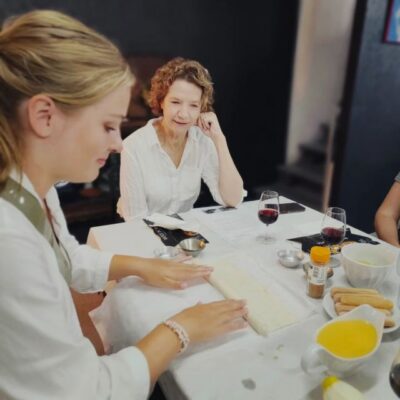
Pastel de Nata Cooking Class with Port Wine – Sé
Read our review →


Tile-Painting Workshop with Porto Wine – Bainharia
Read our review →Browse the lists this tour appears in