
Reviewed · WORKSHOPS
Pastel de Nata Baking Class – Portugal’s Famous Custard Tart
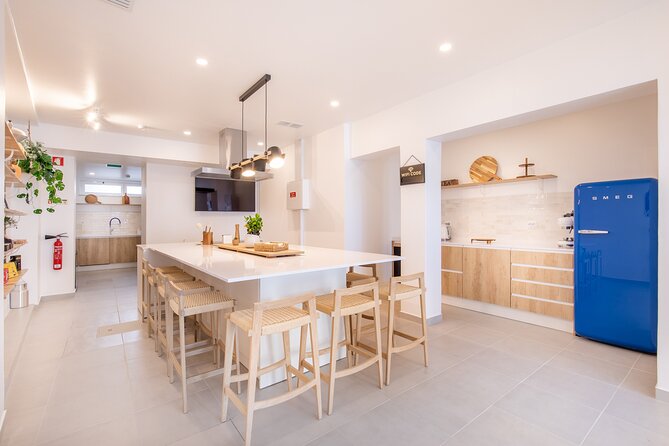
Custard, pastry, and a very hot oven make a fine afternoon. The Pastel de Nata Baking Class in Lagos turns Portugal’s most famous sweet into a hands-on cultural lesson, with about two hours of cooking, tasting, and conversation at The Kitchen. I like the small maximum of 10 people, which keeps the class personal, and I like that you receive the recipe as a PDF afterward. The main thing to know is that you may not make every part of the puff pastry from scratch during your session.
The class costs $78.44 per person. That is not a cheap dessert stop, but you are paying for instruction, ingredients, equipment, a freshly baked treat, and a recipe you can use at home. Joana Glória and her team receive especially high praise for their friendly teaching, clear English, and good humor. A little port wine may also accompany the finished tarts.
In This Review
- Key points at a glance
- Why pastéis de nata make a fine Lagos activity
- Arriving at The Kitchen in Lagos
- The opening lesson and kitchen introduction
- Making the custard, the heart of the tart
- The pastry stage, and an important expectation
- Filling, baking, and the occasional runaway tart
- Tasting your pastéis de nata
- Joana Glória and the teaching style
- Is $78.44 a fair price?
- Who should book this class?
- Booking advice for your day in Lagos
- My verdict on this Lagos pastry class
- FAQ
- Where does the Pastel de Nata Baking Class take place?
- How long does the class last?
- Is the class taught in English?
- How many people can join the class?
- What is included in the price?
- Can I cancel for a full refund?
Key points at a glance
- A two-hour hands-on pastry class: You help prepare the custard, work with pastry, fill the tart shells, and bake the pastéis de nata.
- A small group capped at 10 people: The size should make it easier to follow instructions and take part rather than simply watch.
- Joana Glória brings warmth and humor: Her lively teaching style is one of the experience’s most praised features.
- The pastry process has one important limit: Some sessions use pastry prepared by an earlier class, so you may focus more on custard and assembly.
- You eat the finished tarts at the end: The class includes the pastries you make, with some sessions also offering port wine.
- A recipe PDF helps after Portugal: You receive the instructions by email so you can try the recipe at home.
Why pastéis de nata make a fine Lagos activity
Pastel de nata is more than a sweet snack grabbed beside a coffee. The tart brings together several basic pastry skills: laminated dough, custard making, careful filling, and high-temperature baking. That makes it a useful cooking class for beginners, while still giving experienced home cooks a few details to take away.
You do not need cooking experience. The process is broken into manageable jobs, and the instructors guide you through each stage. That matters because puff pastry and custard can look fussy on paper. In a class, you can see the texture, ask questions, and learn what the mixture should look like before it goes into the oven.
The cultural side is part of the appeal. The class is designed to explain the Portuguese treat as you make it, and Joana has also been praised for sharing suggestions about Lagos and the Algarve. You are not simply following a recipe in a neutral kitchen. You are making one of the country’s signature pastries in Portugal itself.
More pastry workshops:
- Lagos: Bake Pastel de Nata – Class in Lagos, Algarve
★ 4.9 · 198 reviews - Lisbon: Pastel de Nata Baking Class
★ 4.9 · 2,106 reviews - Porto: Pastel de Nata Cooking Class with Grandma’s Recipe
★ 5.0 · 1,565 reviews
Arriving at The Kitchen in Lagos
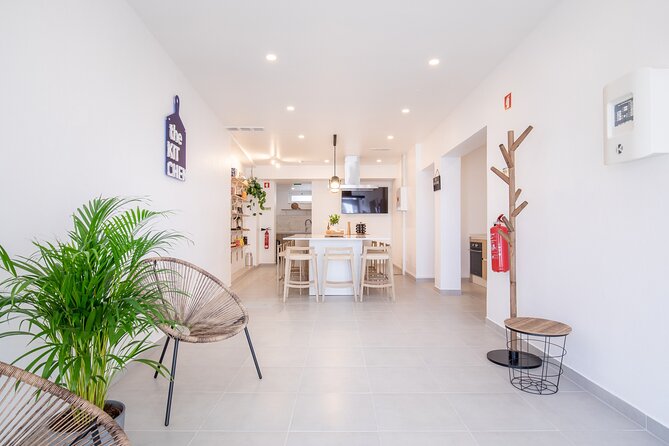
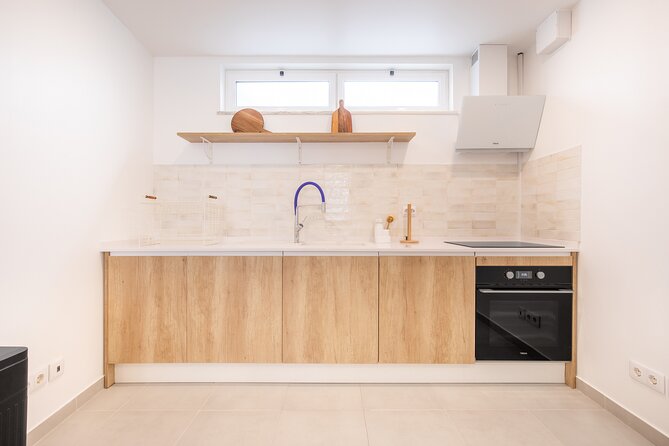
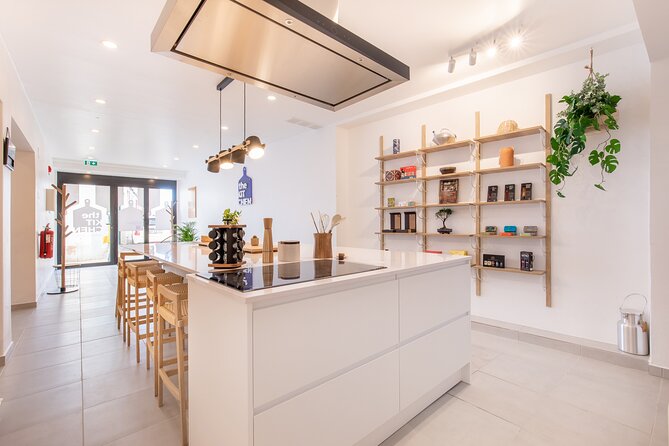
The class starts at Rua Lucinda Anino dos Santos F, 8600-722 Lagos, and ends at the same meeting point. The venue is described as a beautiful, modern kitchen, and that setting adds a little ceremony to what could otherwise be a basic baking lesson.
The address is near public transportation, which is helpful if you are staying elsewhere in Lagos. Your confirmation arrives at the time of booking, so keep the meeting details available on your phone. The ticket is mobile, another small convenience when you are moving around Portugal without a printer.
The experience is offered in English. That makes it a practical choice for international visitors who want instruction they can follow closely. Since the group can include up to 10 people, you should have a better chance of hearing the explanations and getting involved than you would in a large demonstration class.
The opening lesson and kitchen introduction
The class begins by introducing the basic parts of a pastel de nata. You learn that the tart depends on two central elements: crisp pastry and smooth custard. The instructors then guide the group through how those parts come together.
This opening is important for beginners because it gives the recipe a clear order. You are not asked to juggle every task at once. The class works through the custard, pastry, filling, and baking stages in sequence.
The tone appears to be relaxed rather than formal. Joana Glória is often praised for making the class entertaining and welcoming, while still giving step-by-step instruction. That balance helps if you want to learn but do not enjoy stiff, overly technical cooking lessons.
There may also be light games or conversation while the tarts bake. This is a small touch, but it helps fill the oven waiting time and encourages people to talk with one another. If you are traveling alone, the group format gives you an easy social activity without requiring a full evening commitment.
Making the custard, the heart of the tart
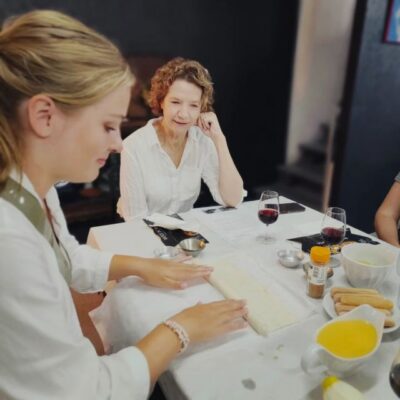
The custard is one of the main parts you actively help prepare. Each person may be assigned a portion of the process, then take a turn filling the pastry cases. This shared format lets everyone contribute, though it also means you may not personally perform every single step from start to finish.
The value here is practical. Custard can easily become too thin, too thick, or unevenly cooked at home. In class, you can watch the instructors handle the mixture and ask about the right consistency. You also see how much filling belongs in each shell, an ordinary detail that can make the difference between a neat tart and a custard overflow.
The end result is meant to be eaten fresh. That gives you an immediate way to judge the balance of crisp pastry and creamy filling. Several class participants have described the finished pastéis as delicious, with the tasting often treated as the reward for the work.
More hands-on cookery sessions:
- Porto: Pastel de Nata Cooking Class with Port Wine – Sé
★ 4.8 · 888 reviews - Lisbon: Traditional Portuguese Cooking Class
★ 4.9 · 592 reviews - Porto: Pastel de Nata Cooking Class from Scratch
★ 4.9 · 468 reviews - Lisbon: 2-Hour Pastel de Nata Cooking Class
★ 4.8 · 461 reviews
The pastry stage, and an important expectation
The class description presents pastry preparation as part of the process, but there is a practical qualification. To keep the workshop from taking too long and to reduce waste, some pastry used in a session may have been prepared by an earlier group.
That means you may not personally create the entire pastry case from the beginning. Instead, the class can focus on the custard, shaping or handling the prepared pastry, filling the shells, and baking the tarts. The provider explains this as a way to reuse freshly prepared dough rather than throw it away.
I see both sides. If your main goal is to learn the full pastry technique, this arrangement may leave you wanting more. If you mainly want to understand the recipe, take part in a social activity, and eat good tarts in Lagos, it keeps the class within its two-hour length.
Ask about the exact pastry portion if laminated dough is the main reason you are booking. This is the most important detail to clarify before paying.
Filling, baking, and the occasional runaway tart

Once the custard and pastry are ready, you combine them and place the tarts in the oven. The baking stage is where the familiar golden tops and browned edges begin to appear. You will need a little patience here, since the pastries are not ready the moment they go in.
The class is hands-on, but baking is not always perfectly tidy. Pastry cases can shift or allow custard to escape. That does not necessarily ruin the taste, but it can affect the neat appearance of the finished tart. Think of this as a real cooking lesson rather than a pastry factory where every piece looks identical.
The wait may include games and conversation. Some sessions finish with port wine alongside the pastéis de nata, giving the tasting a distinctly Portuguese touch. The supplied details do not promise port as a formal inclusion for every class, so treat it as a possible extra rather than the central reason to book.
Tasting your pastéis de nata
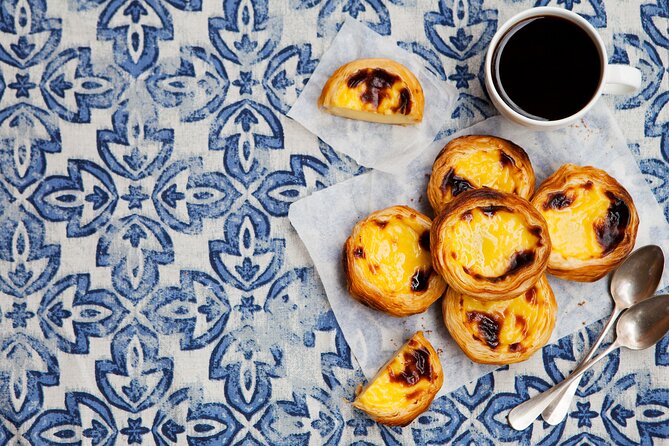
At the end, you eat the custard tarts made during the class. One account describes receiving two pastéis de nata and being able to take them away if preferred. Since serving details can vary, confirm the exact quantity if that matters to you.
The tasting is more satisfying because you have seen the work behind the pastry. You know how the custard was made, how the shells were filled, and how the oven changed the texture. Even a tart with a slightly imperfect case can taste excellent.
Some classes have also included a small port tasting. If offered, it provides a pleasant finish, but the core included dessert is the freshly baked pastel de nata. The class is not presented as a full meal, so plan lunch or dinner separately.
Joana Glória and the teaching style
Joana Glória is the name most closely linked with the experience. She is praised for being patient, lively, professional, and entertaining. Her English is described as excellent, which should make the technical parts easier to follow.
The strongest part of the teaching style seems to be its friendliness. You are encouraged to take part, ask questions, and enjoy the process. Joana has also added local suggestions about Lagos and the Algarve during class, which can make the session more useful than a recipe lesson alone.
The class suits people who prefer interaction over a quiet demonstration. If you want a strict pastry-school approach with every gram and movement measured, the playful format may feel less exact. If you want clear help, a welcoming room, and a chance to laugh when a tart misbehaves, it sounds like a good match.
Is $78.44 a fair price?
At $78.44 per person, the class costs more than buying several pastéis de nata at a bakery. That comparison is fair, but incomplete. The fee covers roughly two hours of instruction, ingredients, use of cooking tools, the tasting, and a recipe PDF for later use.
You are also paying for a hosted cultural activity in a small group. The maximum of 10 people matters here. A cheaper large-group demonstration might give you less personal participation, while a private cooking lesson would likely cost more.
The value is strongest if you will actually bake the recipe again. The emailed PDF turns the class into something you can repeat after returning home. It is also a good choice for a birthday or couple’s activity, since the class has been used successfully as a gift and can include a small celebration such as a candle in one tart.
The value is weaker if you only want to eat the pastry or if you insist on making every layer of dough yourself. In that case, a bakery crawl may offer more food for less money, and a more technical pastry course may better fit your goals.
Who should book this class?
I would recommend it to:
- Couples looking for a relaxed shared activity in Lagos
- Families or friends who enjoy cooking together
- Solo visitors who like meeting people in a small group
- Beginners who want a simple introduction to Portuguese baking
- Home cooks who want a traditional recipe to recreate
- Anyone who enjoys food with a local story attached
It may not suit you if you dislike group activities, want a full meal, or expect an advanced pastry qualification. The lesson is designed to be fun and accessible, not an intensive professional bakery course.
The English-language format is useful for international visitors. Service animals are allowed, and the meeting point is near public transportation. No other accessibility details are supplied, so contact The Kitchen before booking if you need specific arrangements.
Booking advice for your day in Lagos
The activity is often reserved about 26 days ahead. That suggests you should not leave it until the last afternoon of a short Lagos stay, especially if your dates are fixed. Book early if this is a highlight of your plans.
The cancellation policy is forgiving up to 24 hours before the start time, with a full refund available if you cancel by then. Changes or cancellations made inside that 24-hour window are not accepted for a refund. The provider also requires a minimum number of participants, so a cancellation by the operator can result in another date, a different experience, or a full refund.
I would schedule the class on a day when you have room to linger afterward. The activity lasts about two hours, but cooking, tasting, and getting back into town can take a little extra time. A relaxed afternoon works better than placing it between two tightly timed attractions.
My verdict on this Lagos pastry class
The Pastel de Nata Baking Class offers a pleasant mix of food, culture, and conversation. Its strongest points are the friendly instruction from Joana Glória and her team, the small group size, the attractive kitchen, and the chance to leave with a recipe you can use again.
The pastry caveat matters. You may work with dough prepared by an earlier class, so this is not always a complete from-scratch puff pastry workshop. Still, you take part in the custard, filling, and baking, then eat the result fresh from the oven.
With a 4.9 rating and 97 percent recommendation rate, the experience has earned a very strong response. I would book it if you want a cheerful, hands-on Lagos activity and care more about learning the process and enjoying the afternoon than mastering every technical pastry step. If that sounds like you, the price is reasonable for a compact cooking experience with a useful souvenir: a recipe you can bake long after Portugal.
FAQ
Where does the Pastel de Nata Baking Class take place?
The class starts and ends at Rua Lucinda Anino dos Santos F, 8600-722 Lagos, Portugal.
How long does the class last?
The experience lasts approximately two hours.
Is the class taught in English?
Yes. The class is offered in English.
How many people can join the class?
The activity has a maximum of 10 participants.
What is included in the price?
The price includes the ingredients and cooking tools needed for the class. You also eat the pastéis de nata prepared during the session and receive a recipe PDF by email afterward.
Can I cancel for a full refund?
Yes. You can cancel at least 24 hours before the local start time for a full refund. Cancellations or changes made less than 24 hours before the start time are not accepted for a refund.
Just added around Lagos
- Sunrise SUP Caves Tour in Lagos – Small Group Experience★ 5.0 · 49 reviews
- Benagil Caves- Speed Boat Tour★ 4.5 · 51 reviews
- Sunset Yoga at Lagos’s beautiful beach by el Sol Lifestyle★ 5.0 · 52 reviews
- Paddleboard rental in Lagos★ 5.0 · 53 reviews
- Algarve: Group Surfing Lesson★ 4.6 · 54 reviews
- Half Day Sagres&Jeep Off-road Algarve Natural Park WestCoast★ 4.8 · 54 reviews
- Sunrise Hot Air Balloon Flight in Algarve★ 5.0 · 59 reviews
- Lagos SUP Caves&Grottoes Tour at Sunrise, Ponta da Piedade★ 5.0 · 66 reviews
Workshops, compared.
Pastel de Nata Cooking Class with Grandma’s Recipe
Read our review →
Pastel de Nata Cooking Class with Port Wine – Sé
Read our review →

Browse the lists this tour appears in