
Reviewed · WORKSHOPS
Lisbon: 2-Hour Pastel de Nata Cooking Class
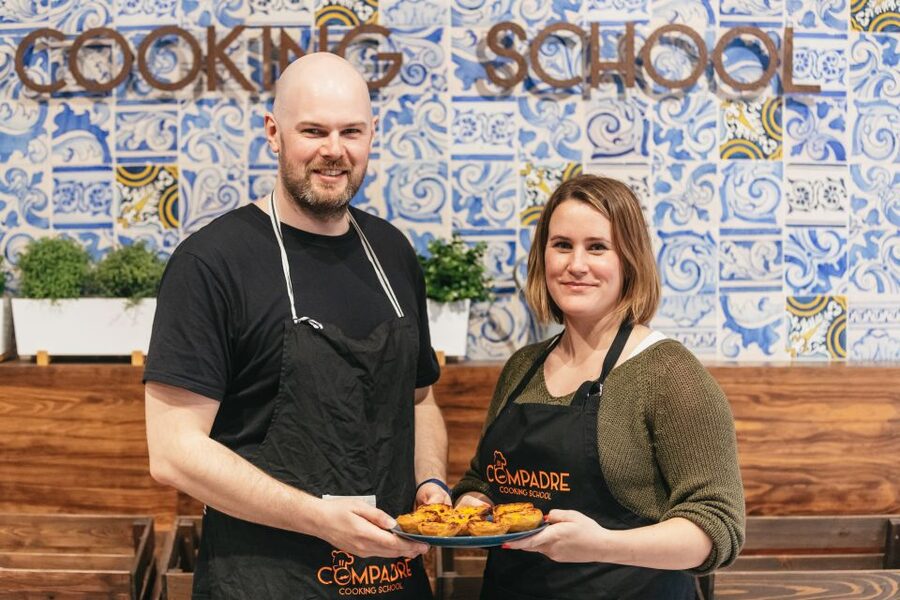
A warm tart can teach you Portugal. This two-hour Lisbon cooking class gives you a hands-on way to learn pastel de nata, with friendly instruction from cooks such as Anna and Marta, plus a second Portuguese recipe. I like the clear, beginner-friendly teaching and the chance to sit down with the group and eat what you made. One practical caution: the class involves about 1 hour and 20 minutes of standing, and the promised tea or coffee may not always be served.
The $64 price is fair if you want more than a pastry tasting. You get ingredients, equipment, an English-speaking instructor, two recipes, a light shared meal, and a small piece of Portuguese food culture you can repeat at home. Just do not expect a full restaurant lunch or a serious pastry-school course, since some of the dough and preparation may already be done for you.
In This Review
- Key points to know before booking
- Why pastel de nata belongs in your Lisbon plans
- Arriving at the local cooking kitchen
- The first steps: stories, ingredients, and pastry
- Baking the iconic egg tarts
- The second recipe adds more than a sweet extra
- Cooking with Anna and Marta
- What $64 buys you in practical terms
- Comfort, dietary needs, and the standing time
- Who will enjoy this Lisbon cooking class?
- Booking details that affect your day
- Should you book the pastel de nata class?
- FAQ
- How long does the pastel de nata cooking class last?
- Where does the class meet?
- Is the class taught in English?
- What does the price include?
- Do I learn to make anything besides pastel de nata?
- Is tea or coffee provided?
- Is the class suitable for vegans?
- Is the class suitable for people with back problems?
Key points to know before booking
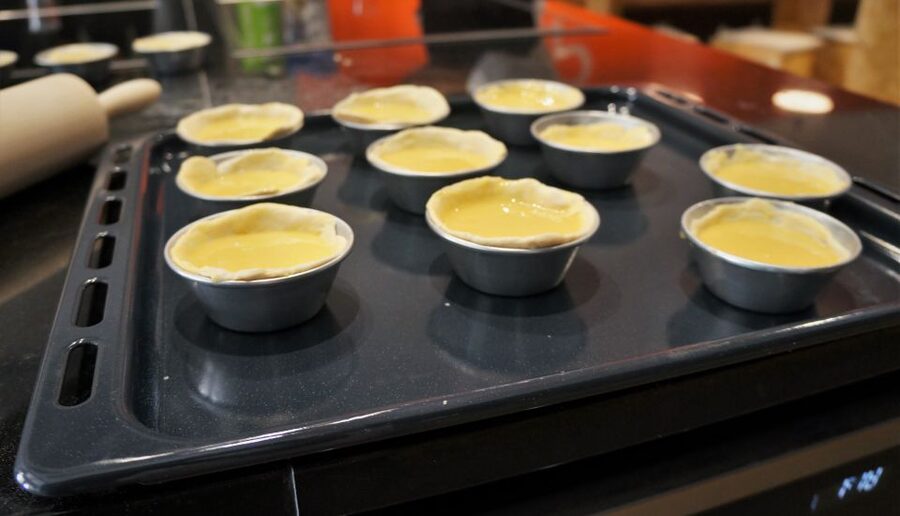
- You make pastel de nata from guided steps: The class explains how to handle the pastry and custard, then lets you shape and bake your own tarts.
- Anna and Marta receive especially warm praise: Their energy, humor, stories, and clear directions help first-time cooks feel at ease.
- A second Portuguese recipe adds real value: Depending on the session, this has included farófios, a custard dessert, or cod fritters.
- The class is social as well as practical: You cook beside other people, then share the food at the table.
- It is beginner friendly, but not fully hands-on: The dough may be prepared ahead of time, so this is more about learning key techniques than making every component from scratch.
- Plan for standing and a small meal: Wear comfortable shoes, and do not schedule it as your only lunch.
Why pastel de nata belongs in your Lisbon plans
Portugal’s famous egg tart is more than a sweet snack grabbed with an espresso. Pastel de nata has roots in 19th-century monasteries and has become one of the country’s best-known food symbols.
That background gives the class a useful sense of place. You are not just following a recipe for custard in pastry. You are learning about a food tied to Portuguese baking and daily life, then getting a chance to taste your own version while the details are still fresh.
I like this format for Lisbon because it offers a break from sightseeing without pulling you far away from the city’s food culture. A museum can explain Portugal’s past. A kitchen lets you handle one small, delicious part of it.
The class is also a good choice if you have already sampled pastel de nata at bakeries and want to understand what makes the pastry work. The instructors explain the tricks behind the tart, including the pastry technique and the simple custard filling.
Do keep your expectations in the right place. This is a compact two-hour activity, not a professional baking course. One clear point from the feedback is that the dough is prepared in advance, and the custard is quite simple. That is helpful for keeping the class moving, but it means you will not build every part from raw ingredients.
More Cooking Classes in Lisbon
- Lisbon: Pastel de Nata Baking Class
★ 4.9 · 2,106 reviews - Lisbon: Traditional Portuguese Cooking Class
★ 4.9 · 592 reviews - Lisbon Portuguese Cooking Class with 3-Course Dinner
★ 5.0 · 445 reviews
Arriving at the local cooking kitchen
The meeting point is the local partner’s kitchen in Lisbon District. When entering the address for navigation or booking details, make sure the city is listed as Lisbon.
There is no hotel pickup or drop-off, so you need to make your own way to the kitchen. The activity information does not provide a fixed starting time. You need to check the available sessions for your date and allow enough time to reach the meeting point.
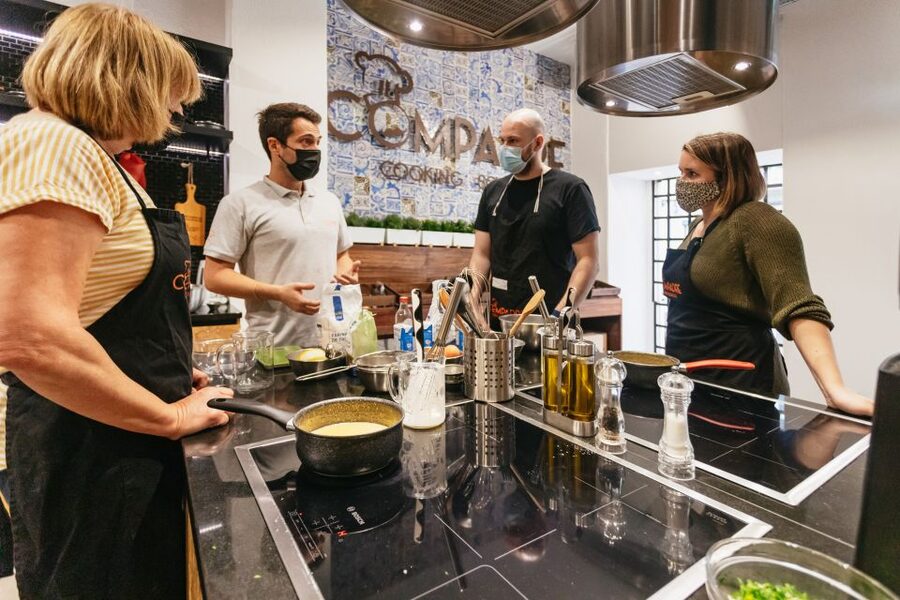
The setting itself has received praise for being clean, modern, and well equipped. One useful detail for warm-weather visits is that the kitchen has air conditioning, which can make a noticeable difference when you are standing near ovens and working with pastry.
Arrival service may be a little uneven. The class is meant to include tea, and the description also refers to coffee, but one participant found that neither was offered and that water was waiting at the table instead. I would not count on a welcome drink, and I would bring water if you like to stay well hydrated while cooking.
The first steps: stories, ingredients, and pastry
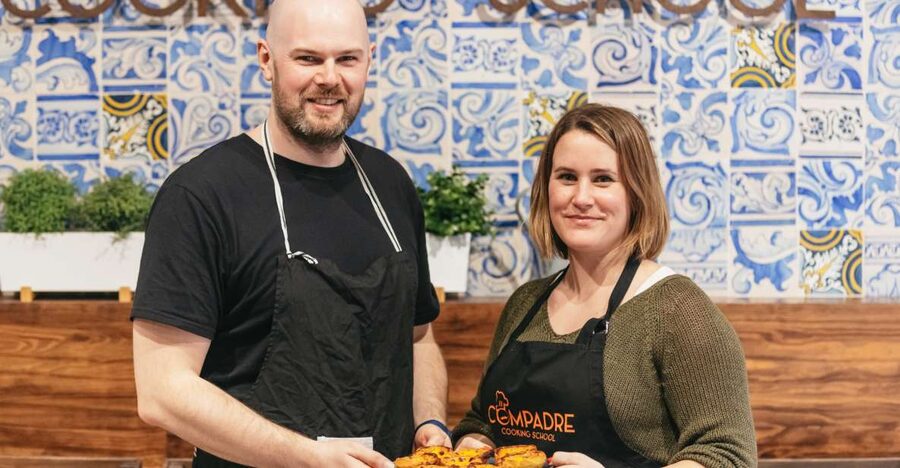
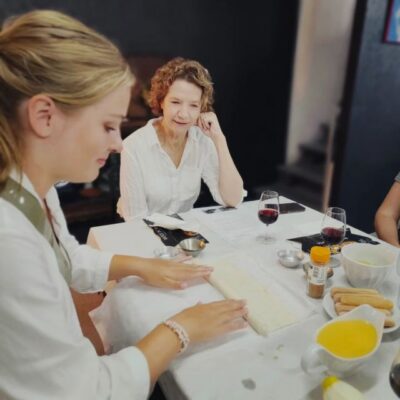
Once the class begins, the instructors introduce the food and explain the background of pastel de nata. Anna has been praised for telling the story in an easy, lively way, while Marta is also noted for giving careful practical instruction.
This part matters because the class moves quickly. In two hours, there is not time for a long lecture on Portuguese cuisine. The best use of the opening is a short explanation of where the tart came from, what you are making, and which small details affect the finished result.
You then work with the pastry and filling under direction. The instructors talk you through each stage rather than assuming you already know how to bake. That makes the activity suitable for beginners, including people who describe themselves as poor cooks.
The recipe is simple enough to follow at home, but the pastry needs more care than the custard. The class gives you useful techniques for getting a near-perfect tart, including advice on preparing the pastry properly and making the custard smooth.
Because the dough is made ahead, your role is focused on the shaping and key finishing steps. I see this as a sensible trade-off. You get a finished pastry within the short class, but anyone hoping to practice the entire pastry-making process should know that some preparation is handled before you arrive.
Baking the iconic egg tarts
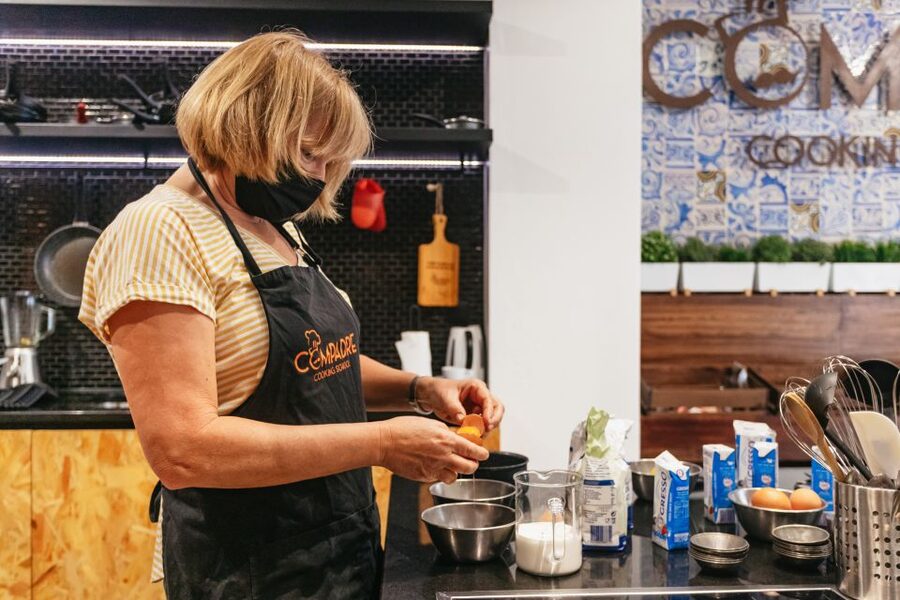
The most satisfying part is seeing your own pastries take shape. You work through the steps with the instructors, then wait for the results before sitting down to eat.
The finished pastel de nata is the main reward, and the strong feedback about taste is easy to understand. The class is designed around a food that is warm, crisp, creamy, and best enjoyed soon after baking. You also learn the method well enough to try it again at home.
That take-home value is important. The experience does not end when you leave the kitchen. You receive the recipes for two Portuguese treats, giving you something concrete to use after your Lisbon trip.
Some people have even planned to make the tarts for family, friends, or work colleagues after returning home. That is a better souvenir than another fridge magnet, though your first attempt may require patience. The class gives you a clear starting point and the instructors’ tips, but home ovens and pastry tools can vary.
If you want to bring some of your batch away, bags are available for leftovers. The catch is obvious: the tarts may be too tempting to save. Plan on eating at least some at the table.
More Pastel de Nata Workshops in Lisbon
- Pastel de Nata Masterclass at a Real Bakery in Downtown Lisbon
★ 5.0 · 491 reviews - Pastel de Nata Pastry Class: Bake and Enjoy Your Own Treats
★ 5.0 · 485 reviews - Pasteis de Nata Baking Class from Lisbon
★ 5.0 · 248 reviews
The second recipe adds more than a sweet extra
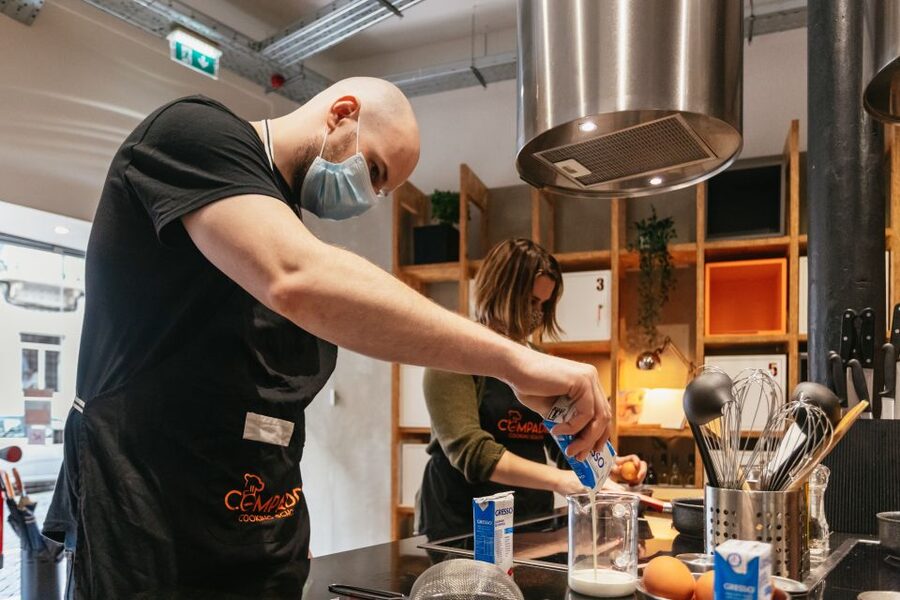
The class includes a second traditional Portuguese recipe, and this is one of its strongest features. It keeps the activity from becoming a single-purpose lesson about egg tarts.
The extra recipe can vary by session. Examples have included farófios, a traditional dessert made with custard, and cod fritters. The cod fritters are a particularly useful addition because they introduce a savory Portuguese flavor alongside the sweet pastel de nata.
This second dish also makes the shared meal more satisfying. Still, I would not book the activity expecting a substantial lunch. The food you eat is mainly what you have prepared, and one participant felt that the phrase light lunch could lead people to plan their day incorrectly.
My advice is simple: eat something beforehand or schedule a proper meal afterward. Treat the class as a tasting and cooking session, not as a replacement for lunch.
The second recipe is also where the activity can work well for families. A parent and child can share the tasks, and an 8-year-old has successfully taken part. Teenagers may also respond well because the class offers something active to do while teaching a real part of Portuguese culture.
Cooking with Anna and Marta
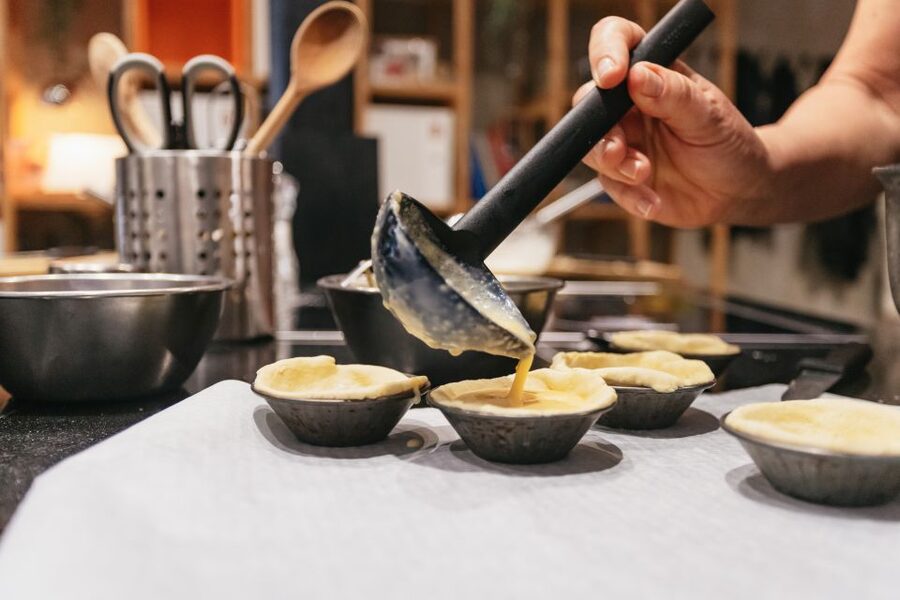
The instructors are a major reason this class receives such strong marks. Anna and Marta are repeatedly praised for their friendliness, humor, energy, and ability to explain each step clearly.
That combination is more useful than formal culinary credentials in a short class. You need someone who can keep the pace moving, answer basic questions without fuss, and make you comfortable if your pastry looks less than perfect.
Anna is also known for recommending places to try pastel de nata in Lisbon. That is a nice bonus because it connects the class with the city’s bakeries. You can use the lesson as a starting point, then taste how local shops handle the same pastry.
The atmosphere is casual. People of different ages and nationalities cook together, chat, and sit down at the end to sample the food. One small improvement would be having everyone introduce themselves at the beginning, which could make the social side easier for solo participants.
Still, solo booking is possible, and one solo participant found the class welcoming. You do not need to arrive with a partner or family group to get value from it.
What $64 buys you in practical terms
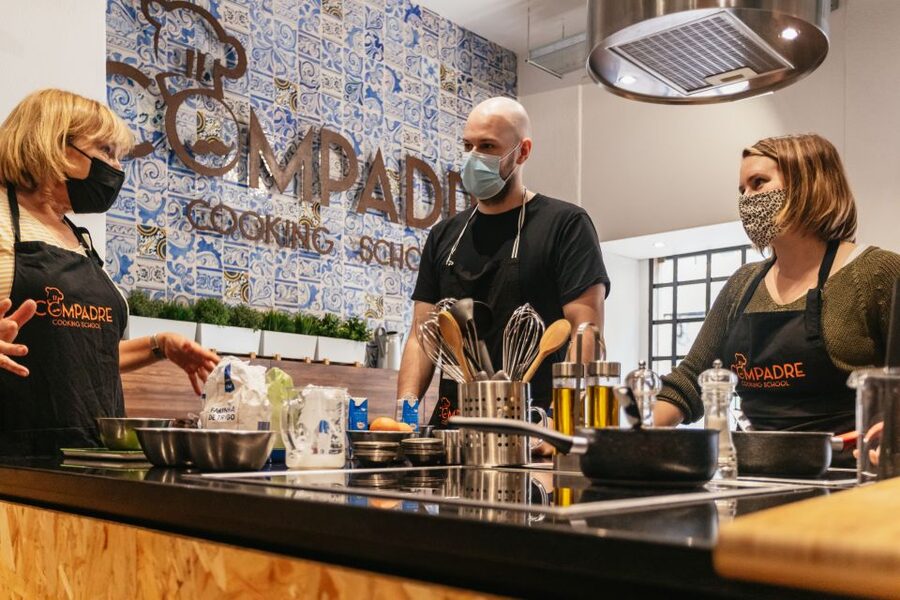
At $64 per person, this is not the cheapest way to eat pastel de nata in Lisbon. You can buy a tart for very little money at a bakery. The price makes sense only if you want the instruction, the social setting, the story behind the food, and the recipes to take home.
The fee includes the cooking equipment, utensils, ingredients, instructor, insurance, two recipes, and tea. The activity also includes the food made during the session, along with a light meal to share after cooking.
I consider the price reasonable for a two-hour class, especially if you value an activity that works in poor weather and gives you a skill to repeat. Families should calculate the cost carefully, since the experience is priced per person.
The value is weaker for anyone who mainly wants to eat. In that case, spend your money on several bakery visits instead. It is also less useful for an experienced baker who expects advanced pastry work, since the class keeps the process accessible and some preparation is completed ahead of time.
Comfort, dietary needs, and the standing time
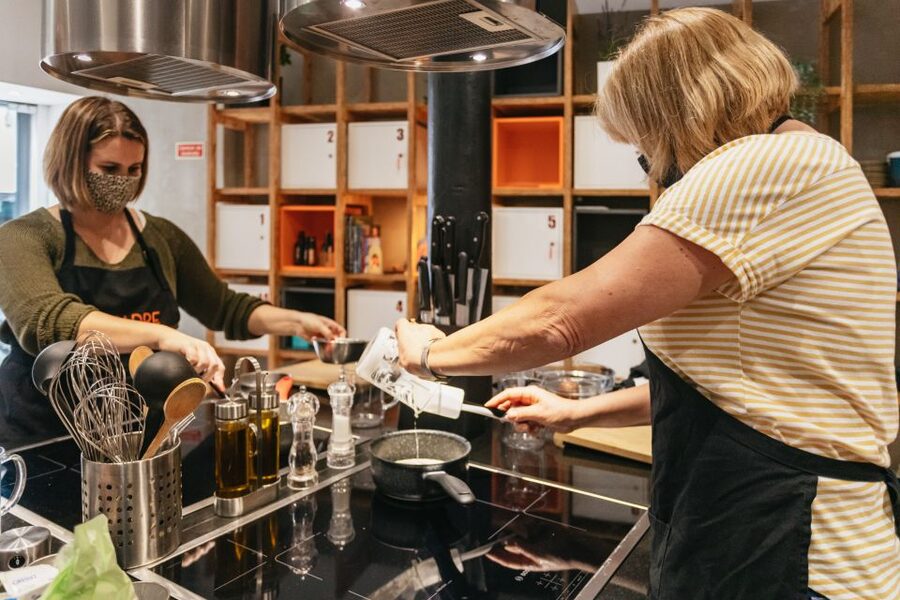
Wear comfortable shoes. You will be on your feet for about 1 hour and 20 minutes, so this is not ideal if standing for that long causes discomfort.
People with back problems are specifically advised not to take part. The activity does not suit anyone who needs frequent seated breaks during kitchen work.
Vegan participants should contact the local supplier before booking. Portuguese cuisine is not especially vegan friendly, and the standard class centers on egg custard and other traditional recipes that may contain animal products.
Vegetarian needs have been accommodated easily in at least one case, but you should still contact the supplier in advance rather than assume a change can be made on the day. The supplied information confirms English instruction, but it does not list other teaching languages.
Pets and smoking are not allowed. These are ordinary kitchen rules, but they matter if you are planning the class around a full day out.
Who will enjoy this Lisbon cooking class?
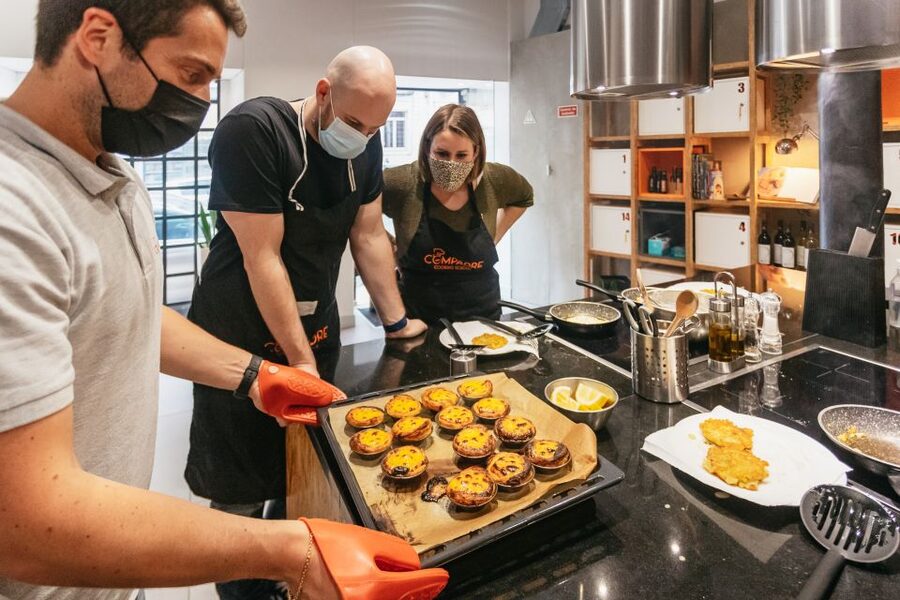
I would recommend it most to:
- First-time visitors who want a food-based introduction to Portugal
- Couples looking for a shared activity beyond sightseeing
- Families with children or teenagers who enjoy making things together
- Solo visitors who want an easy social setting
- Beginner cooks who appreciate close guidance
- Pastel de nata fans who want to learn the basic technique
It is less suitable for someone seeking a full meal, a vegan-focused class, or advanced pastry training. It is also a poor match if you have back problems or dislike standing in a kitchen.
The class is especially useful on a Lisbon itinerary that already includes bakery stops. After learning the method, you will notice the pastry, custard, and finish more closely when you try tarts elsewhere.
Booking details that affect your day
The activity lasts two hours, with starting times based on availability. Since there is no pickup, check the kitchen address carefully and enter Lisbon as the city when using the booking or map system.
Free cancellation is available up to 24 hours in advance for a full refund. You can also reserve now and pay later, which helps if you are still arranging your Lisbon schedule.
I would place the class in the morning or afternoon, leaving room for a proper meal. Since the end-of-class food is mainly the pastries and second recipe you prepare, you should not use it as your only food plan for the day.
Also allow a little time after the scheduled finish if you want to eat comfortably, pack leftovers, and chat with the instructors. The activity itself is two hours, but the shared table is part of its appeal.
Should you book the pastel de nata class?
Book it if you want to do something active, eat what you make, and carry a Portuguese recipe home. The 4.8 rating from 461 reviews reflects the class’s strongest qualities: clear teaching, friendly hosts, tasty results, and a relaxed atmosphere.
I especially like that the experience includes a second recipe and some food history rather than stopping after the egg tarts. Anna and Marta seem to make the process easy for beginners, and the clean, air-conditioned kitchen is a practical plus in summer.
Go in knowing the limits. The dough may be prepared before class, tea or coffee may not always appear as expected, and the food is a light shared tasting rather than lunch. If those points work for you, $64 buys a pleasant, useful Lisbon memory, not just another snack.
FAQ
How long does the pastel de nata cooking class last?
The class lasts two hours.
Where does the class meet?
It meets at the local partner’s kitchen in Lisbon District. When entering the address, make sure the city is listed as Lisbon.
Is the class taught in English?
Yes. The instructor language listed for this activity is English.
What does the price include?
The $64 price includes cooking equipment, utensils, ingredients, an instructor, insurance, two different recipes, tea, and the food prepared during the class.
Do I learn to make anything besides pastel de nata?
Yes. You also prepare another traditional Portuguese recipe. Past sessions have included farófios, another custard dessert, and cod fritters.
Is tea or coffee provided?
Tea is listed as included, and the activity description also mentions coffee. However, service may vary, so you should not rely on receiving a welcome drink or coffee during the session.
Is the class suitable for vegans?
Portuguese cuisine is not very vegan friendly, so vegans should contact the local supplier before booking to discuss arrangements.
Is the class suitable for people with back problems?
No. The activity involves standing for about 1 hour and 20 minutes and is not recommended for people with back problems.
More Hands-On Cookery Sessions
- Traditional Portuguese Cooking Class in Lisbon
★ 5.0 · 287 reviews - Porto: Pastel de Nata Cooking Class from Scratch
★ 4.9 · 468 reviews - Porto: Pastel de Nata Cooking Class with Porto Wine (Sé do Porto)
★ 5.0 · 340 reviews - Porto Local Market Visit & Cooking Class / Showcooking
★ 5.0 · 206 reviews
More Pastry Workshops
- Porto: Pastel de Nata Cooking Class with Grandma’s Recipe
★ 5.0 · 1,565 reviews - Porto: Pastel de Nata Pastry-Making Workshop
★ 4.9 · 1,542 reviews - Porto: Pastel de Nata Cooking Class with Port Wine – Sé
★ 4.8 · 888 reviews - Workshops Pasteis de Nata in Porto, Portugal
★ 4.9 · 520 reviews
Just added around Lisbon
- Central Lisbon E-Bike Tour★ 5.0 · 168 reviews
- From Lisbon: Sintra and Cascais Full-Day Private Tour★ 4.9 · 168 reviews
- Experience the Queen of Fado at Ah Amália Living Experience★ 5.0 · 171 reviews
- Lisbon – Vinho Verde Wine Premium Boat Experience★ 5.0 · 171 reviews
- Lisbon: 2-Hour Sunset Sailing Tour on Luxury Sailing Yacht★ 4.9 · 171 reviews
- From Lisbon: Small Group Fátima & Little Shepherds Town Tour★ 4.8 · 171 reviews
- Horse Riding on the Beach★ 4.5 · 171 reviews
- Óbidos: Medieval Tales & Secrets Spots Guided Walking Tour★ 4.9 · 171 reviews
Workshops, compared.

Pastel de Nata Cooking Class with Grandma’s Recipe
Read our review →
Pastel de Nata Cooking Class with Port Wine – Sé
Read our review →


Browse the lists this tour appears in