
Reviewed · WORKSHOPS
Pastel de Nata Pastry Class: Bake and Enjoy Your Own Treats
Fresh pastry, warm from the oven. That is the charm of this Lisbon class, where you make pastel de nata from scratch instead of simply ordering one at a café. I like the hands-on format, which covers both the puff pastry and custard filling, and I like the relaxed finish with coffee, tea, juice, beer, or Porto wine. The main consideration is that part of the two-hour session is social time while the pastries bake, so it may feel short if you want a full-scale pastry course.
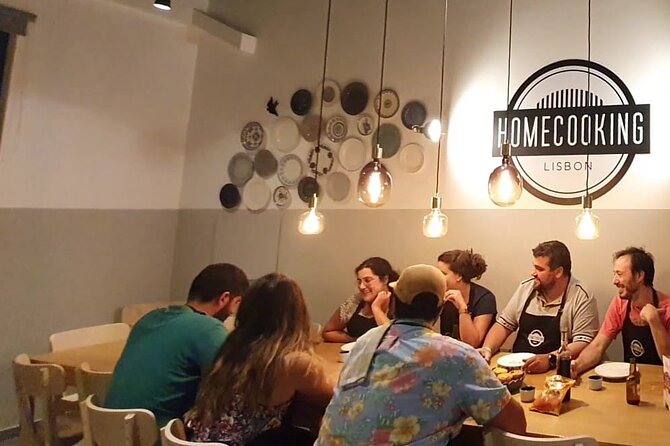
Homecooking Lisbon holds the class at R. Aliança Operária 54, in the Alcântara area between central Lisbon and Belém. The class is offered in English, usually has no more than 16 people, and costs $66.51 per person. That price is fair if you value instruction, drinks, snacks, and the chance to take home some of what you make, but less appealing if you only want a quick pastry tasting.
In This Review
- Key details at a glance
- Why making pastel de nata is worth two hours
- Arriving in Alcântara near LX Factory
- Meeting the instructor and setting up
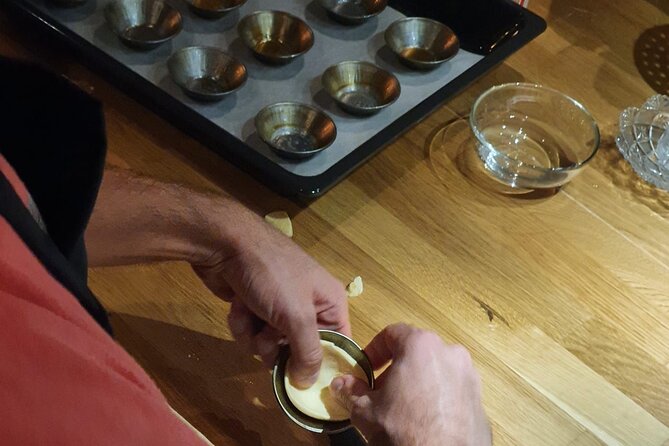
- Making the pastry shell from scratch
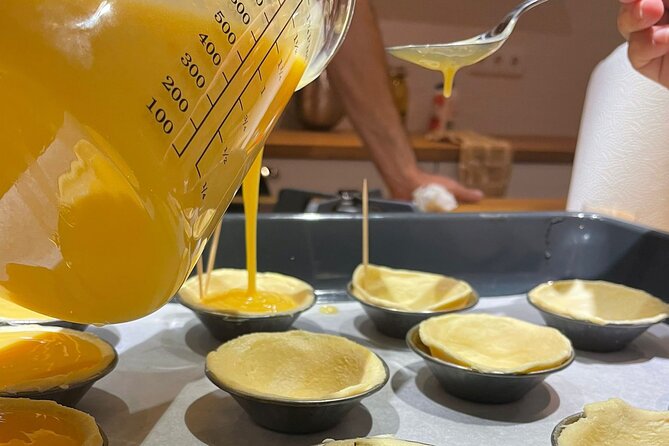
- Preparing the egg custard filling
- Eating them hot with coffee and Portuguese drinks
- The social side of this Lisbon cooking class
- Is $66.51 a good value?
- Who should book this experience?
- Booking, timing, and cancellation advice
- Should you book the pastel de nata class?
- FAQ
- Where does the pastel de nata class take place?
- How long does the class last?
- Is the class offered in English?
- How many people can join the class?
- Do I make the pastry from scratch?
- What drinks are included?
- Can children join the class?
- What is the cancellation policy?
Key details at a glance
- You make the entire pastry: The class covers the flaky dough and egg custard filling, not just decorating ready-made tarts.
- Fresh from the oven tasting: You eat the pastel de nata while it is hot, with coffee or tea and a tasting of Porto wine.
- A social two-hour activity: Baking takes about an hour, with the remaining time used for eating, chatting, and waiting for the pastry to cook.
- Friendly for beginners: Instructors such as Beatriz, Rita, Pedro, and Miguel have helped first-time bakers with patient, step-by-step guidance.
- A useful Lisbon location: The venue is near public transportation and close to the LX Factory area, making it easy to pair with other sightseeing.
- Good for pairs and families: Couples, food lovers, groups of friends, and children old enough to follow instructions can all take part.
Why making pastel de nata is worth two hours
Pastel de nata is one of Portugal’s signature pastries, but it is easy to underestimate. In a bakery display, it looks simple: a small pastry shell filled with yellow custard. Making one well requires more care.
You need to shape the puff pastry so it bakes into a crisp, layered cup. The filling must be smooth, sweet, and firm enough to hold its shape without becoming heavy. The high heat of the oven gives the top its familiar browned spots. This class lets you see those steps rather than treating the pastry as a mysterious finished product.
I like that the lesson includes the pastry shell and filling. Some short cooking activities focus on one easy part and leave the rest prepared in advance. Here, you work from scratch, which gives you a better chance of repeating the recipe at home.
You should not expect to match the famous Pastéis de Belém pastry factory on your first attempt. That is part of the fun. The goal is not professional perfection. It is to understand the method, produce something delicious, and return home with a recipe you can try again.
More Pastel de Nata Workshops in Lisbon
- Lisbon: Pastel de Nata Baking Class
★ 4.9 · 2,106 reviews - Pastel de Nata Masterclass at a Real Bakery in Downtown Lisbon
★ 5.0 · 491 reviews - Lisbon: 2-Hour Pastel de Nata Cooking Class
★ 4.8 · 461 reviews
Arriving in Alcântara near LX Factory
The meeting point is R. Aliança Operária 54, 1300-049 Lisboa, Portugal. The location is in a residential part of Lisbon, between the central Baixa district and Belém, and it is near public transportation. One class participant found the entrance beside a bus stop, which is useful if you prefer buses to taxis or long walks.
This is not a class in the middle of the old town, so plan your route before setting out. The location works well as part of an Alcântara or Belém day, especially if you are already visiting the LX Factory area. It is also a pleasant way to finish a day of sightseeing, particularly for a late session. One evening class began at 9 PM and was described as a good way to wind down after Lisbon’s hills.
The activity begins and ends at the same address. That makes the logistics simple, but you should allow enough time to find the building. Confirmation arrives at booking unless you reserve within 12 hours of the start, when confirmation is sent as soon as possible and depends on availability.
Meeting the instructor and setting up
The class is taught in English, and the instructors use a practical, step-by-step approach. Beatriz has been praised for combining baking advice with stories about the pastry’s origins and cultural role. Rita was described as clear and thorough, while Pedro and Miguel received praise for being patient and offering hands-on help.
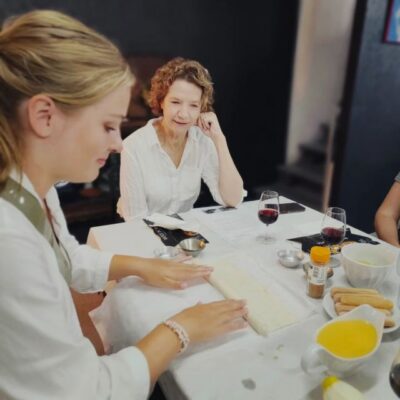
The instructor normally explains the recipe to the whole group, then moves around the workstations to help with technique. This matters because pastry work can be hard to judge from a demonstration alone. You may need someone to tell you if the dough is rolled correctly or if the filling has the right consistency.
The kitchen has been described as clean, comfortable, well equipped, and well organized. The group limit is 16 people, though some sessions are smaller. A group of seven, for example, had enough room to work in pairs. Smaller groups are better if you want more direct help, but even a full class should still give you an active role rather than leaving you to watch from the side.
You do not need baking experience. The instructions are designed for beginners, and families have brought children who were able to follow along. The class is hands-on, but it is also low pressure. Mistakes are part of the process, and the finished pastry tends to taste better than its appearance might suggest.
Making the pastry shell from scratch
The first major task is preparing the puff pastry. This is the part that gives the pastel de nata its crisp, flaky base. You will work through the dough-making process and learn how it is shaped into the small pastry tins.
The class is useful here because the instructor can correct small technique problems as they happen. Rolling, shaping, and fitting dough into the tins are not difficult in theory, but small errors can affect the final texture. Personal feedback is more useful than simply taking home a printed recipe.
The pastry is portioned into individual shells, then prepared to hold the custard. Some participants have made about 10 tarts during the session and received boxes for taking them home. The exact number may vary by group and class conditions, so do not treat 10 as a guaranteed quantity, but you can reasonably expect to make your own batch.
The work takes about an hour. You will not spend the entire two hours kneading and shaping, which is worth knowing if you want a nonstop workshop. The pace includes instruction, preparation, oven time, and conversation.
More pastry workshops:
- Pasteis de Nata Baking Class from Lisbon
★ 5.0 · 248 reviews - Porto: Pastel de Nata Cooking Class with Grandma’s Recipe
★ 5.0 · 1,565 reviews - Porto: Pastel de Nata Pastry-Making Workshop
★ 4.9 · 1,542 reviews - Porto: Pastel de Nata Cooking Class with Port Wine – Sé
★ 4.8 · 888 reviews
Preparing the egg custard filling
Next comes the custard. This filling is the heart of the pastel de nata, and the instructor explains how to prepare it for baking. The recipe is simple enough for a beginner to follow, but the lesson gives you a clearer sense of how the ingredients work together.
The best part of learning the filling in person is seeing the texture you are aiming for. Written recipes can say smooth or thick, but those words mean more when you have watched an instructor demonstrate the mixture and checked your own work beside it.
This is also where the class adds cultural context. Beatriz, in particular, has been praised for explaining the beginnings and significance of the pastry while teaching the recipe. The story gives the food more meaning without turning the session into a lecture.
Once the shells and custard are ready, the tarts go into the oven. Fresh pastry takes time, and the class uses that pause well. You can chat with the other people in the room, ask final questions, or simply enjoy the relaxed pace.
Eating them hot with coffee and Portuguese drinks
The reward comes when the pastel de nata leaves the oven. You should be careful with the first bite because the pastry can be piping hot. The fresh texture is the point: crisp pastry, warm custard, and a stronger sense of flavor than you get from a tart that has been sitting in a display case.
The tasting includes coffee or tea, plus water and other drinks. Depending on your age and the session, you may also have Porto wine, beer, orange juice, or almond liqueur. Alcohol is not served to anyone under 18, and nonalcoholic choices such as water, juice, or tea are available instead.
Snacks and beverages are included in the experience price. That helps the value, especially for an evening class or a session placed between sightseeing stops. You are not simply paying to watch a demonstration. You receive instruction, ingredients, use of the kitchen, freshly baked pastries, and a small social tasting.
One especially useful touch is the option to take pastries home in provided boxes. Some sessions have also offered small baking tins for sale, so you can repeat the recipe in your own kitchen. The tins are not listed as part of the included package, so consider them an optional extra rather than something to count on.
The social side of this Lisbon cooking class
This is as much a social activity as a technical one. Pairs often share a workstation, and the relaxed oven time gives you a chance to meet people from other countries. Several people have found it a good activity for couples, friends, and families.
I would choose this class if you want an easy way to connect with other people without committing to a full-day food tour. You work together, eat together, and have a natural subject for conversation. The pastries provide a common goal, even if nobody in the room has much baking skill.
The tone depends partly on the instructor. Most teaching has been described as friendly, patient, and fun, but one session felt more serious and could have used more humor. That is a fair caution. A pastry class is partly about personality, and different instructors may create slightly different moods.
The class also works for older children and tweens, according to the experience details. Younger participants may need help with hot equipment and certain preparation steps, but the instructions are clear enough for children who can follow directions.
Is $66.51 a good value?
At $66.51 per person, this is not the cheapest way to eat pastel de nata in Lisbon. You can buy a pastry and coffee for a small fraction of that price. If your only goal is to taste the dessert, visit a bakery instead.
The value changes if you want an activity. For the fee, you get about two hours of instruction, ingredients, a full hands-on recipe, drinks, snacks, a tasting, and the pastries you make. You also leave with practical knowledge that can be used at home. The included Porto wine or other drinks add to the social feel, though they may matter less to families or anyone who does not drink alcohol.
I consider the price reasonable for couples and food-focused visitors who want more than a standard sightseeing stop. It is also a good rainy-day option, though no weather advantage is promised by the provider. For a large family, the total cost can rise quickly, so compare it with other Lisbon activities before booking.
The 95 percent recommendation rate and 4.8 rating from 485 reviews suggest consistently strong satisfaction. Still, those numbers cannot guarantee that every instructor or group will feel identical. The clearest strengths are the friendly teaching, the clean kitchen, the beginner-friendly method, and the pleasure of eating the pastry fresh.
Who should book this experience?
I would recommend it most strongly to:
- Couples who want a shared activity with something tasty at the end
- Food lovers who want to understand a Portuguese classic
- First-time bakers who prefer personal help over a recipe video
- Families with children old enough to follow kitchen instructions
- Visitors spending time near Alcântara, LX Factory, or Belém
- Anyone looking for a relaxed evening activity after sightseeing
You may want to skip it if you dislike group activities, already bake pastel de nata confidently, or want a tightly packed class with no social time. The recipe work takes roughly an hour, and the rest of the session includes baking, eating, and conversation.
Wear something comfortable for kitchen work and arrive ready to eat. The class provides the practical materials, and the small group format means you should have a chance to participate. If you are hoping to bring home baking equipment, ask about the optional pastry tins during the session.
Booking, timing, and cancellation advice
The class is offered in English and accepts mobile tickets. It is often booked about 21 days ahead, so reserve early if you need a particular date or time, especially during a busy Lisbon visit.
Free cancellation is available if you cancel at least 24 hours before the start time. Changes or cancellations made inside that window are not accepted for a refund. If the minimum number of participants is not reached and the class is canceled, you are offered another date or experience, or a full refund.
Should you book the pastel de nata class?
Book it if you want to eat Lisbon’s most famous pastry and learn why its flaky shell and custard filling take some care. The strongest reasons are the clear instruction, the chance to make the whole pastry yourself, and the fresh tasting with coffee, tea, and Portuguese drinks.
I would treat it as a food activity rather than a serious professional baking course. You will spend part of the two hours chatting while the pastries bake, and the class mood can vary by instructor. For most couples, families, and curious food lovers, that relaxed pace is a benefit. You get a local recipe, a pleasant memory, and a box of pastries that may impress your friends at home, even if Pastéis de Belém remains safely ahead of your first batch.
FAQ
Where does the pastel de nata class take place?
The class starts and ends at R. Aliança Operária 54, 1300-049 Lisboa, Portugal, in Lisbon’s Alcântara area.
How long does the class last?
The experience lasts approximately two hours.
Is the class offered in English?
Yes. The class is offered in English.
How many people can join the class?
The activity has a maximum group size of 16 people.
Do I make the pastry from scratch?
Yes. The class includes making both the puff pastry and the egg custard filling from scratch.
What drinks are included?
Water, coffee, tea, snacks, and alcoholic drinks are included. Depending on the session, drinks may include Porto wine, beer, orange juice, or almond liqueur.
Can children join the class?
The experience can be enjoyed by adults and tweens. Alcohol is not served to participants under 18, who can have water, juice, or tea instead.
What is the cancellation policy?
You can cancel for a full refund up to 24 hours before the experience start time. Cancellations or changes made less than 24 hours before the start are not refunded or accepted.
Just added around Lisbon
- Central Lisbon E-Bike Tour★ 5.0 · 168 reviews
- From Lisbon: Sintra and Cascais Full-Day Private Tour★ 4.9 · 168 reviews
- Experience the Queen of Fado at Ah Amália Living Experience★ 5.0 · 171 reviews
- Lisbon: 2-Hour Sunset Sailing Tour on Luxury Sailing Yacht★ 4.9 · 171 reviews
- Lisbon – Vinho Verde Wine Premium Boat Experience★ 5.0 · 171 reviews
- Óbidos: Medieval Tales & Secrets Spots Guided Walking Tour★ 4.9 · 171 reviews
- From Lisbon: Small Group Fátima & Little Shepherds Town Tour★ 4.8 · 171 reviews
- Horse Riding on the Beach★ 4.5 · 171 reviews
Workshops, compared.

Pastel de Nata Cooking Class with Grandma’s Recipe
Read our review →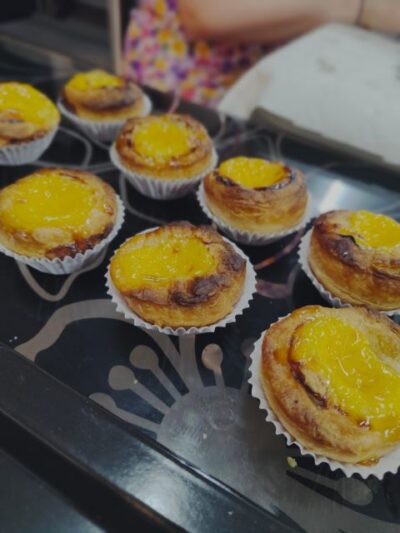
Pastel de Nata Cooking Class with Port Wine – Sé
Read our review →


Browse the lists this tour appears in