
Reviewed · WORKSHOPS
Porto center- Workshop “A nata do BJ” making pasteis de nata
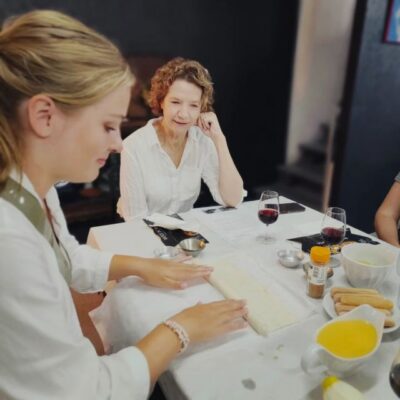
Pastry making rarely feels this personal. In central Porto, Virginia welcomes a maximum of six people into a typical home for a two-hour pastel de nata workshop, where you make the famous Portuguese custard tart from start to finish. I like the small group, which gives you room to ask questions, and I like the relaxed home setting, complete with Portuguese music, local products, and a garden break with Port wine.
The main point to consider is language: instruction is offered in French or Portuguese, not English. This experience also cannot accommodate children under six or people with reduced mobility, so check that the format fits your group before booking.
In This Review
- Key details that make this workshop special
- Arriving at CASA BJ in central Porto
- Making the pastry from start to finish
- The cooking time becomes a Portuguese aperitif
- Ending in Virginia’s garden
- Why the six-person limit matters
- Language and the pace of instruction
- Is $41 a fair price?
- How the workshop fits into a Porto visit
- Who will enjoy this most
- The strongest part of the experience
- Should you book the pastel de nata workshop?
- FAQ
- Where does the pastel de nata workshop take place?
- How long does the activity last?
- How much does the workshop cost?
- What languages does the instructor speak?
- What is included in the price?
- How many people can join the workshop?
- Can children under six or people with reduced mobility attend?
Key details that make this workshop special
- A family recipe in central Porto: You learn the method behind one of Portugal’s best-known pastries in a real home rather than a large demonstration kitchen.
- Only six participants: The small group keeps the lesson friendly and gives Virginia time to help each person with the recipe.
- More than a baking class: Coffee, water, juice, Port wine, local food, and Portuguese music fill the pastry’s cooking time.
- A useful lesson for beginners: You complete the pasteis de nata from beginning to end, with techniques and family tips intended to help you repeat the recipe at home.
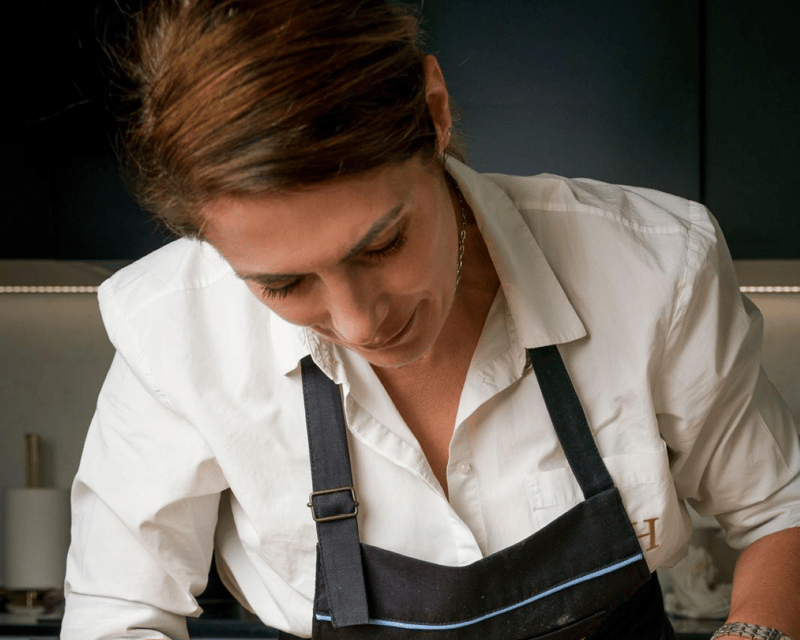
- Virginia is the heart of the experience: Her warm, attentive hosting is praised again and again, with many people describing the atmosphere as similar to visiting a friend.
- A two-hour Porto activity for $41: The fee covers utensils, drinks, food elements tied to the workshop, and insurance, making it a reasonable choice if you want a hands-on activity rather than another short tasting.
Arriving at CASA BJ in central Porto
The meeting point is easy to identify if you know what to look for. Find the building with BJ written above the door, ring the bell for the second floor, and go to Apartment E.
This is not a formal culinary school with rows of workstations and a polished commercial feel. The setting is a typical and friendly home in the center of Porto. That matters because the experience is built around conversation and shared time, not just a list of baking steps.
I would allow a few extra minutes to locate the entrance, especially if you are not familiar with Porto’s apartment buildings. The instructions are specific, but the building itself is still easier to find when you are not rushing.
Once inside, Virginia is your host and instructor. She speaks French and Portuguese, and her welcoming manner is one of the strongest reasons this activity works so well. If you speak one of those languages, you should find it easy to follow the lesson and ask for help.
More Pastel de Nata Workshops in Porto
- Porto: Pastel de Nata Cooking Class with Grandma’s Recipe
★ 5.0 · 1,565 reviews - Porto: Pastel de Nata Pastry-Making Workshop
★ 4.9 · 1,542 reviews - Porto: Pastel de Nata Cooking Class with Port Wine – Sé
★ 4.8 · 888 reviews
Making the pastry from start to finish
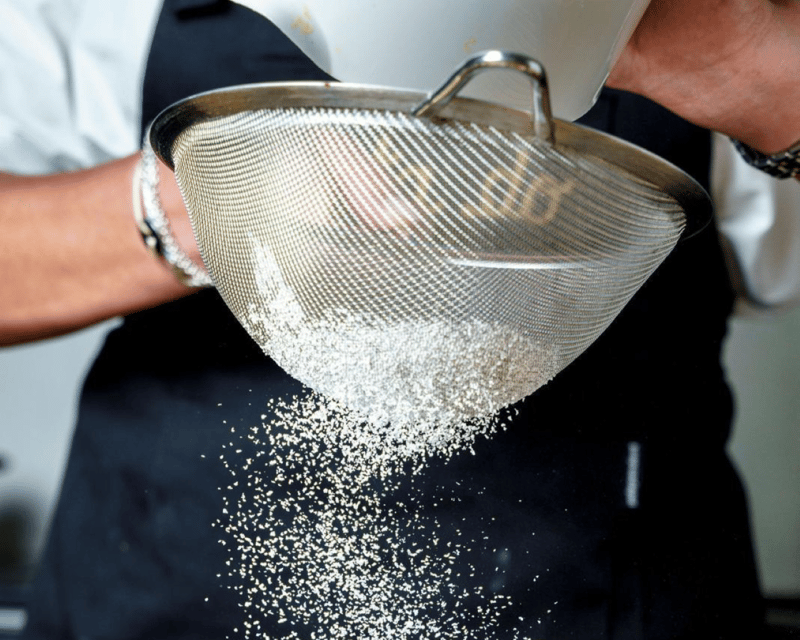
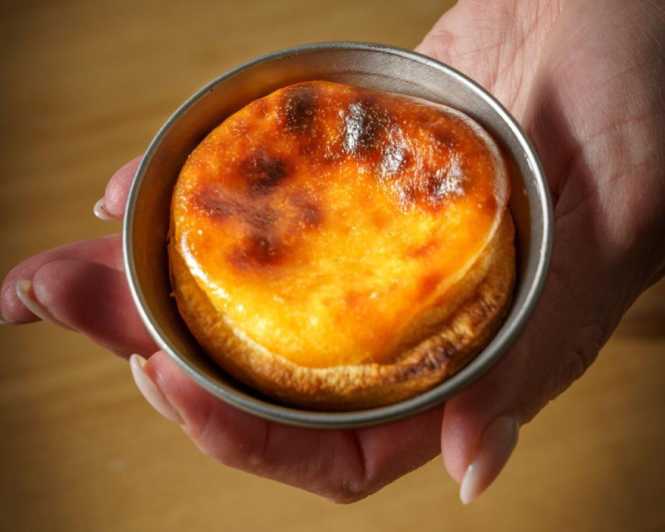
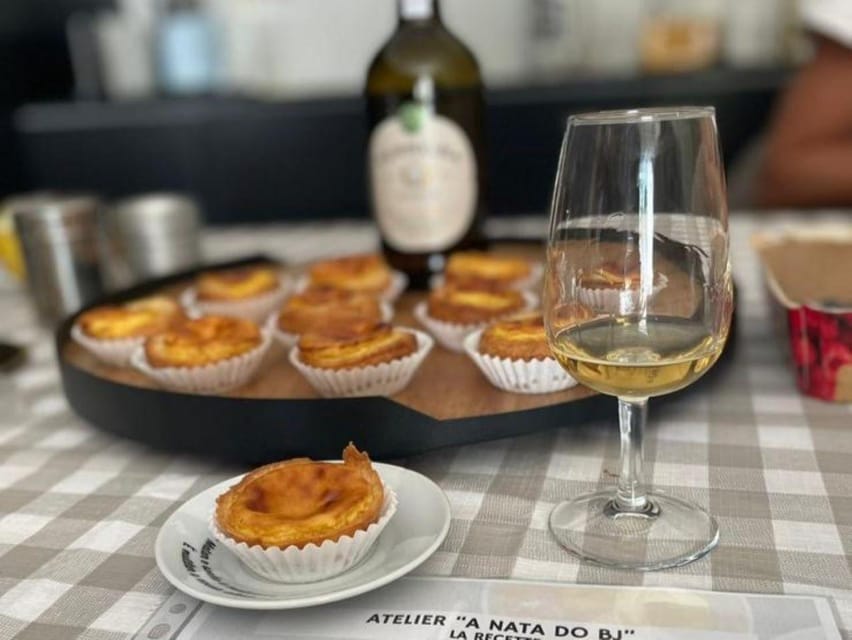
The workshop centers on the classic Portuguese pastel de nata, a small custard tart with crisp pastry and a soft, sweet filling. You are not simply watching Virginia prepare one while you stand nearby. You take part in the recipe from beginning to end, using the utensils provided.
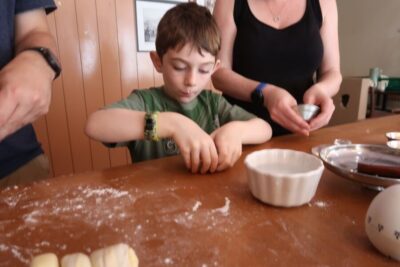
That hands-on approach is especially useful if you have little or no baking experience. The lesson is designed to be accessible to beginners, and Virginia explains the process in a way that keeps it relaxed rather than technical or intimidating.
The real value is in the small practical advice. The recipe comes from Virginia’s family, and the session includes tips intended to help you make the tarts successfully at home. You leave with more than a pleasant memory of eating a pastry in Porto. You also have a method you can try again in your own kitchen.
I like this kind of food activity because it gives you context without turning into a lecture. You learn why the pastry matters to Portuguese food culture by working with it yourself. There is also a nice difference between tasting a pastel de nata from a bakery counter and shaping, filling, and waiting for your own batch to cook.
The cooking time becomes a Portuguese aperitif
While the pasteis de nata are in the oven, the pace changes. This is when Virginia serves beverages and creates a social pause around the cooking.
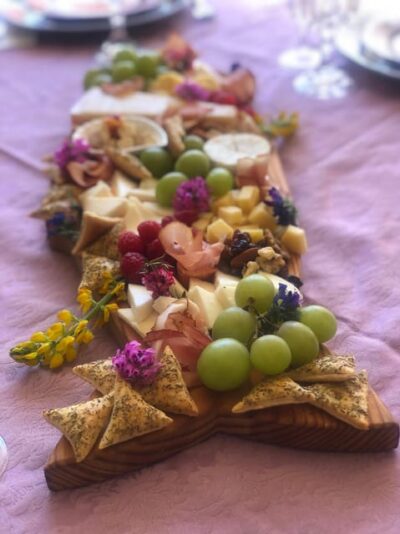
The included choices are coffee, water, juice, and Port wine. You may also enjoy traditional Portuguese products as part of the food served during this break. Several people have described the mid-workshop food as a brunch or aperitif, which is useful to know if you are considering booking in the morning.
One practical tip is clear: do not eat a large breakfast first. The pastries and accompanying food can make this feel like a light meal, not just a quick dessert lesson. If you book an early session, arriving hungry is sensible.
Portuguese music adds to the mood while you wait. This is not dead time in the schedule. The pause gives you a chance to talk with the other participants, enjoy a drink, and let the workshop feel social rather than rushed.
The Port wine is a particularly fitting touch. Port is closely linked with northern Portugal, so having a glass alongside a pastry you have just made gives the activity a clear local character. You can choose Port, a hot drink, a cold drink, or a combination, depending on what suits you.
Ending in Virginia’s garden
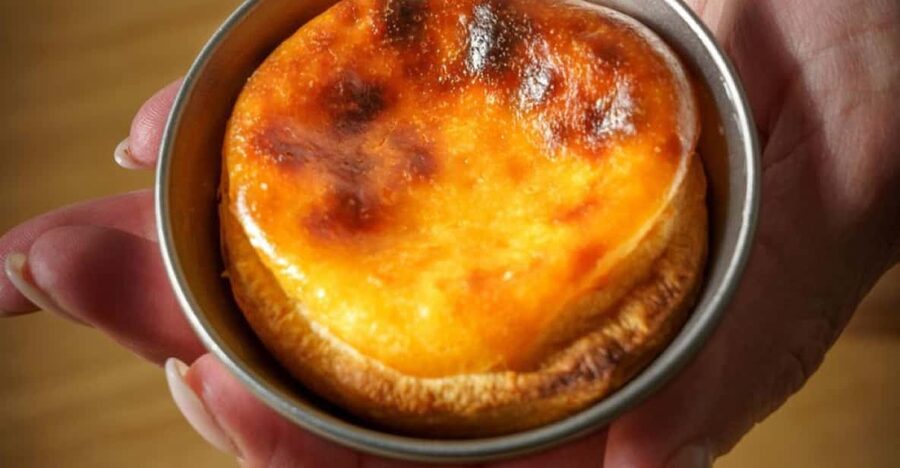
At the end of the workshop, you enjoy your pastel de nata in Virginia’s garden with Port wine or another beverage. The garden gives the final part of the session a change of pace from the kitchen and adds to the feeling that you have been invited into someone’s home.
That home-based setting is the main difference between this activity and a standard food tour. You are not moving from one shop to another, and you are not trying to keep up with a large crowd. You spend two hours in one place, making food, talking, and eating it fresh.
The format also works in different weather because the activity takes place indoors, with the garden available as part of the experience when conditions allow. One important limit is mobility. The provider states that the workshop cannot host people with reduced mobility, so you should contact the provider before booking if stairs or the apartment setting could be a concern.
More pastry workshops:
- Workshops Pasteis de Nata in Porto, Portugal
★ 4.9 · 520 reviews - Porto: Pastel de Nata Cooking Class from Scratch
★ 4.9 · 468 reviews - Pastel de Nata | Workshop from scratch | Porto’s city center
★ 5.0 · 449 reviews - Porto: Pastel de Nata Cooking Class with Porto Wine (Sé do Porto)
★ 5.0 · 340 reviews
Why the six-person limit matters
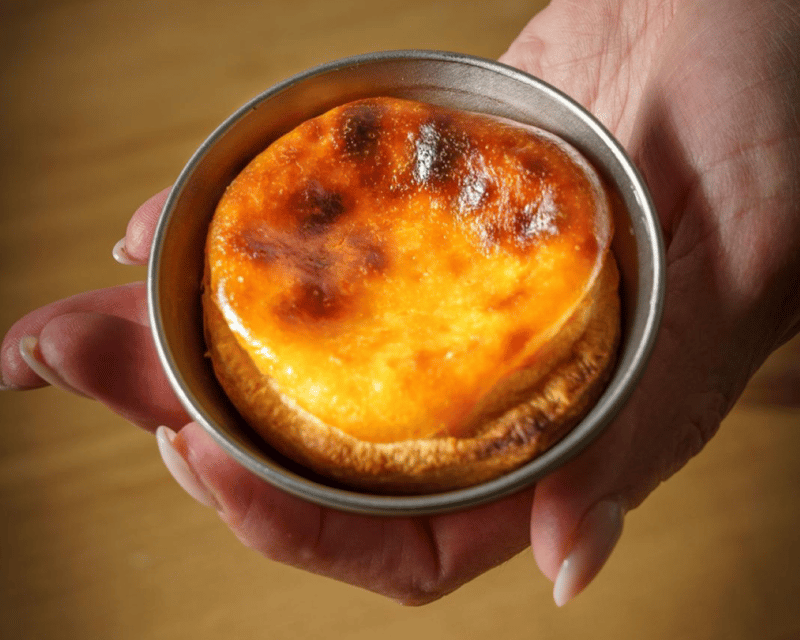
A maximum of six participants is a real advantage here. Baking requires individual attention, particularly when you are learning pastry techniques for the first time. In a bigger class, you might spend much of the session watching someone else work or waiting for access to the equipment.
With six people, the atmosphere can stay informal. Virginia can pay attention to each person, and the group has a better chance to talk naturally. That helps explain why the activity suits couples, families with older children, and small groups of friends.
The age restriction is specific: children under six cannot be hosted. Older children and teenagers can enjoy the hands-on side, provided they can follow instruction in French or Portuguese. The activity has worked well for family groups with teenagers and young adults, but language remains the key factor.
I would choose this for a group that wants to spend time together, not for someone looking for a fast demonstration. It is also a good fit if you enjoy meeting a local host and prefer a personal activity over a large commercial tour.
Language and the pace of instruction
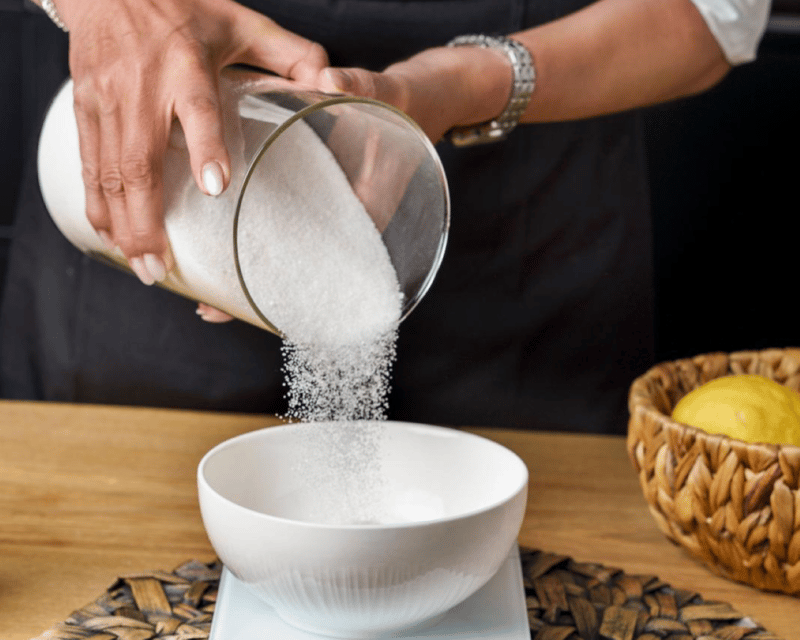
The workshop is available in French or Portuguese. That is excellent for French-speaking visitors, since Virginia speaks French very well, but it is a serious consideration for English-speaking visitors.
If you do not speak either language, you may find the practical nature of the class easier to follow than a history talk, but the provided information does not promise English instruction. I would not book this expecting an English-language lesson.
The small group may help with demonstrations and visual cues, but it does not remove the language issue. You need enough French or Portuguese to understand the recipe and safety instructions. This is one of the few drawbacks in an otherwise very approachable activity.
Is $41 a fair price?
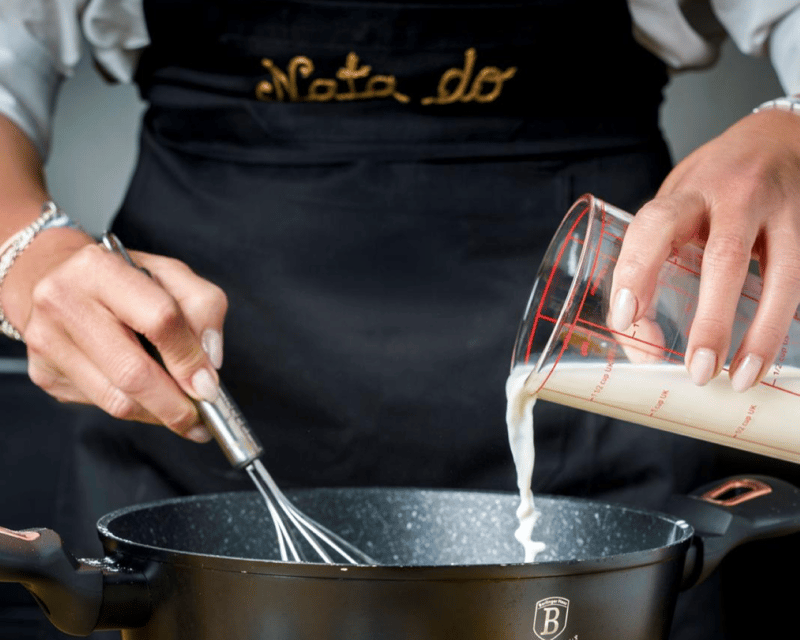
At $41 per person, the workshop is not the cheapest way to eat a pastel de nata in Porto. You can buy one for very little at a bakery. But that comparison misses what you are paying for.
The price includes two hours of instruction, utensils, beverages, insurance, the ingredients used in the cooking session, and the food served during the break. You also receive personal help from Virginia and a family recipe with practical techniques. The value is in the time and participation, not in the number of pastries alone.
I think the price is fair for visitors who want a social food experience. It becomes especially good value if you would otherwise pay for a separate breakfast or aperitif, since the workshop includes coffee, juice, water, Port wine, and local products.
It is less compelling if you only want to sample the pastry or if you already bake confidently and prefer a more advanced class. This is a warm, beginner-friendly session, not a professional pastry course.
How the workshop fits into a Porto visit
The central location makes this easy to pair with sightseeing. You can schedule it between visits to Porto’s main sights, or use it as a gentler change from churches, viewpoints, and cobbled streets.
The two-hour length is long enough to feel worthwhile without taking over an entire day. I would consider a morning booking if you like a substantial breakfast or brunch. An afternoon session may suit you better if you want to start with sightseeing and use the class as a slower food-focused break.
Because the group is limited to six, I would reserve ahead if your dates are fixed. The booking terms allow free cancellation up to 24 hours before the activity for a full refund, and you can reserve now and pay later. Those terms are helpful when your Porto schedule is still shifting.
The exact starting times depend on availability, so check the schedule before building the rest of your day around it.
Who will enjoy this most
I would recommend the class to:
- Couples looking for a relaxed activity with food and conversation
- Families with children over six who understand French or Portuguese
- Friends who want a shared experience in central Porto
- Beginner bakers who want a recipe they can repeat at home
- French-speaking visitors who value clear personal instruction
- Anyone who would rather meet a local host than join a large group
I would be more cautious if you need English instruction, have reduced mobility, or want a formal advanced pastry lesson. The provider also cannot host children under six, so families with toddlers will need another plan.
The strongest part of the experience
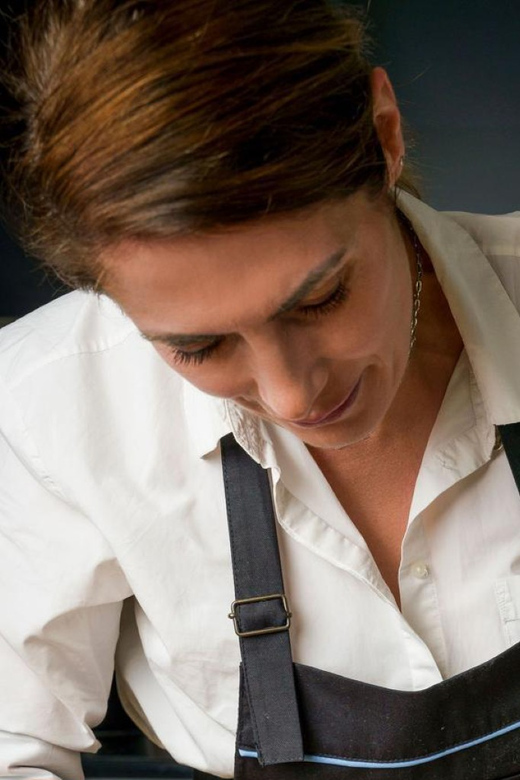
The pastry is the reason you book, but Virginia is the reason the activity stays memorable. Her attentive hosting shapes the whole session. She helps each person, keeps the mood light, and makes the class feel more like time in a friend’s home than a scheduled tourist product.
The best moments come from the combination of simple things: working with good local ingredients, sharing a drink while the tarts cook, listening to Portuguese music, and eating the result in the garden. None of these elements is complicated, but together they give the workshop a clear sense of place.
I also appreciate that the activity does not pretend to be something grand. It is a small food lesson, a social gathering, and a taste of Portuguese hospitality. That modest scale is its strength.
Should you book the pastel de nata workshop?
Book it if you want to make a classic Portuguese pastry, enjoy a small group, and spend time with a warm local host. The $41 price makes sense when you count the instruction, drinks, local food, utensils, and the relaxed two-hour setting.
I would especially choose it for a couple, a small family with older children, or friends who enjoy food activities. Before booking, confirm that you can follow French or Portuguese instruction and that the apartment setting works for your mobility needs.
If those points fit, CASA BJ offers one of the more personal ways to connect with Porto’s food culture. You will eat a pastel de nata, of course, but you will also learn how to make one, which is the part you can carry home.
FAQ
Where does the pastel de nata workshop take place?
It takes place at CASA BJ in the center of Porto. Look for BJ above the building door, ring the bell for the second floor, and go to Apartment E.
How long does the activity last?
The workshop lasts two hours. Starting times depend on availability.
How much does the workshop cost?
The listed price is $41 per person.
What languages does the instructor speak?
The workshop is conducted in French or Portuguese. Virginia speaks both languages.
What is included in the price?
Utensils, beverages, and insurance are included. Beverages include coffee, water, juice, and Port wine.
How many people can join the workshop?
The activity is a small group experience limited to six participants.
Can children under six or people with reduced mobility attend?
No. The provider cannot host children under six or people with reduced mobility.
Just added around Porto
- From Arouca: Paiva River Canoe Rafting Adventure Tour★ 5.0 · 46 reviews
- Jewish Walking Tour of Porto★ 4.5 · 46 reviews
- Porto Private Gourmet Food & Wine Historic Tour with a Sommelière★ 5.0 · 46 reviews
- Santiago and Valença do Minho Full Day Private Tour★ 5.0 · 47 reviews
- Porto: Aveiro with cruise, Costa Nova, Capelha do Senhor da Pedra★ 4.5 · 47 reviews
- Best of Porto Guided Tour: Cruise & Wine Tasting★ 4.5 · 47 reviews
- Water Canyoning★ 5.0 · 47 reviews
- Cruise Shore Excursion – Private Tuk Tuk Tour to the Historic Center★ 4.5 · 47 reviews
Workshops, compared.
Pastel de Nata Cooking Class with Grandma’s Recipe
Read our review →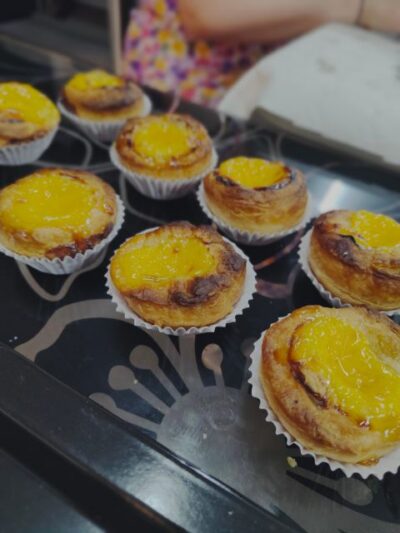
Pastel de Nata Cooking Class with Port Wine – Sé
Read our review →

Browse the lists this tour appears in